
MINGLIFT MINGLIFT
Maintenance Tips for Hydraulic Excavators
Maintenance 2024-01-05

Maintenance Tips for Hydraulic Excavators

Maintenance Tips for Hydraulic Excavators

Proper maintenance is essential for maximizing the lifespan and performance of your hydraulic excavator. A well-maintained machine delivers consistent power, precise control, and reliable operation for thousands of hours. Conversely, neglected maintenance leads to costly breakdowns, reduced productivity, and shortened equipment life.

Daily Maintenance Checklist

Perform these checks at the start of each shift:

Visual Inspection

  • Track tension: Check for proper track tension—too tight causes excessive wear, too loose leads to de-tracking
  • Hydraulic hoses: Look for leaks, abrasions, bulges, or twisted hoses
  • Bucket and teeth: Inspect for cracks, excessive wear, and missing teeth
  • Fluid levels: Check engine oil, hydraulic oil, coolant, and DEF (if equipped)
  • Air filter restriction indicator: Check if filter replacement is needed
  • Battery condition: Inspect terminals and connections

Operational Checks

  • Swing circle: Listen for unusual noises during swing operation
  • Travel function: Test both tracks for proper movement and steering
  • Hydraulic response: Check for sluggish or jerky cylinder movements
  • Safety devices: Test all alarms, cameras, and shutdown systems

Scheduled Maintenance Intervals

Every 250 Hours (Monthly)

  • Change engine oil and filter (if mineral oil)
  • Replace hydraulic oil filter element
  • Grease all pivot points and linkage
  • Check and adjust track tension
  • Inspect and clean radiator and cooler cores
  • Check refrigerant level for cab air conditioning

Every 500 Hours (Quarterly)

  • Replace fuel filters
  • Sample and analyze hydraulic oil
  • Inspect swing drive oil level and condition
  • Check final drive oil levels
  • Inspect all electrical connections and wiring
  • Test hydraulic cylinder drift rates

Every 1,000 Hours (Semi-Annual)

  • Replace hydraulic oil (full system)
  • Replace swing drive oil
  • Replace final drive oil
  • Replace engine coolant (if specified)
  • Inspect and replace as necessary: bucket pins and bushings, linkage pins
  • Check and adjust valve clearances

Every 2,000 Hours (Annual)

  • Comprehensive hydraulic system inspection
  • Replace all drive belts
  • Overhaul swing circle (inspection and re-greasing)
  • Inspect undercarriage components for wear limits
  • Calibrate hydraulic pressure settings
  • Replace air conditioning receiver/drier

Hydraulic System Care

The hydraulic system is the heart of your excavator. Protect it carefully:

Contamination Prevention

  • Clean before opening: Always clean filler caps and surrounding areas before opening hydraulic system
  • Use correct fluid: Only use hydraulic fluid meeting the manufacturer's specification
  • Filter integrity: Never bypass filters or extend replacement intervals
  • Breather maintenance: Ensure tank breathers are clean and functional

Common Hydraulic Problems and Solutions

| Symptom | Likely Cause | Solution |

|---------|-------------|----------|

| Slow cylinder movement | Clogged filter, low fluid, worn pump | Check filter, fluid level, pump pressure |

| Jerky operation | Air in system, contaminated fluid | Bleed system, check for water contamination |

| Excessive drift | Worn cylinder seals, valve leakage | Inspect and replace seals, check valve spools |

| Overheating | Low fluid, clogged cooler, continuous relief | Check level, clean cooler, find relief cause |

| Unusual noise | Cavitation, aeration, worn components | Check suction line, fluid level, pump condition |

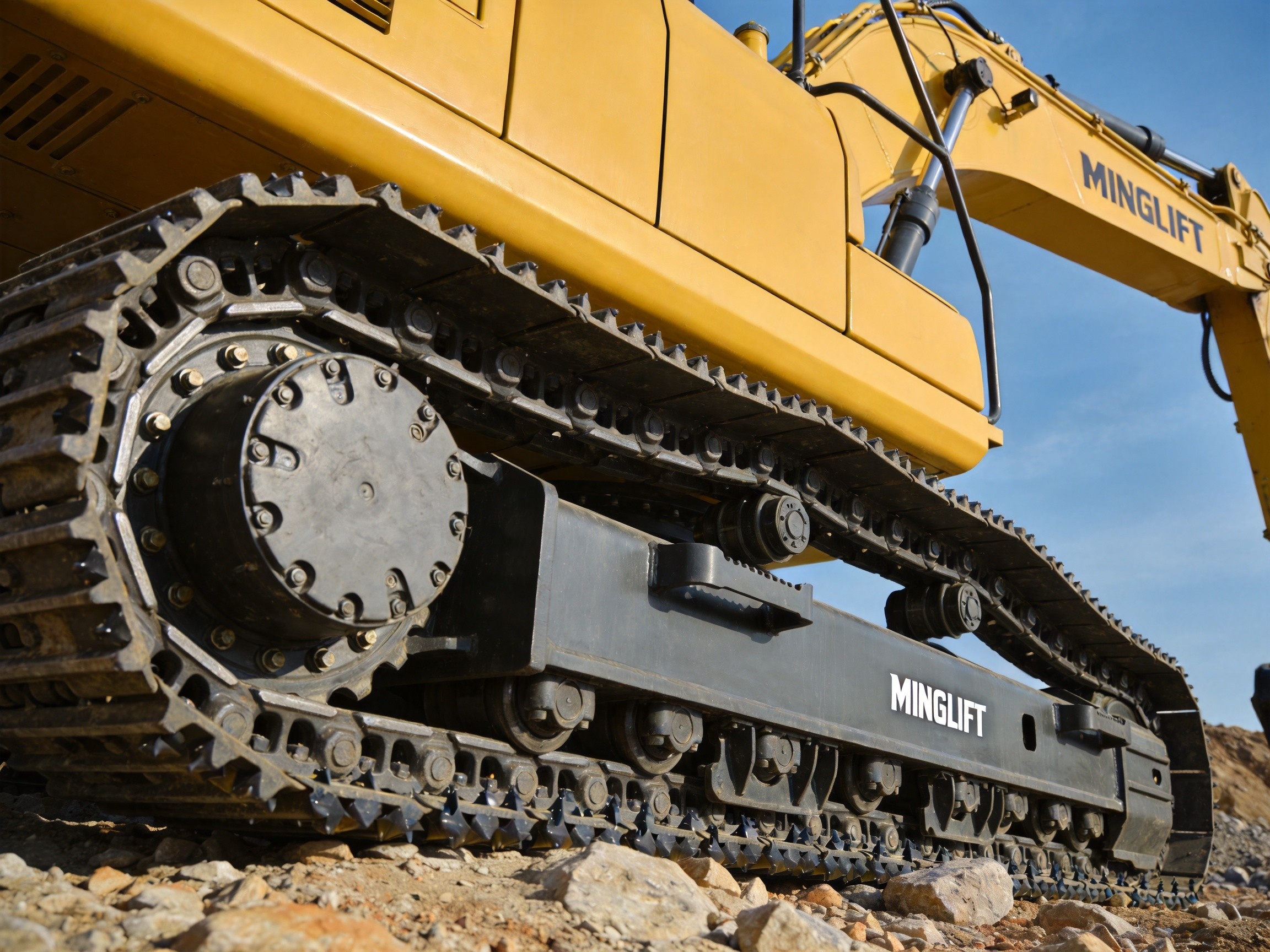
Undercarriage Maintenance

The undercarriage represents 20-30% of total maintenance costs. Proper care extends its life significantly:

  • Track tension: Adjust every 50 hours or as needed—consult operator's manual for specification
  • Track cleaning: Remove packed material daily to prevent excessive weight and wear
  • Roller and idler inspection: Check for oil leaks, flat spots, and excessive play
  • Sprocket wear: Inspect tooth profile; replace when teeth are pointed or hook-shaped
  • Track link inspection: Look for cracked links, loose track bolts, and excessive bushing wear

Storage and Long-Term Preservation

When storing an excavator for extended periods:

1. Clean thoroughly: Remove all dirt, debris, and material buildup

2. Protect cylinders: Coat exposed cylinder rods with grease to prevent corrosion

3. Battery maintenance: Disconnect and maintain charge with a trickle charger

4. Fuel system: Fill tank to prevent condensation; add fuel stabilizer

5. Move monthly: Operate all functions and move the machine to redistribute lubricants

6. Cover if possible: Protect from direct sunlight and precipitation

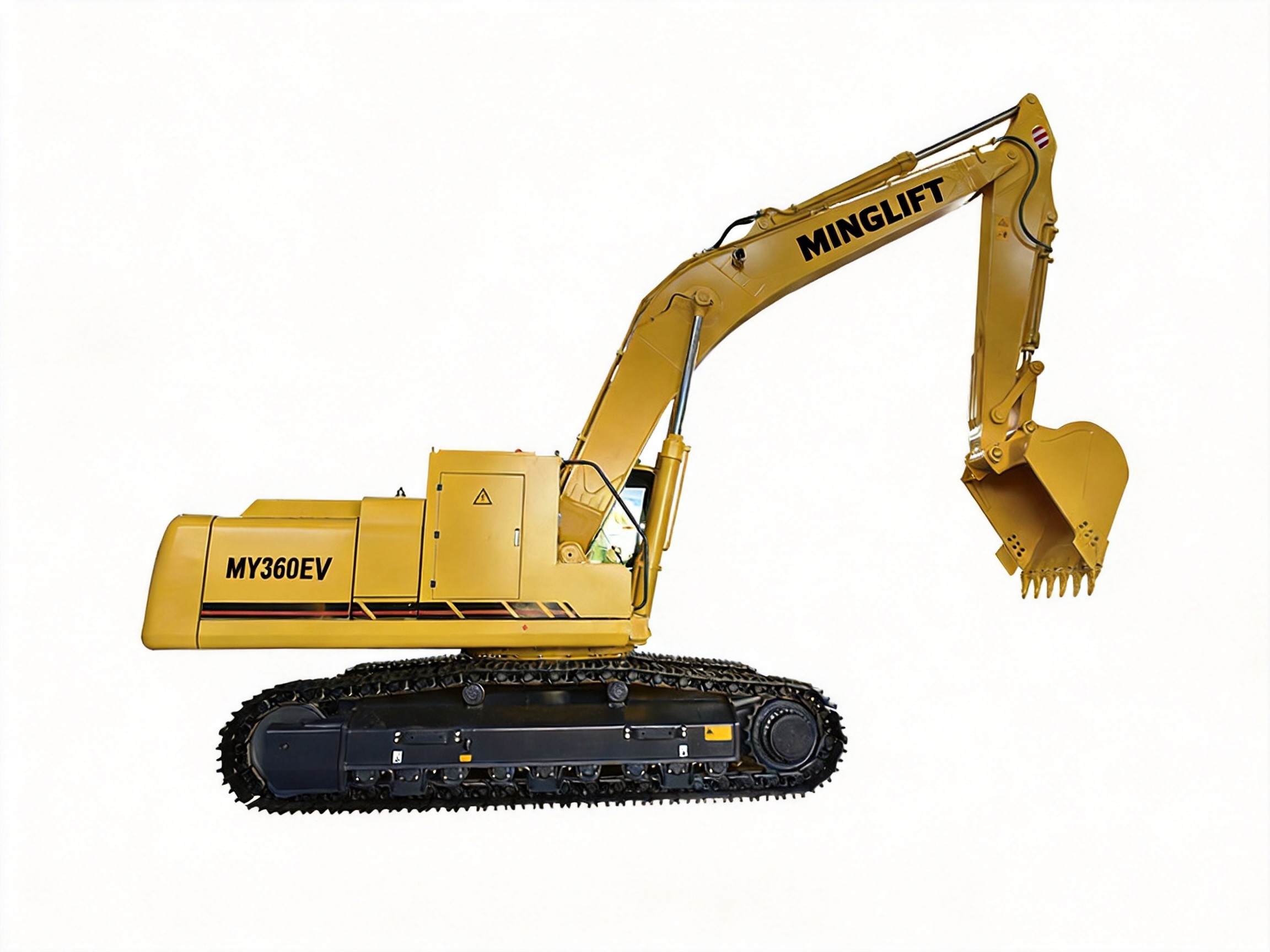
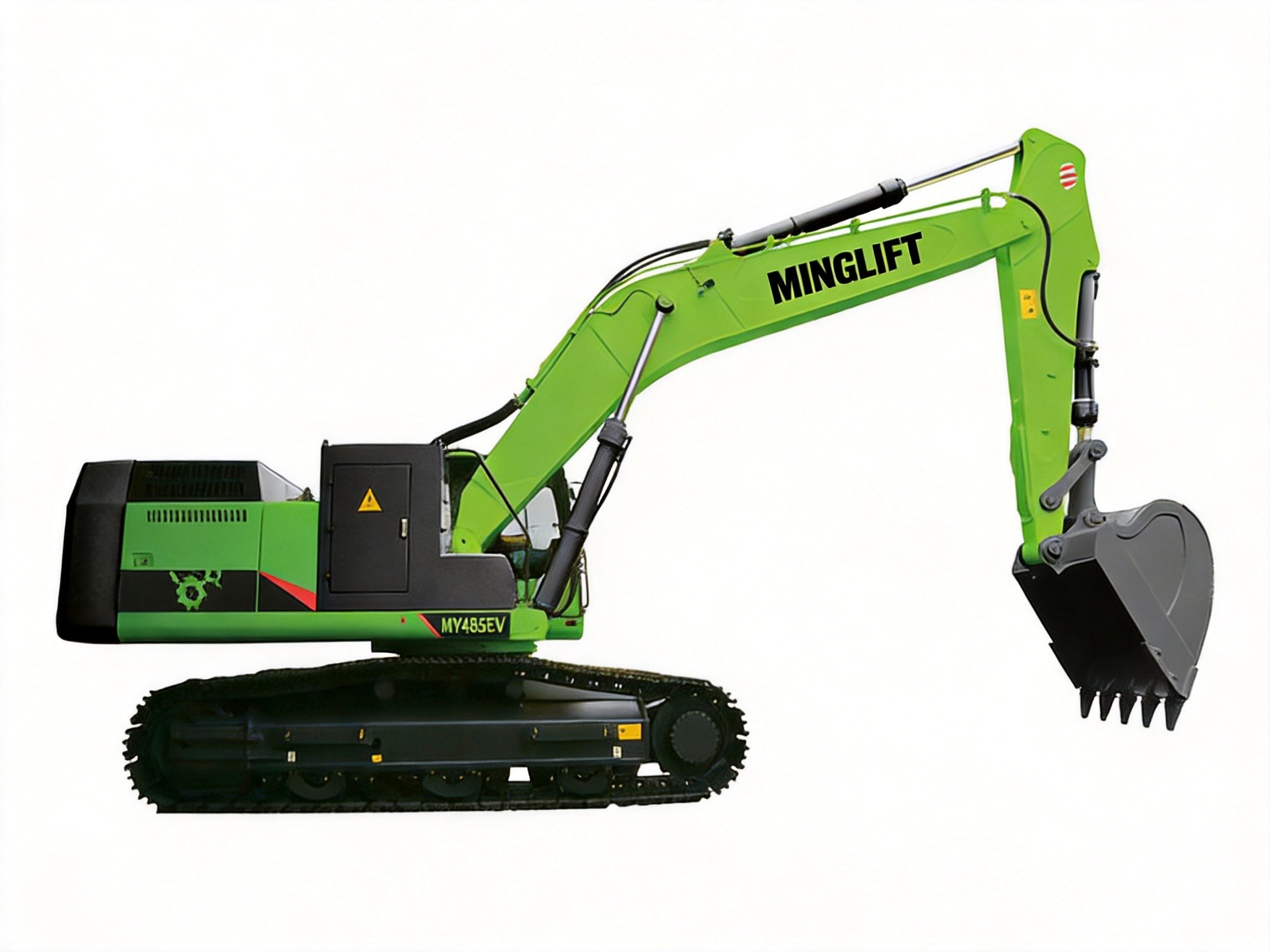
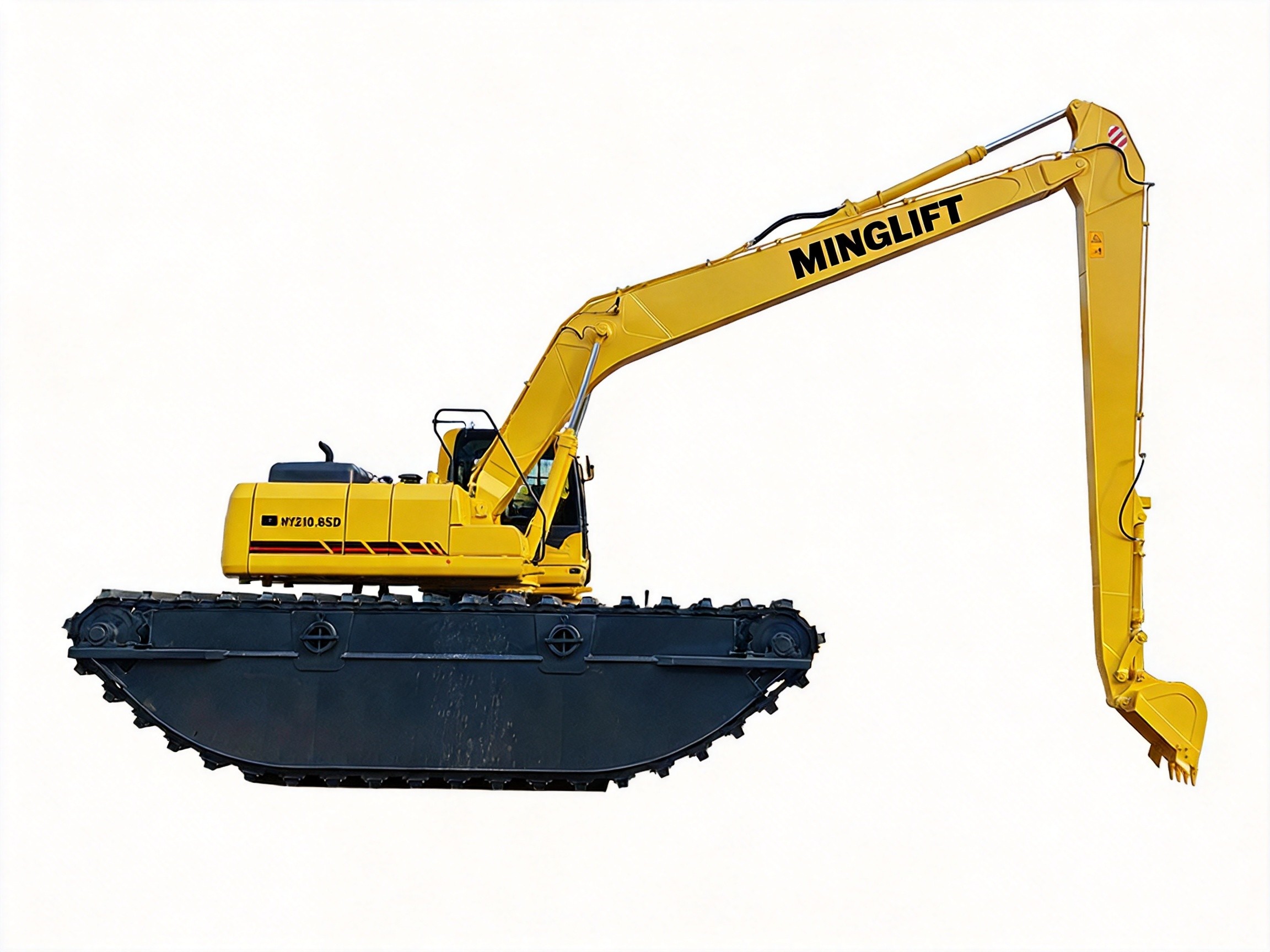
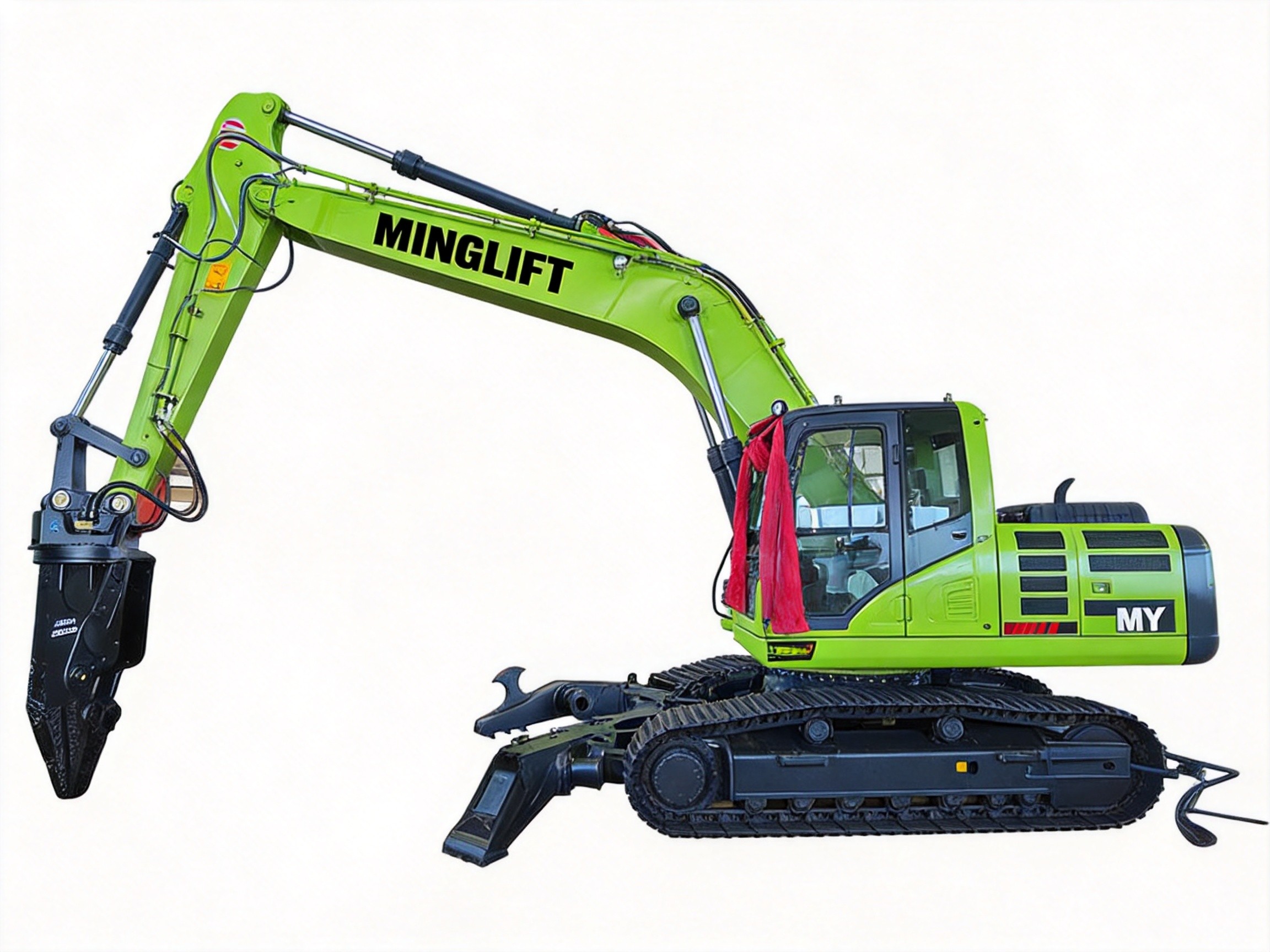
MINGLIFT Support

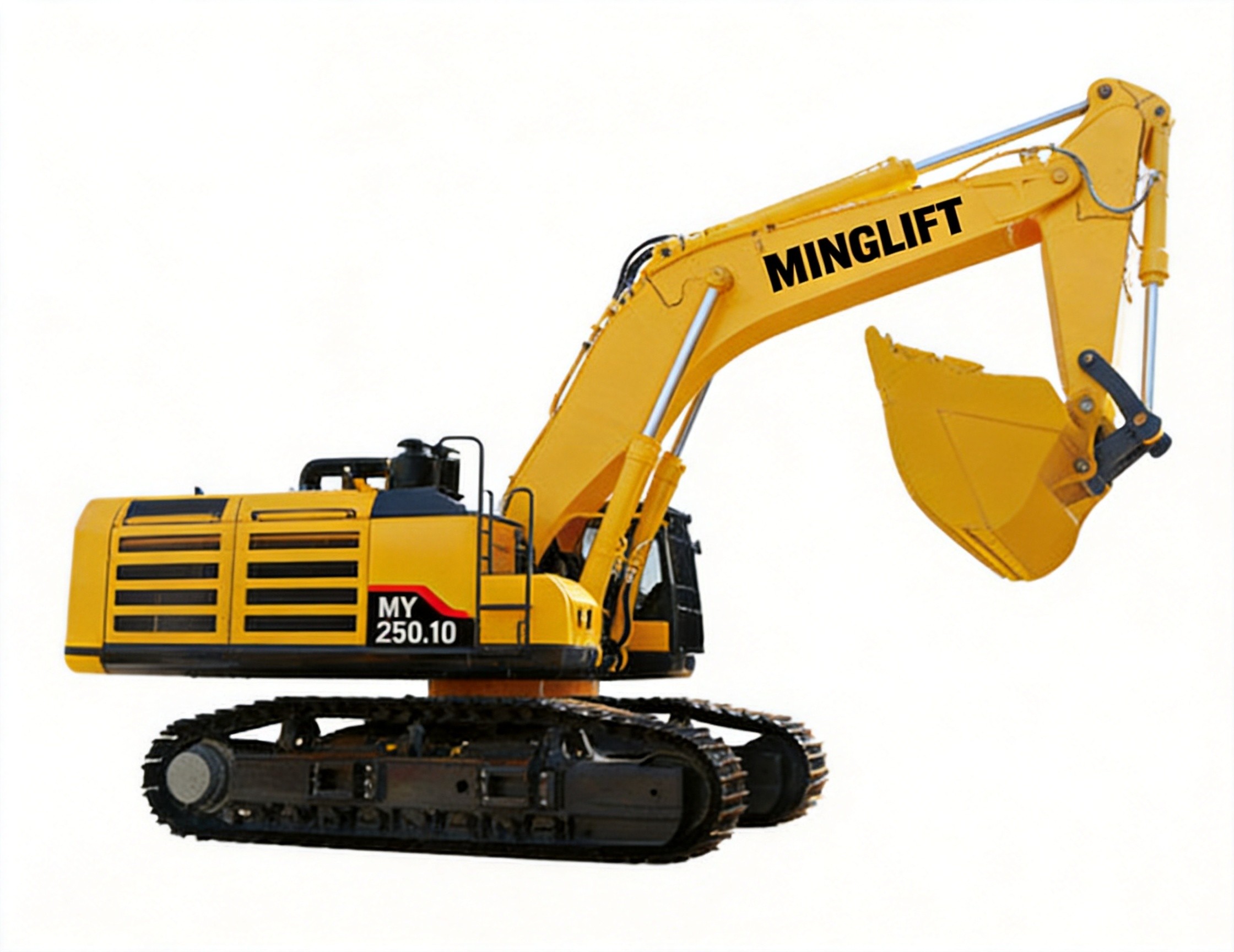
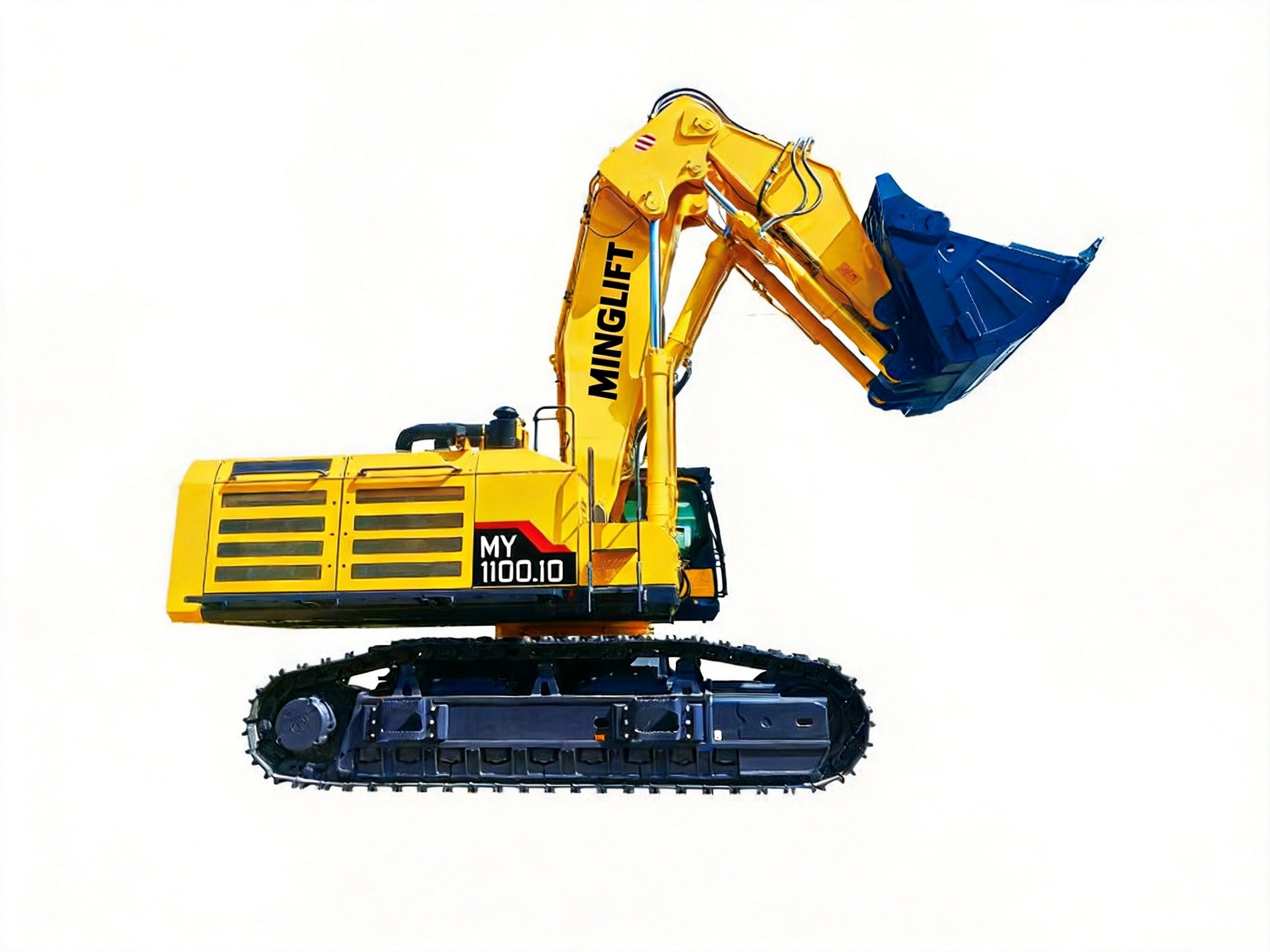
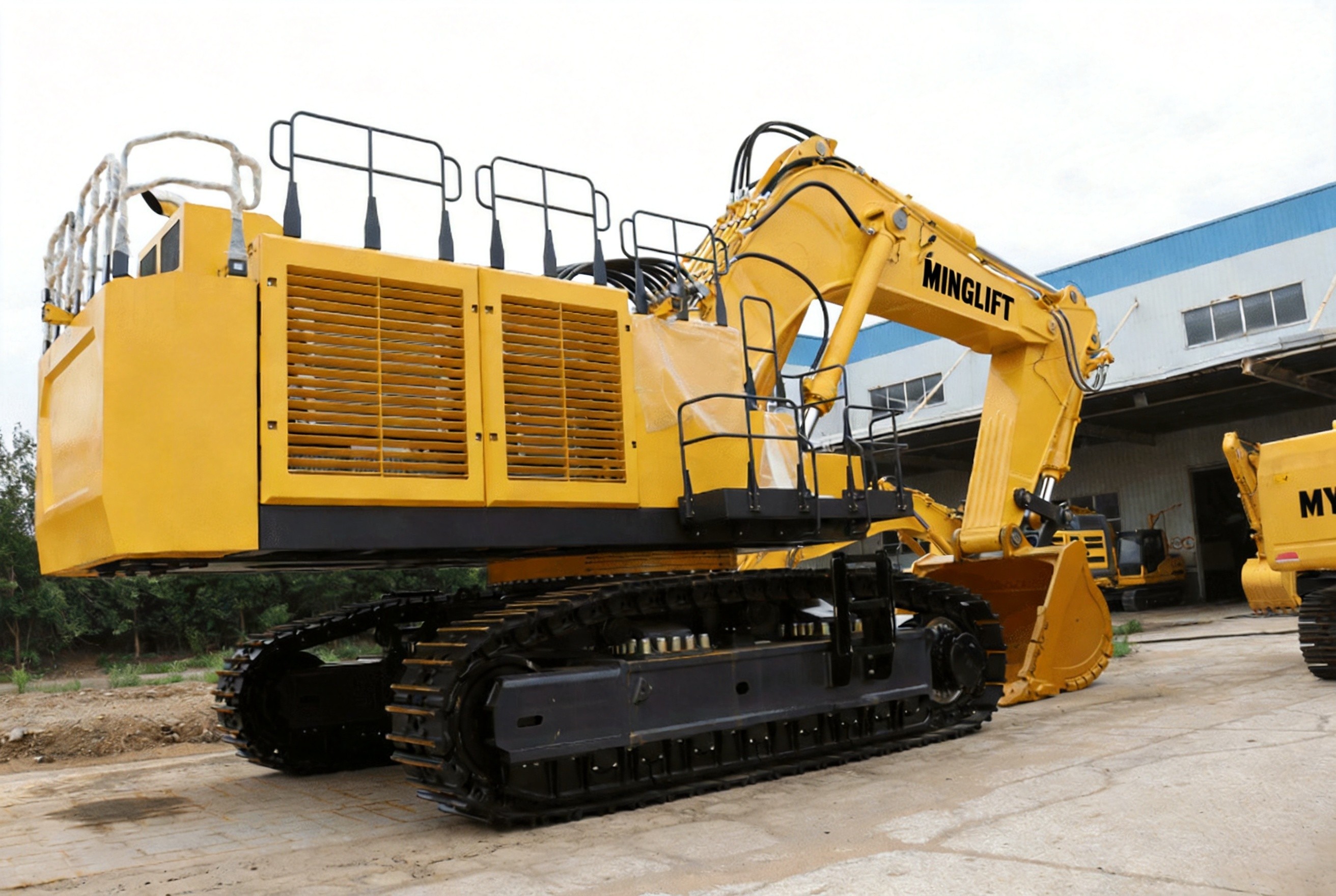
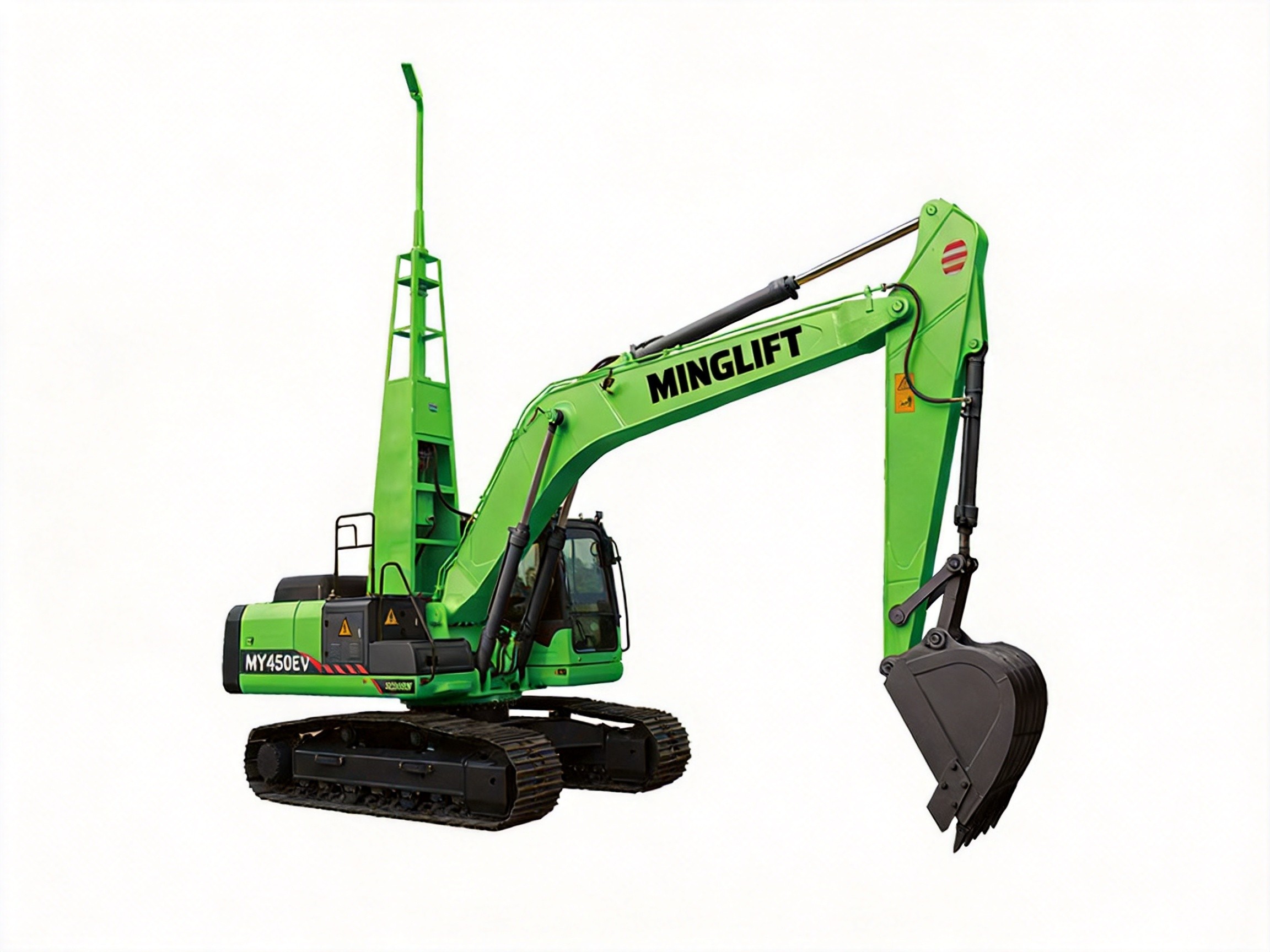
MINGLIFT excavators are designed for ease of maintenance with:

  • Ground-level service points: All daily check points accessible from ground level
  • Long service intervals: Extended intervals reduce maintenance downtime
  • Modular components: Major components designed for efficient replacement
  • Diagnostic systems: Built-in fault codes for rapid troubleshooting
  • Parts availability: Comprehensive parts inventory with rapid delivery

Conclusion

A disciplined maintenance program is the single most important factor in excavator longevity and productivity. By following these guidelines and your machine's specific maintenance schedule, you can maximize uptime, minimize costs, and extend your equipment's productive life well beyond industry averages.

Contact MINGLIFT for maintenance support, genuine parts, and service assistance for your excavator fleet.


Keywords: excavator maintenance, hydraulic excavator care, excavator service intervals, undercarriage maintenance, MINGLIFT maintenance