MINGLIFT MINGLIFT
Cost Comparison: Electric vs Diesel Excavators
Buying Guide 2023-12-15

Cost Comparison: Electric vs Diesel Excavators

Cost Comparison: Electric vs Diesel Excavators

The transition from diesel to electric excavators represents one of the most significant economic decisions facing construction and mining operators today. While the upfront price premium for electric machines remains substantial, the total cost of ownership picture tells a much more nuanced story—one that increasingly favors electrification.

Purchase Price Comparison

Initial Investment

Electric excavators carry a significant purchase price premium:

| Machine Class | Diesel Price (USD) | Electric Price (USD) | Premium |

|--------------|-------------------|---------------------|---------|

| 8-ton class | $80,000-100,000 | $120,000-150,000 | 50-60% |

| 21-ton class | $180,000-220,000 | $280,000-350,000 | 55-65% |

| 36-ton class | $350,000-420,000 | $500,000-600,000 | 45-55% |

| 70+ ton mining | $800,000-1,200,000 | $1,100,000-1,600,000 | 35-40% |

The premium is primarily driven by battery costs, which remain expensive despite declining per-kWh prices. However, the premium is decreasing as battery technology improves and production volumes increase.

Operating Cost Comparison

Energy Costs

This is where electric excavators deliver dramatic savings:

Diesel Excavator (21-ton class, 2,000 hours/year):

  • Fuel consumption: ~15 liters/hour
  • Annual fuel cost: 2,000 × 15 × $1.20/L = $36,000/year

Electric Excavator (21-ton class, 2,000 hours/year):

  • Energy consumption: ~25 kWh/hour
  • Annual electricity cost: 2,000 × 25 × $0.08/kWh = $4,000/year
  • Annual energy savings: $32,000 (89% reduction)

Maintenance Costs

Electric motors have dramatically fewer moving parts than diesel engines:

| Maintenance Item | Diesel | Electric |

|-----------------|--------|----------|

| Engine oil changes | Every 250-500 hrs | Not required |

| Fuel filters | Every 500 hrs | Not required |

| Air filters | Every 500 hrs | Reduced frequency |

| Coolant system | Regular service | Simplified system |

| Exhaust/aftertreatment | Regular service | Not required |

| Drive system | Complex | Simplified |

| **Annual maintenance** | **$8,000-12,000** | **$3,000-5,000** |

Typical annual maintenance savings: $5,000-7,000

Undercarriage and Wear Parts

Electric and diesel excavators share similar undercarriage and wear component costs, as these are application-dependent rather than power-source-dependent. However, electric excavators may show slightly different wear patterns due to:

  • Different weight distribution (battery placement)
  • Regenerative braking effects on track wear
  • Potentially different operating patterns

Total Cost of Ownership Analysis

5-Year TCO Comparison (21-ton class, 2,000 hours/year)

| Cost Category | Diesel | Electric | Difference |

|--------------|--------|----------|------------|

| Purchase price | $200,000 | $315,000 | +$115,000 |

| Energy costs (5 years) | $180,000 | $20,000 | -$160,000 |

| Maintenance (5 years) | $50,000 | $20,000 | -$30,000 |

| Resale value | -$60,000 | -$110,000 | +$50,000 |

| **Total 5-year cost** | **$370,000** | **$245,000** | **-$125,000** |

Over a 5-year ownership period, the electric excavator delivers approximately $125,000 in savings despite its significantly higher purchase price.

Break-Even Analysis

The break-even point depends on utilization:

| Annual Hours | Break-Even Time |

|-------------|----------------|

| 1,000 | ~4.5 years |

| 1,500 | ~3.5 years |

| 2,000 | ~3.0 years |

| 3,000 | ~2.5 years |

| 4,000+ | ~2.0 years |

For high-utilization applications (mining, large infrastructure projects), electric excavators reach cost parity in just 2-3 years.

Additional Economic Factors

Carbon Pricing and Emissions Credits

Many jurisdictions now impose carbon pricing or offer emissions credits:

  • Carbon tax: $25-75/ton CO2 in various markets
  • Emissions credits: Revenue from verified emission reductions
  • Green procurement incentives: Preferential treatment in government contracts

A 21-ton diesel excavator produces approximately 120 tons of CO2 per year. At $50/ton carbon pricing, this represents $6,000/year in carbon costs—additional savings for electric alternatives.

Residual Value Considerations

The residual value equation is evolving:

  • Diesel: Facing increasing regulatory restrictions and potential future bans in urban areas
  • Electric: Growing demand in secondary markets as environmental regulations tighten
  • Battery replacement: Battery replacement at year 5-7 extends machine life at a known cost

Financing Advantages

Electric equipment often qualifies for:

  • Green financing: Lower interest rates for environmentally friendly equipment
  • Government subsidies: Direct purchase subsidies in many markets
  • Tax incentives: Accelerated depreciation and tax credits
  • Lease advantages: Operating lease structures that account for lower operating costs

MINGLIFT Electric Excavator Value Proposition

MINGLIFT offers competitive electric excavator solutions designed to maximize ROI:

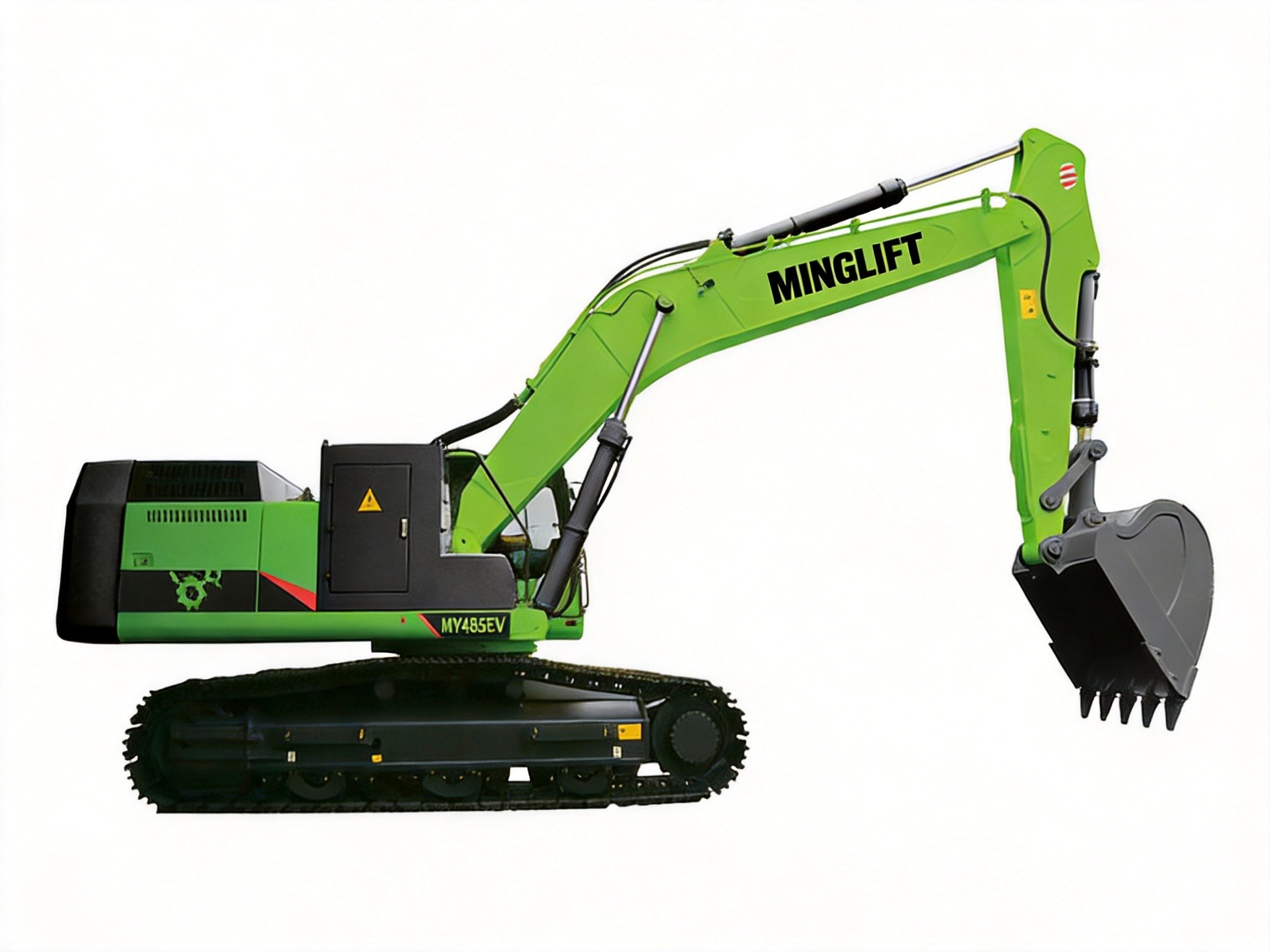
  • MY210EV: 21-ton electric excavator with 200 kWh LFP battery
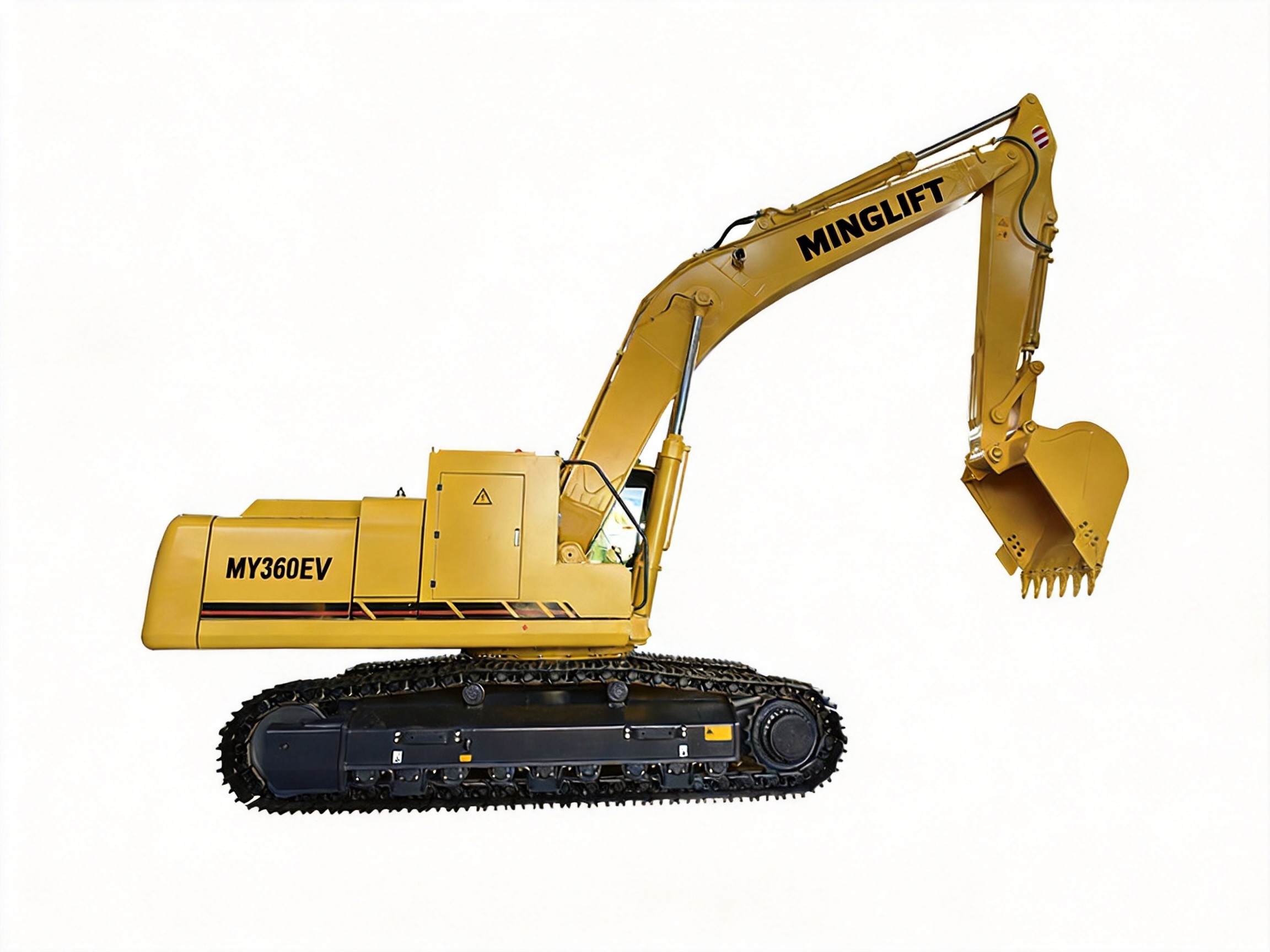
  • MY360EV: 36-ton electric excavator with 400 kWh battery system
  • Flexible financing: Equipment financing programs specifically for electric machines
  • Battery warranty: Industry-leading battery warranty for peace of mind
  • Charging solutions: Complete charging infrastructure consultation and supply

Conclusion

The economic case for electric excavators is no longer theoretical—it is a present reality for many applications. While the upfront investment remains higher, the dramatic reduction in energy and maintenance costs creates compelling total cost of ownership advantages, particularly for high-utilization operations.

The break-even point continues to shorten as battery costs decline, carbon pricing expands, and regulatory pressure on diesel equipment increases. Operators who transition to electric now will gain competitive advantages while building institutional experience with this transformative technology.

Contact MINGLIFT for a detailed TCO analysis specific to your operation and to explore our electric excavator options.


Keywords: electric vs diesel excavator, excavator cost comparison, total cost of ownership excavator, electric excavator ROI, MINGLIFT electric cost