Mining Excavator Technology Advancements
Modern mining excavators are marvels of engineering, incorporating cutting-edge technologies that would have been science fiction just two decades ago. These innovations are fundamentally changing how mining operations achieve productivity, safety, and cost efficiency.
Autonomous and Semi-Autonomous Systems
GPS Machine Guidance
Modern mining excavators integrate high-precision GPS systems that provide:
- Real-time position tracking: Accurate to within 2 centimeters using RTK correction
- Design surface guidance: Operators see exactly where to dig relative to the engineered design
- Volume tracking: Automatic calculation of material moved against design targets
- Collision avoidance: Integration with proximity detection systems for personnel and vehicle safety
Automated Digging Cycles
Advanced control systems now automate repetitive digging motions:
- Auto-dig: The system optimizes boom, arm, and bucket coordination for maximum fill factor
- Auto-swing: Optimized swing speed and dump positioning based on truck location
- Payload management: Real-time weighing during the digging cycle, with load tracking to specific trucks
- Anti-swing control: Electronic dampening reduces load swing for precise spotting
Electrification and Hybrid Systems
Electric Drive Technology
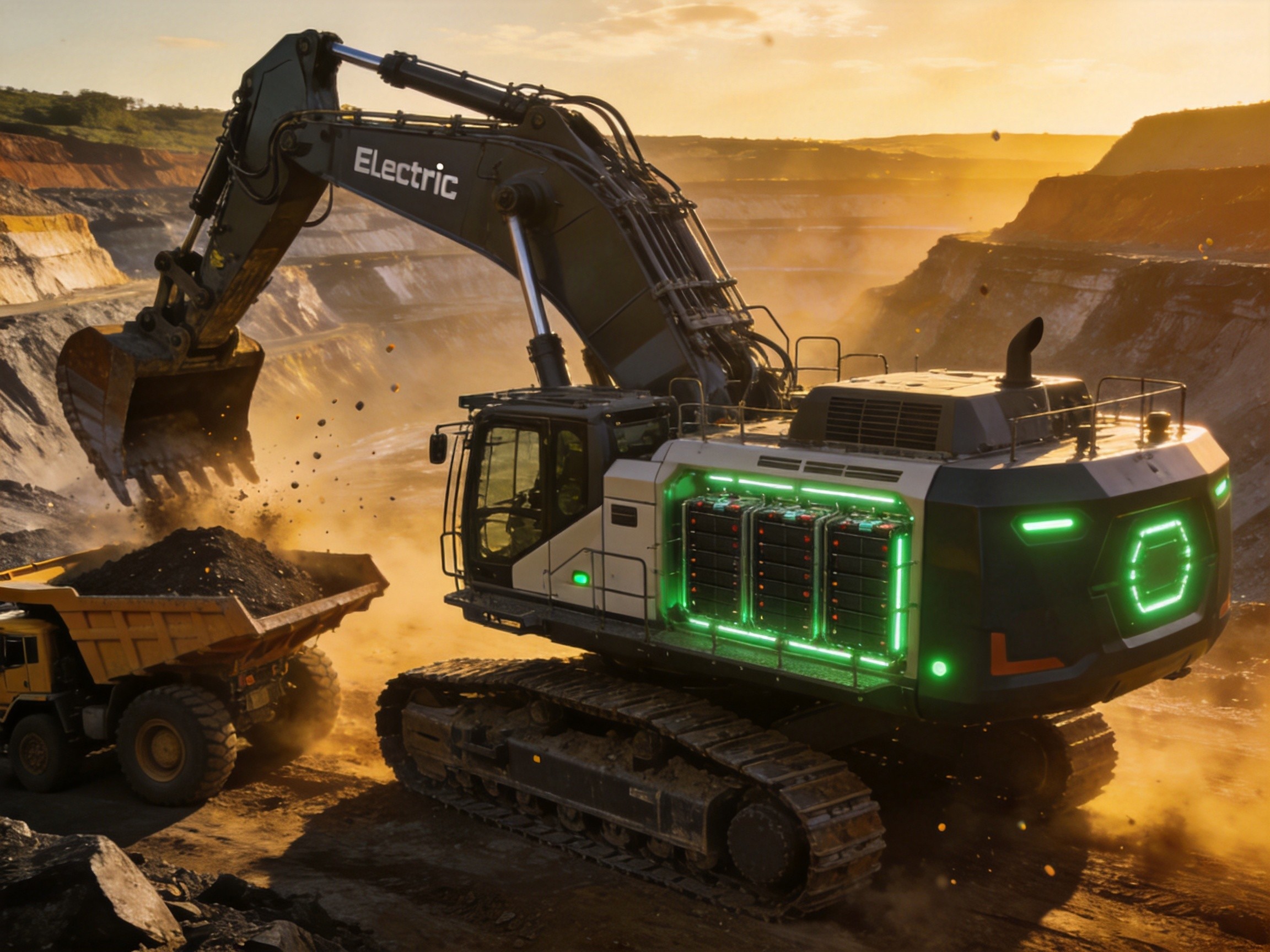
The mining industry is leading the charge toward electrification:
- Trolley-assist systems: Overhead catenary power for uphill hauling, reducing fuel consumption by 40-60%
- Battery-electric excavators: Zero-emission machines for underground and surface mining
- Hybrid systems: Capturing swing and boom energy for reuse in the next cycle
- Regenerative capabilities: Converting potential energy into electrical energy during lowering operations
Energy Management Systems
Modern electric mining excavators feature sophisticated energy management:
- Smart charging optimization: Charges during off-peak electricity rate periods
- Battery health monitoring: Predictive algorithms for battery replacement planning
- Grid integration: Ability to participate in demand response programs for grid stability
- Solar and wind integration: Compatible with renewable energy sources at mine sites
Advanced Monitoring and Telematics
Real-Time Machine Health
Modern telematics systems monitor hundreds of parameters in real-time:
- Hydraulic system health: Pressure, temperature, flow rates, and contamination levels
- Structural monitoring: Stress sensors on boom, arm, and frame identify fatigue risks
- Engine/motor diagnostics: Comprehensive performance tracking with predictive maintenance alerts
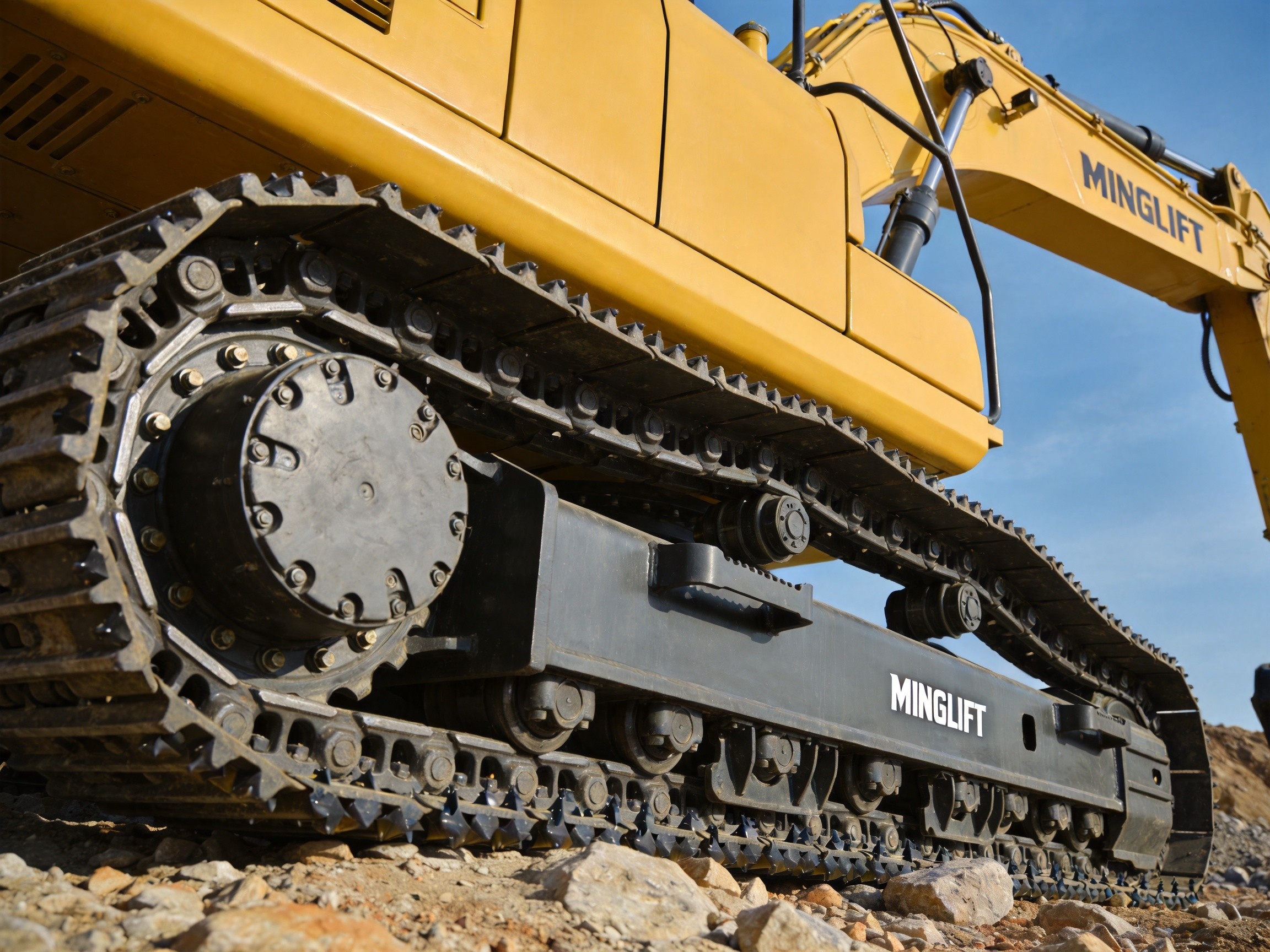
- Undercarriage monitoring: Track tension, roller temperature, and wear measurement
Fleet Management Integration
Mining excavators are now integral nodes in fleet management networks:
- Dispatch optimization: Integration with mine planning systems for optimal truck assignment
- Production tracking: Real-time material movement data against production targets
- Fuel/energy monitoring: Detailed consumption analysis across the fleet
- Shift reporting: Automated generation of production and utilization reports
Safety Technology
Operator Protection
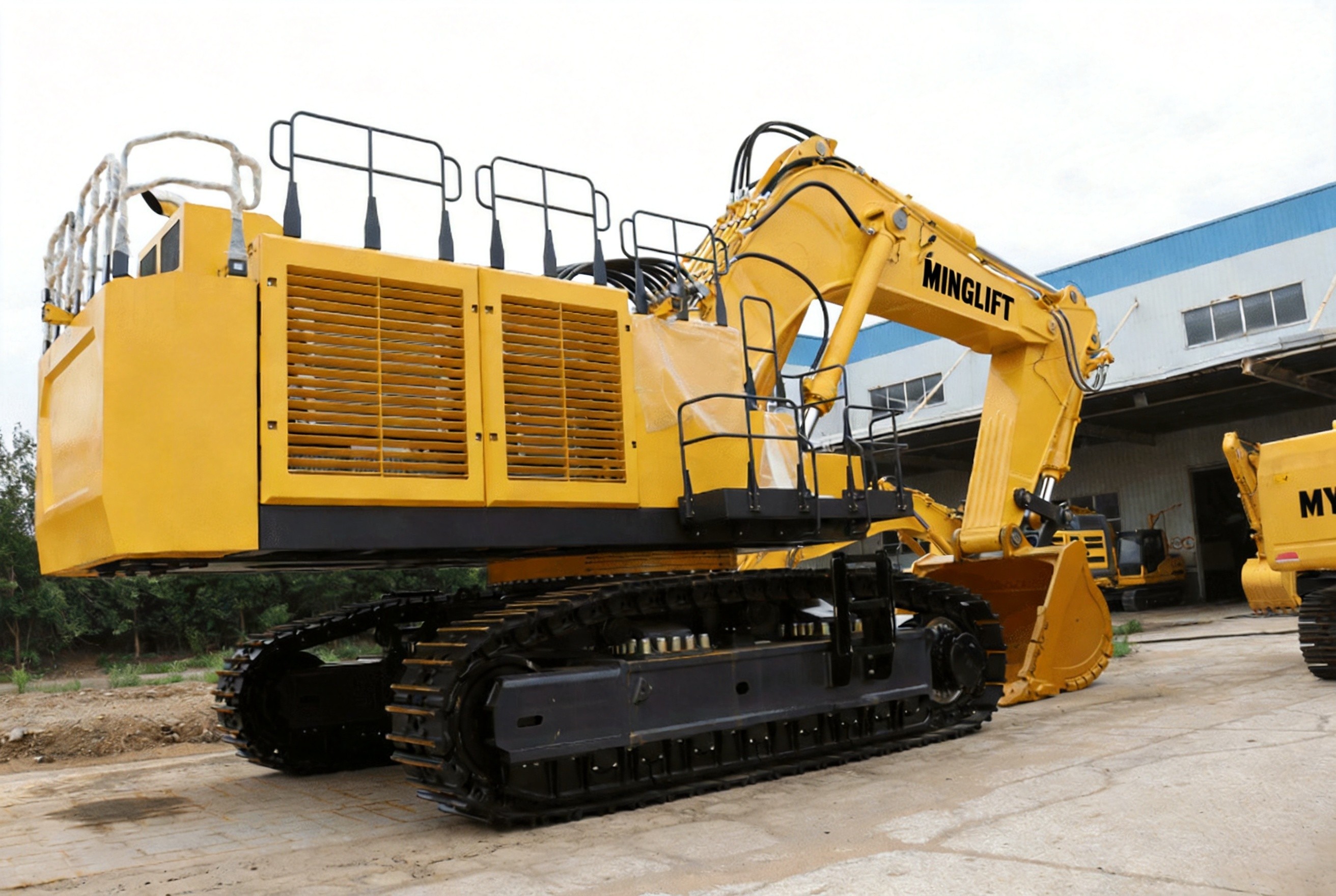
- ROPS/FOPS structures: Reinforced cab designs protecting against roll-over and falling objects
- Pressurized cab systems: Positive pressure filtration keeping dust and contaminants out
- 360-degree camera systems: Complete visibility around the machine
- Proximity detection: Radar and ultrasonic systems detecting personnel and obstacles
- Fatigue monitoring: Camera-based systems tracking operator alertness
Ground Personnel Safety
- Personnel detection: Wearable tags detected by machine-mounted receivers
- Geofencing: Virtual boundaries preventing machines from entering restricted zones
- Haul road integration: Machine awareness of truck positions and haul road conditions
- Emergency stop systems: Remote emergency shutdown capabilities
Future Technologies on the Horizon
Artificial Intelligence Integration
- Predictive maintenance: AI analyzing machine data to predict failures before they occur
- Autonomous operation: Full self-driving excavator systems for repetitive tasks
- Optimization algorithms: AI continuously improving digging patterns for maximum efficiency
- Computer vision: Cameras identifying material types and sorting during excavation
Advanced Materials
- High-strength steels: Lighter, stronger structural components
- Ceramic coatings: Extended wear life for buckets and undercarriage components
- Composite materials: Weight reduction for non-structural components
- Self-healing hydraulics: Seal materials that repair minor damage automatically
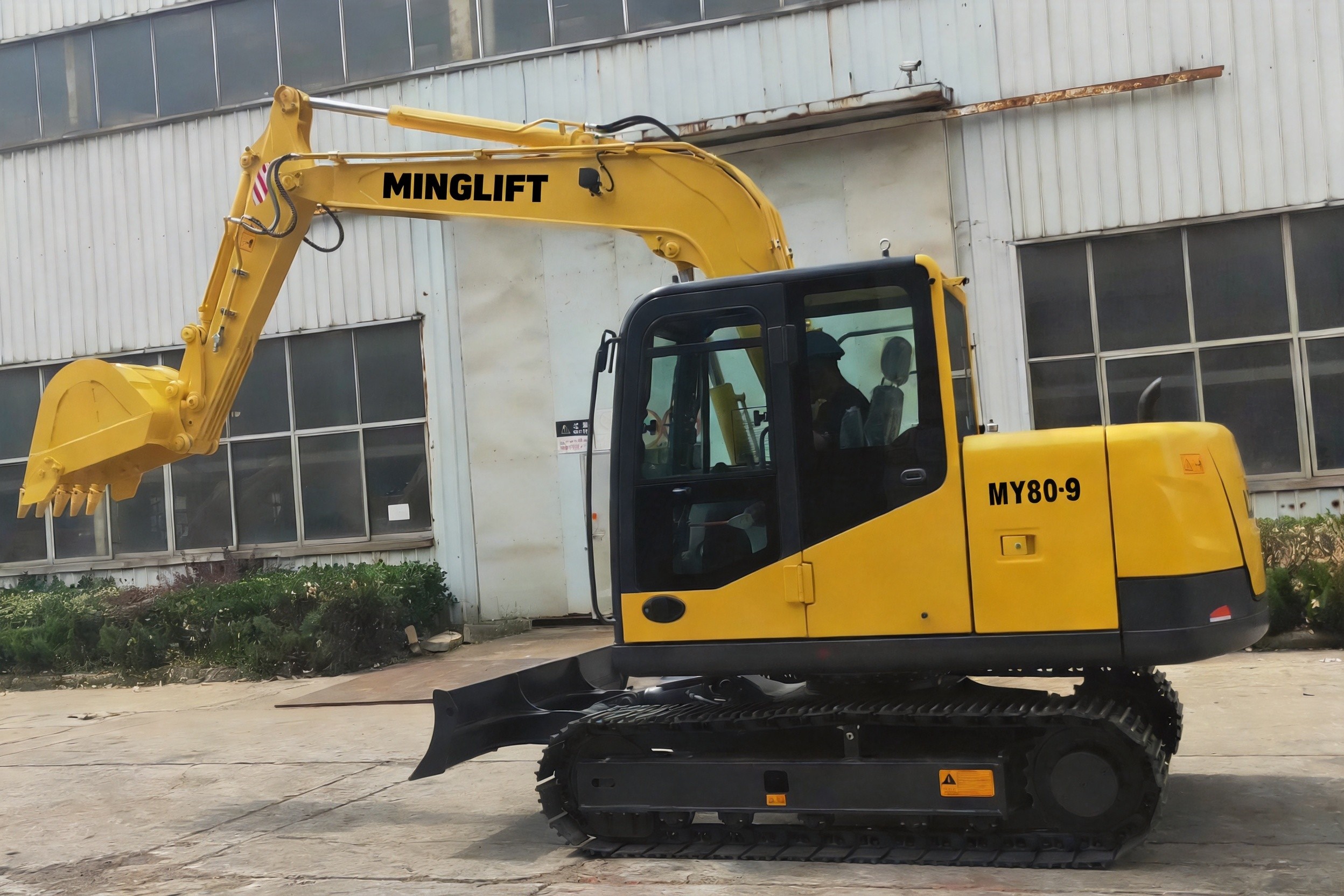
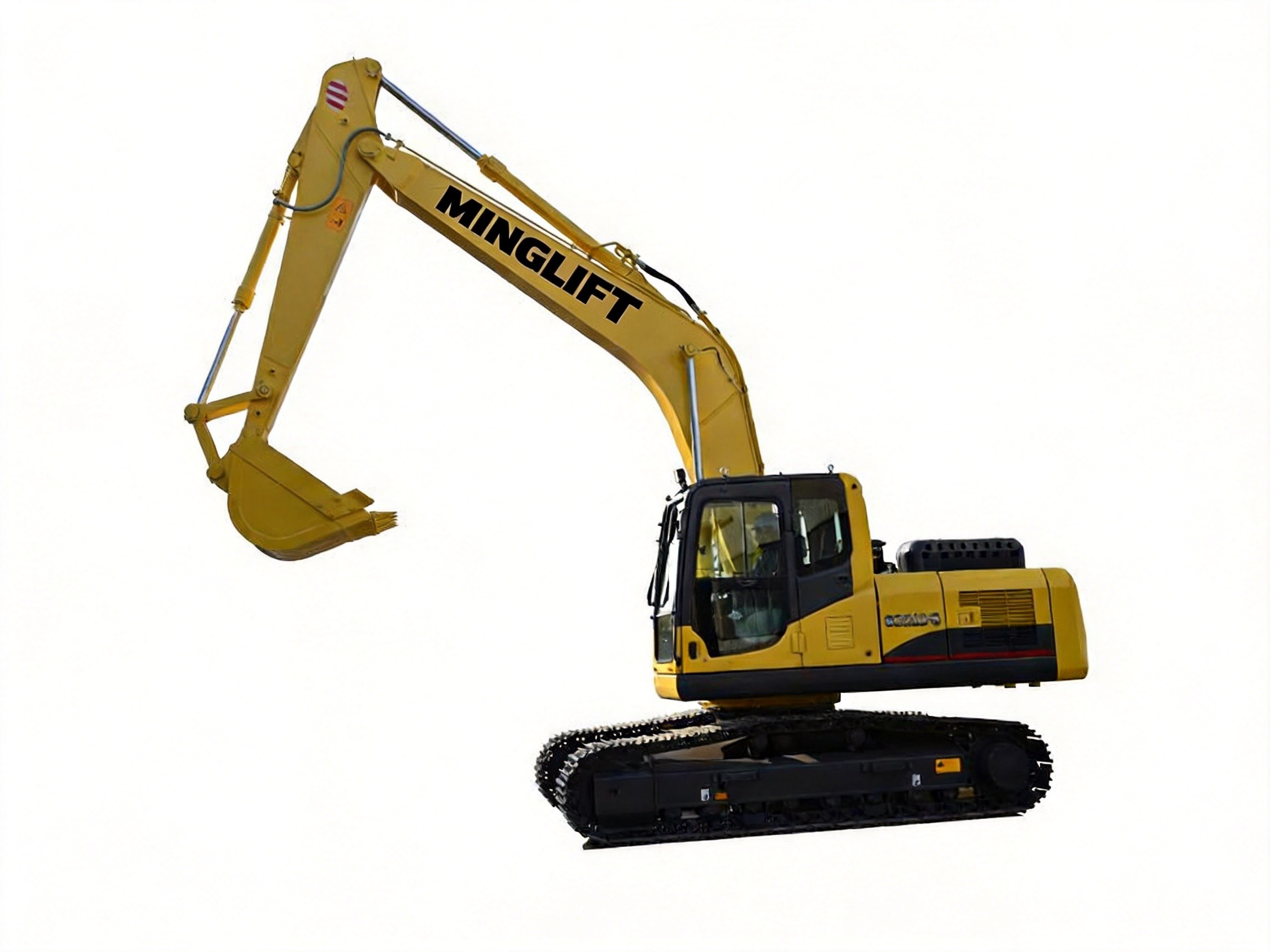
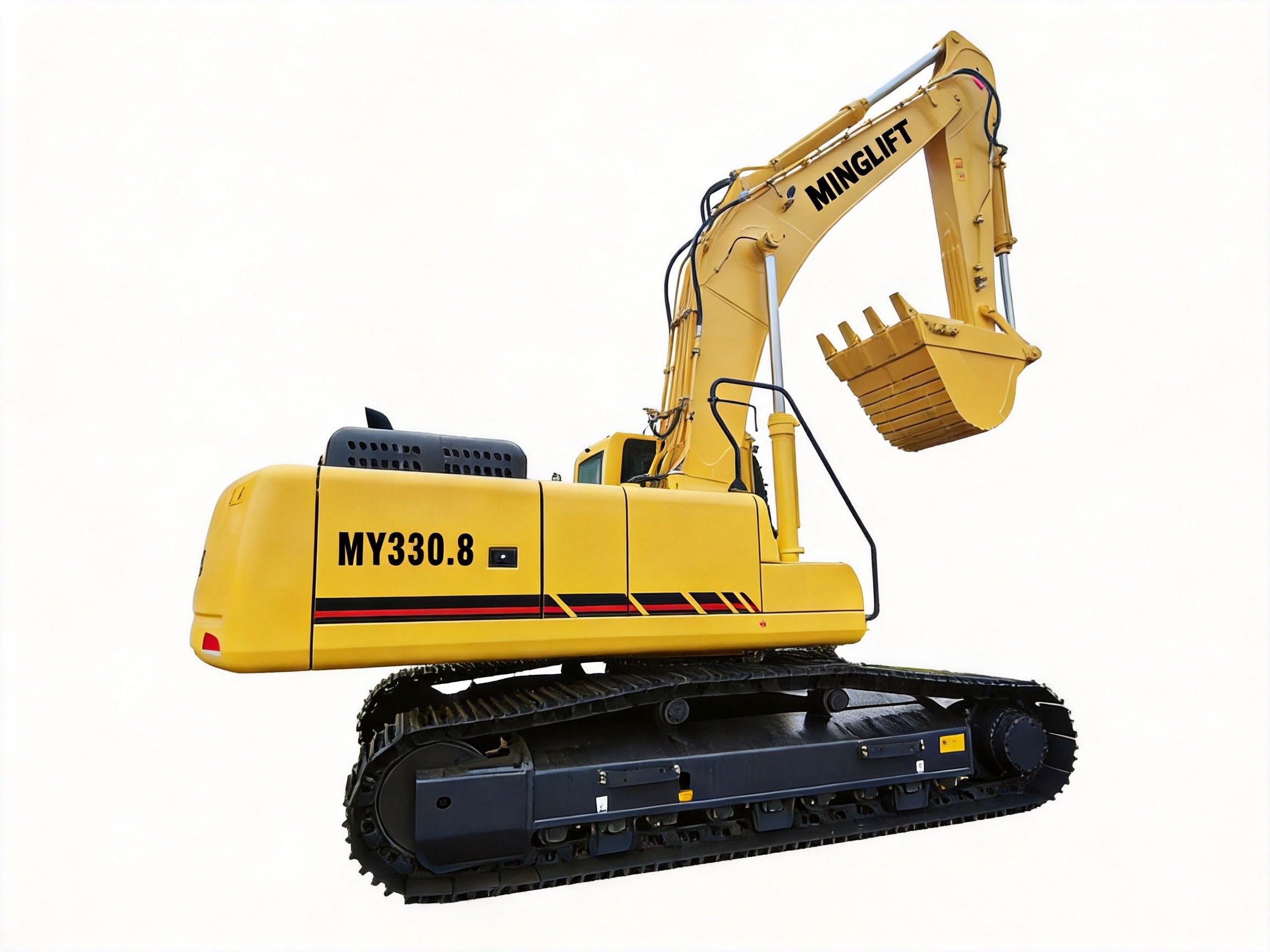
MINGLIFT Technology Integration
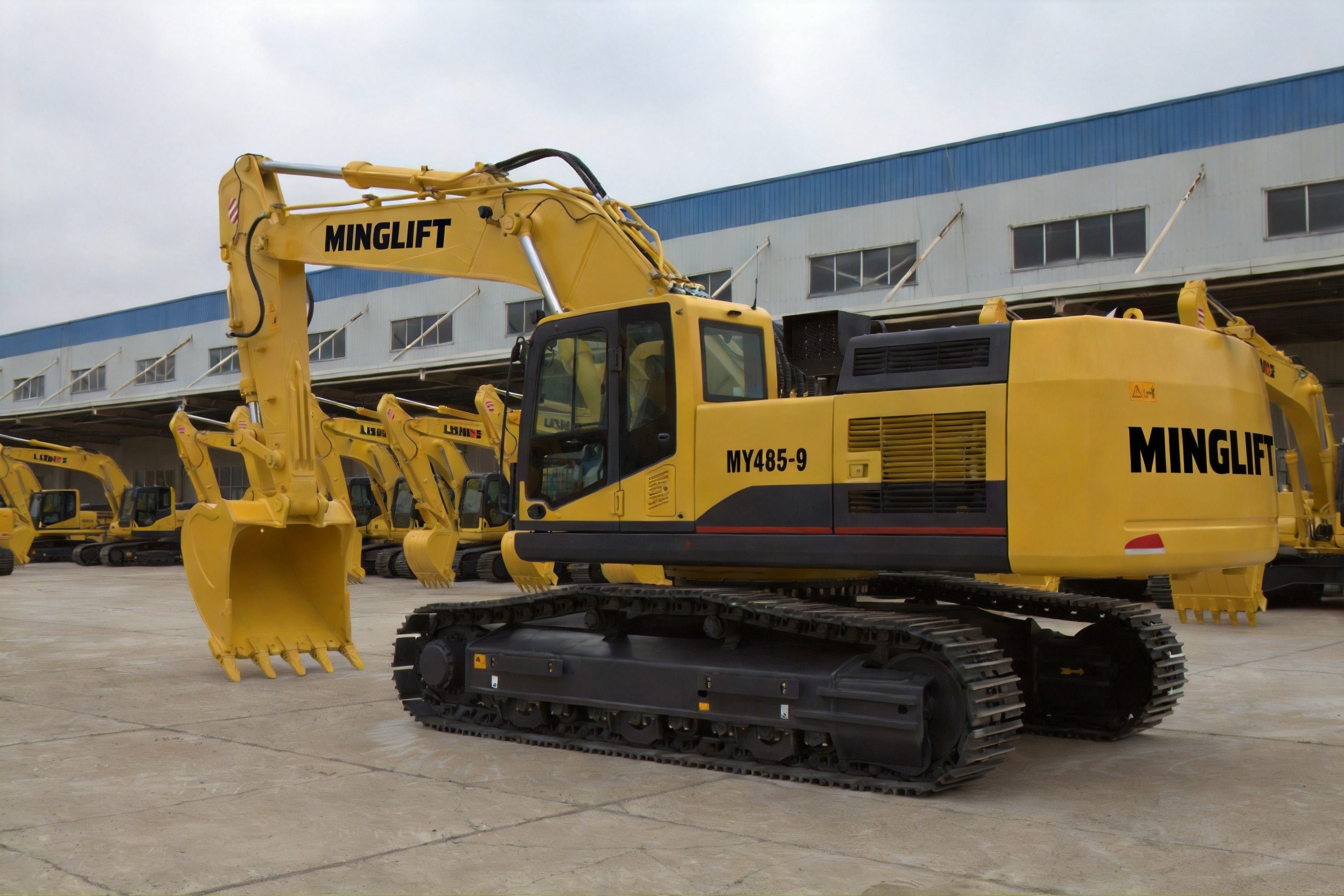
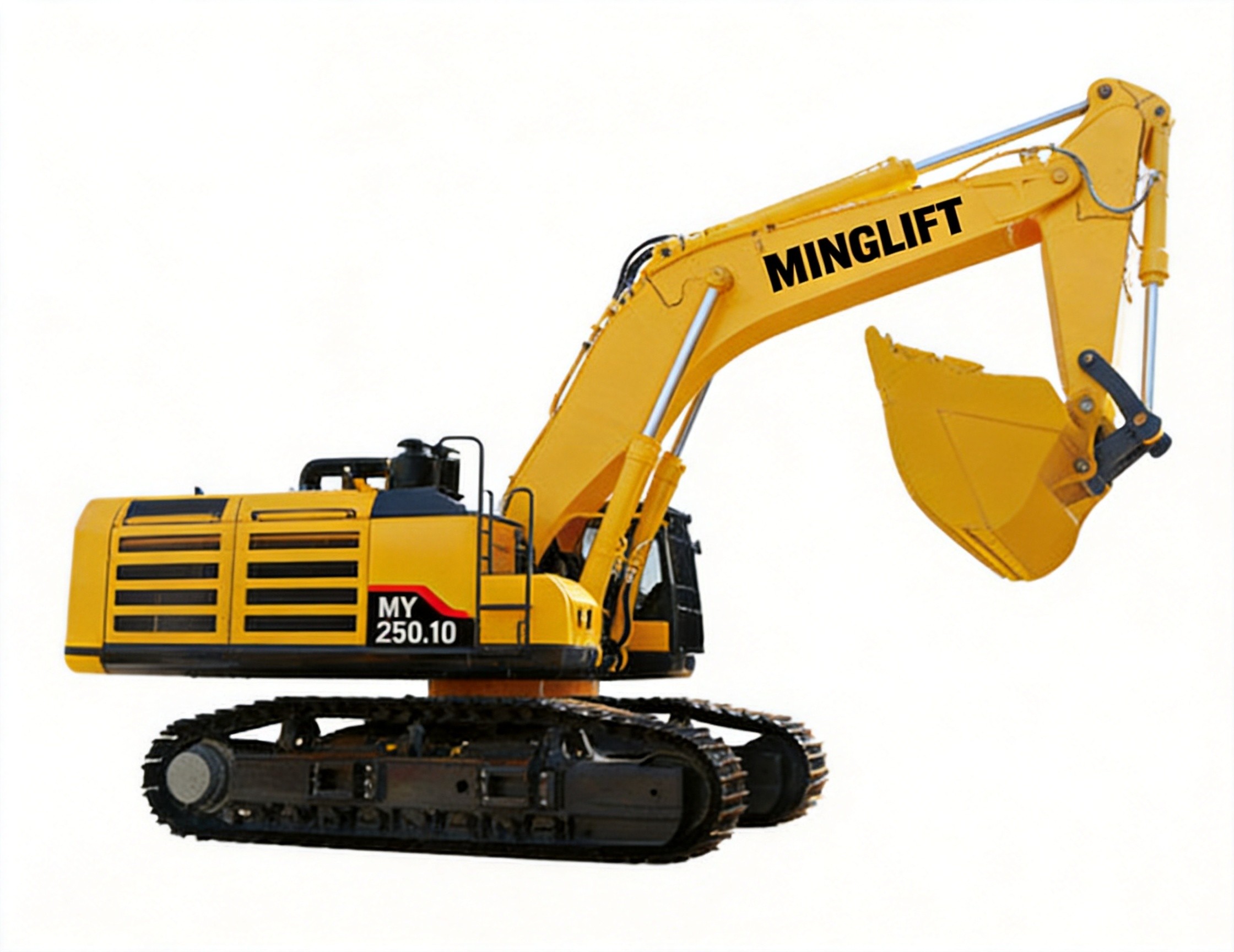
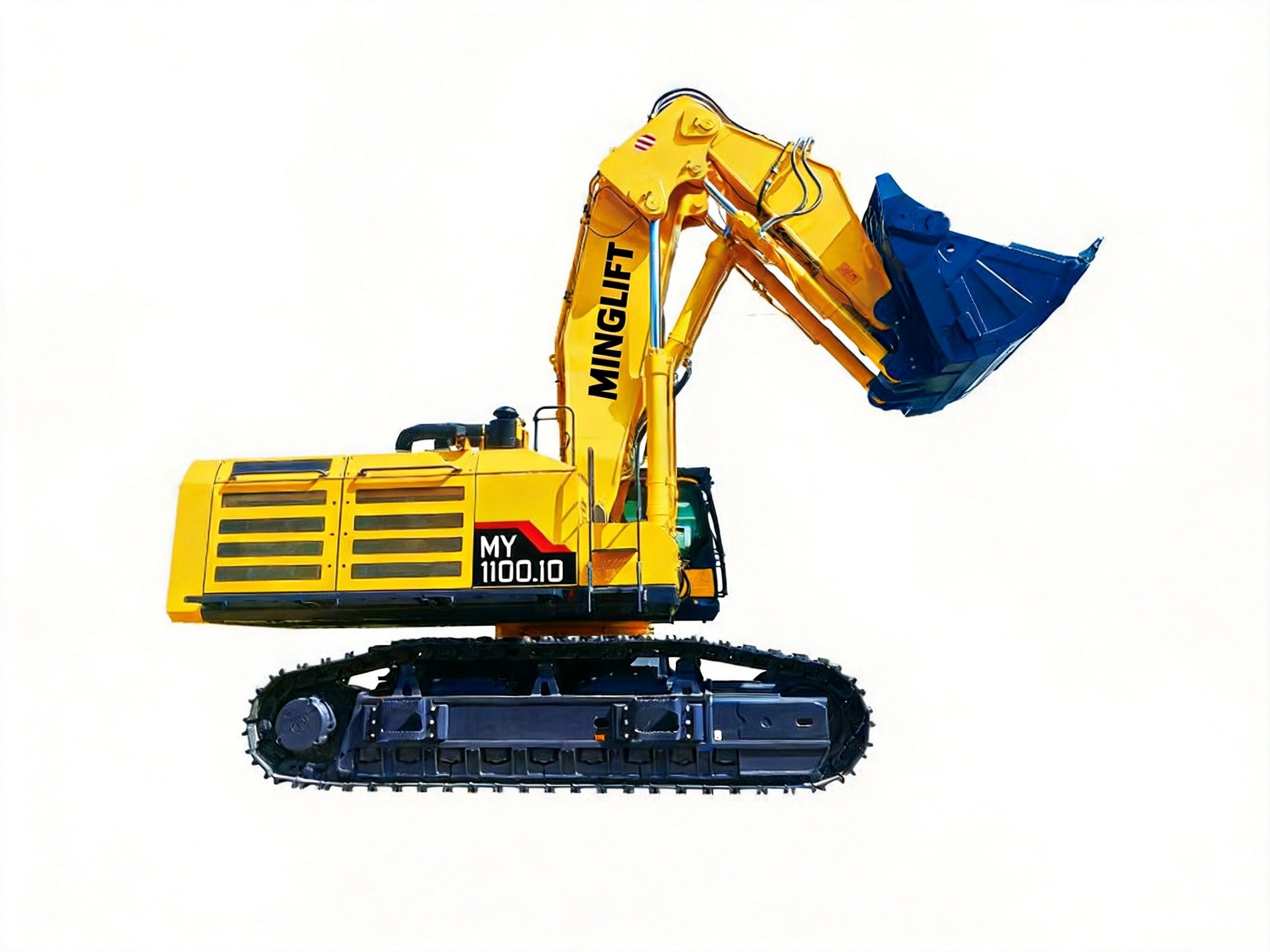
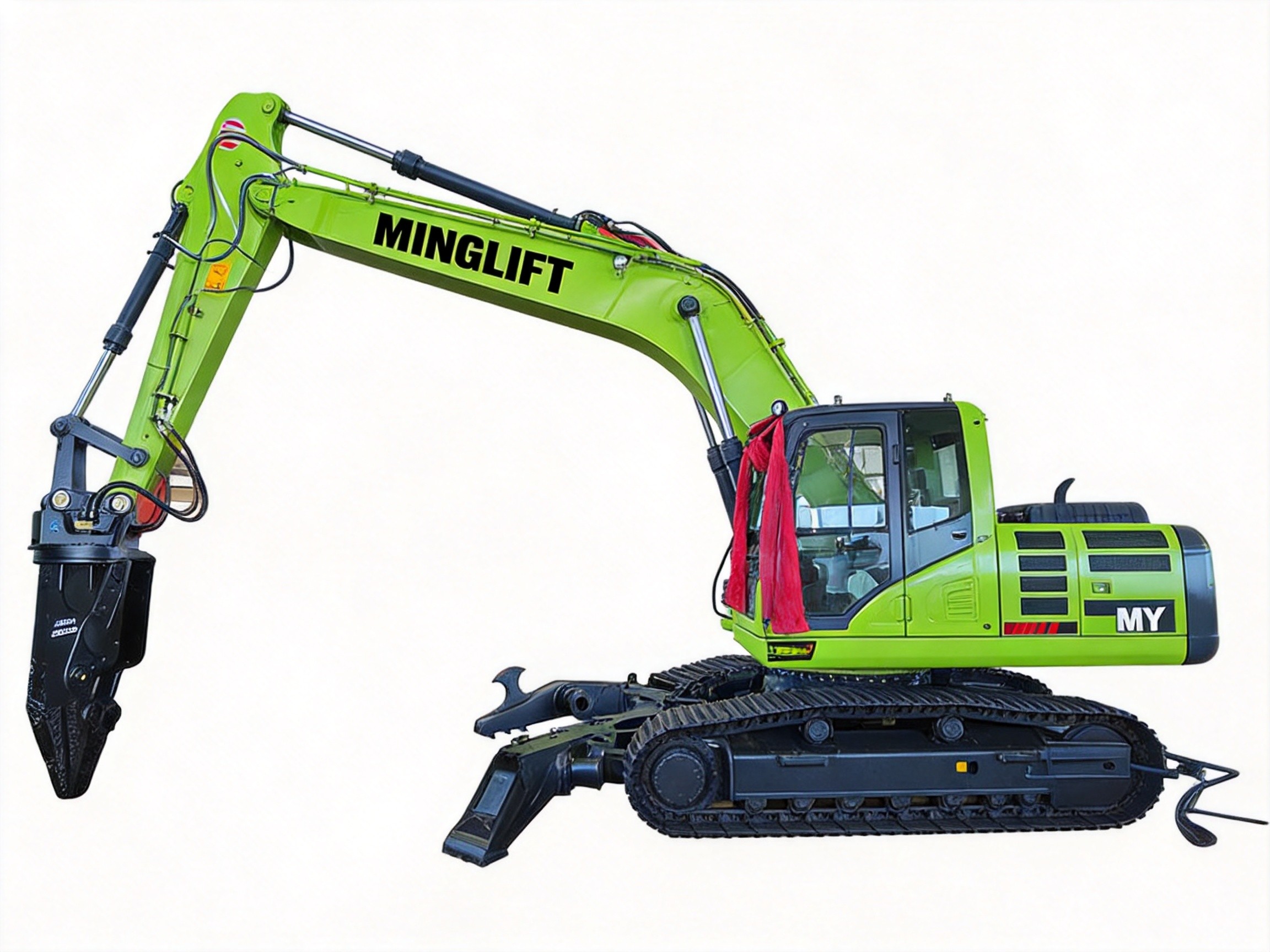
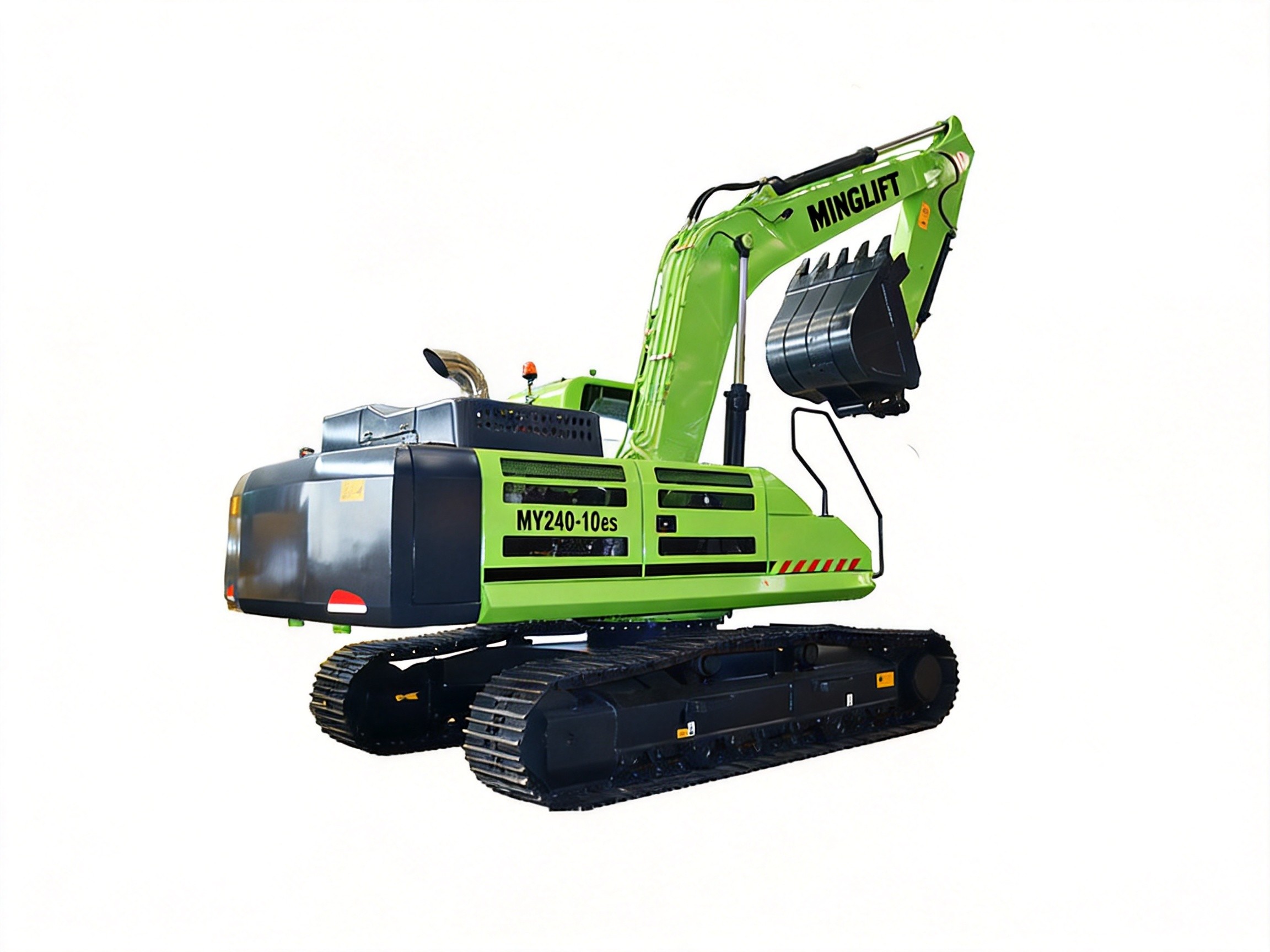
MINGLIFT incorporates the latest technologies across its mining excavator range:
- Standard telematics: All MINGLIFT mining excavators include satellite-based monitoring
- Grade control ready: Pre-wired and pre-plumbed for GPS guidance system installation
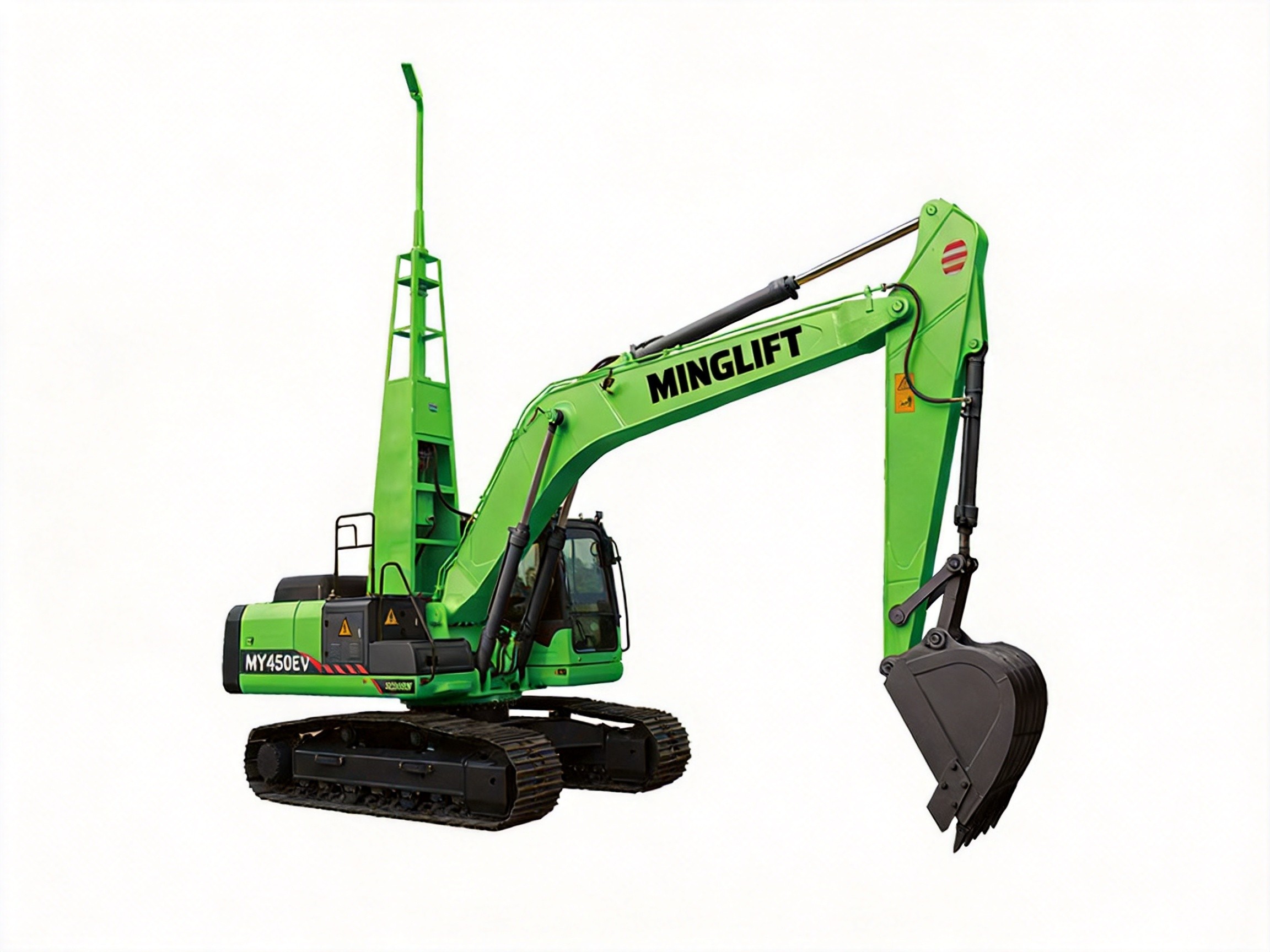
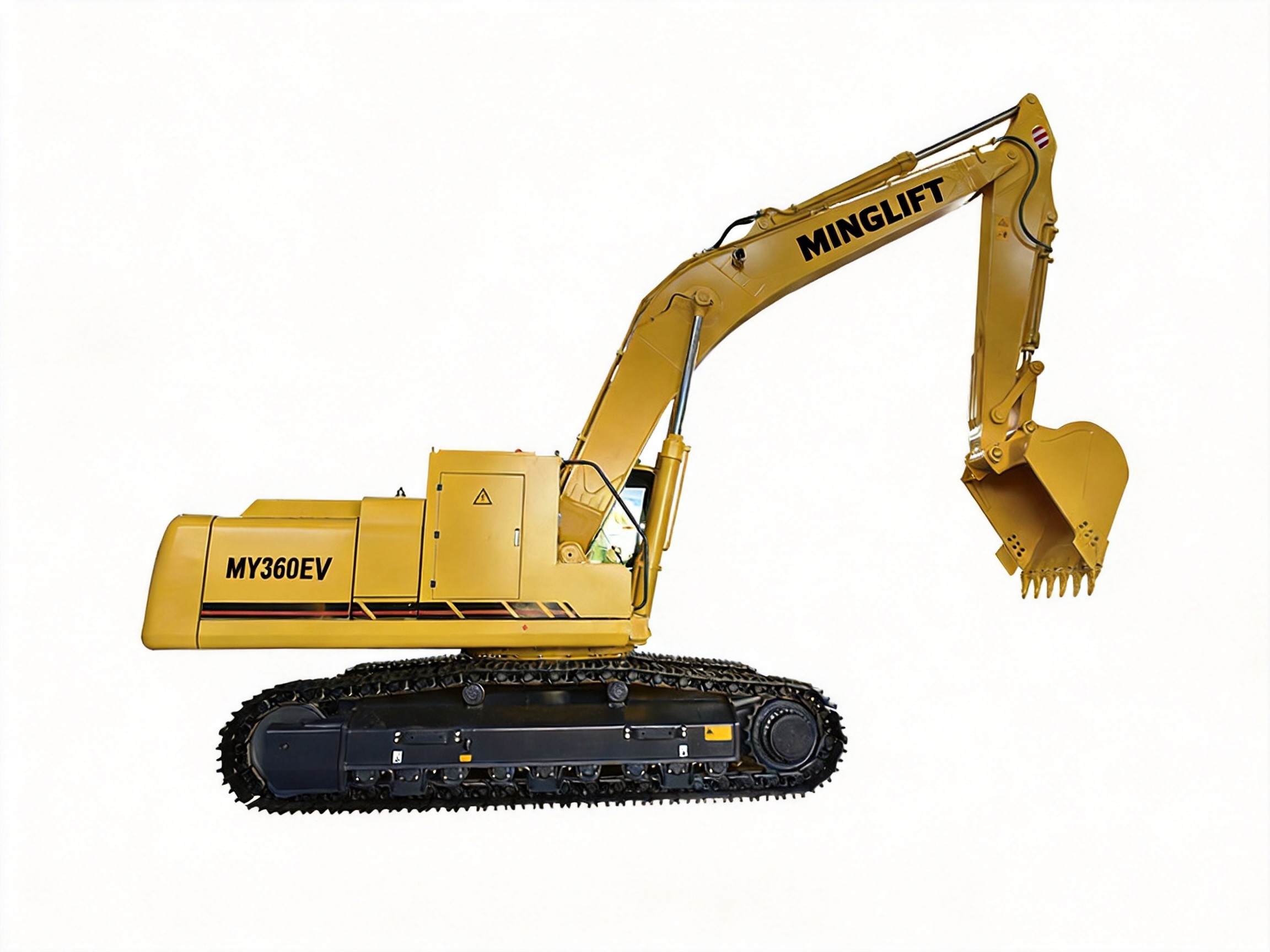
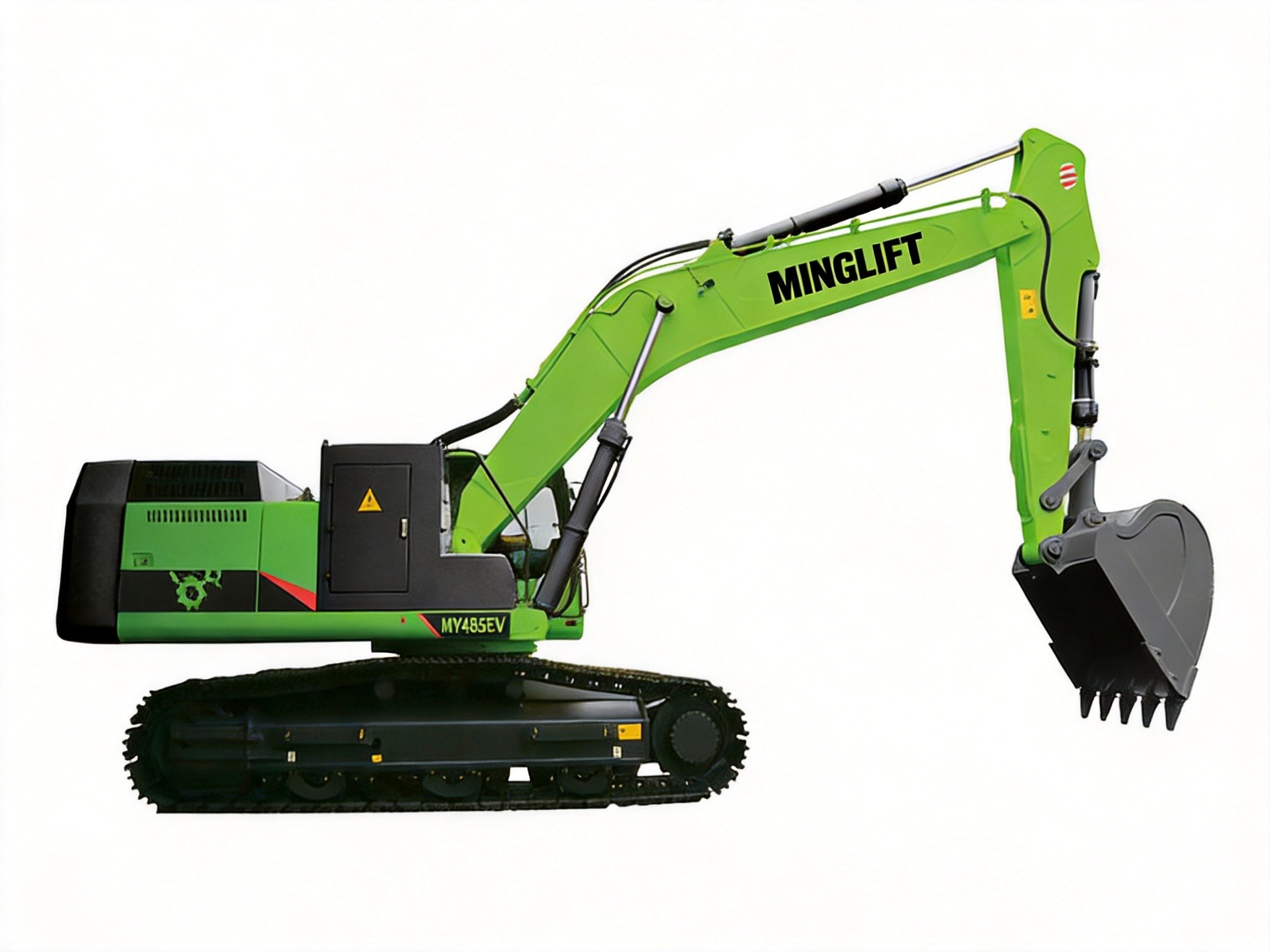
- Electric options: ME470EV and ME380EV models for emission-sensitive mining operations
- Automation ready: Control systems prepared for future autonomous upgrade packages
- Open architecture: Compatible with major third-party mine management systems
Conclusion
The pace of technological advancement in mining excavators shows no signs of slowing. Operators who embrace these technologies gain significant advantages in productivity, safety, and operating costs. MINGLIFT remains committed to integrating proven technologies while preparing our machines for the innovations of tomorrow.
Contact MINGLIFT to learn how our technology-equipped mining excavators can improve your operation's performance.
Keywords: mining excavator technology, autonomous mining, electric mining excavator, excavator telematics, mining safety technology, MINGLIFT technology