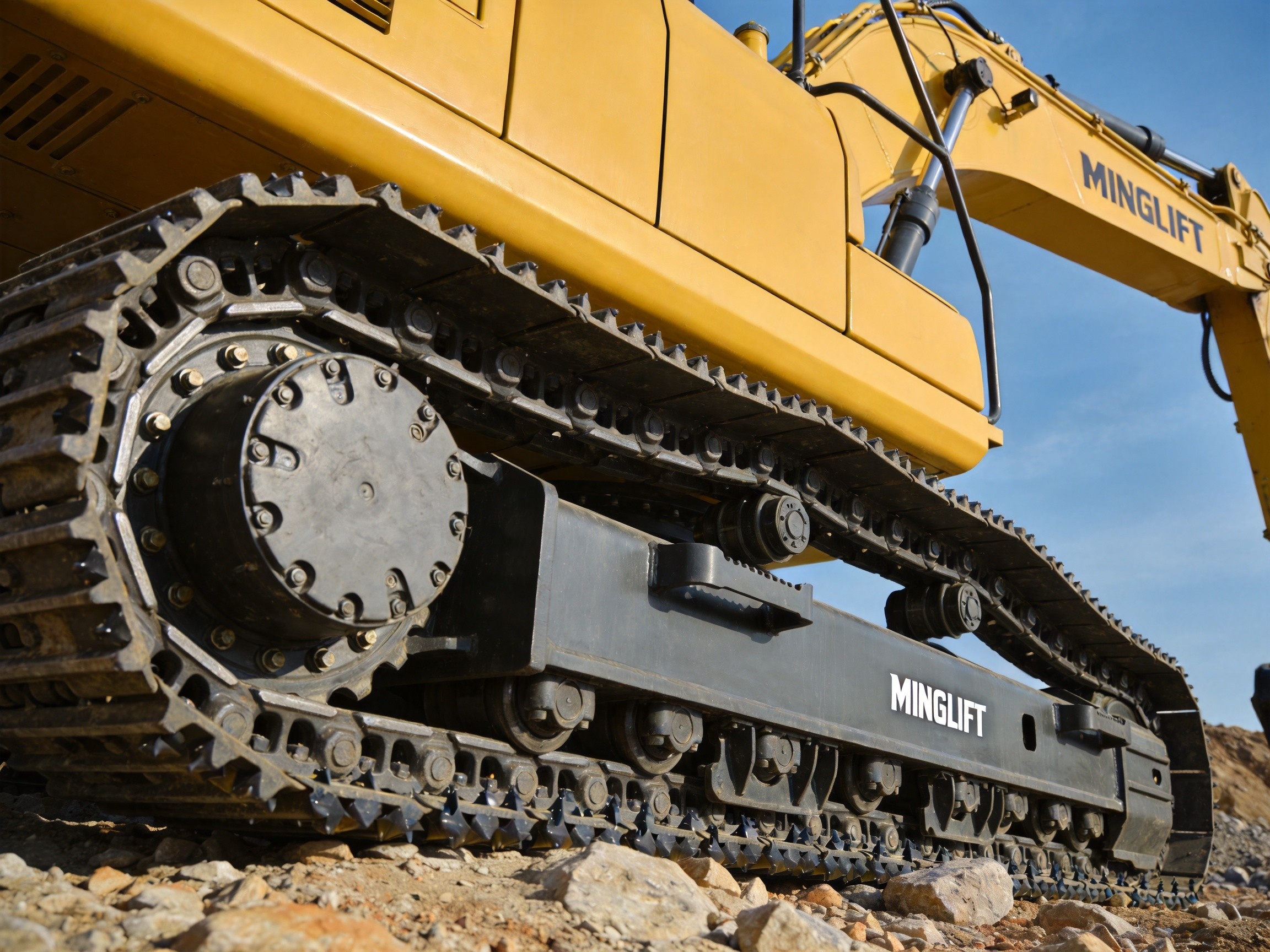
The Future of Electric Excavators in Construction
The construction industry is undergoing its biggest transformation since the replacement of steam power with diesel. Electric excavators, once considered experimental, are now proving their viability across a wide range of applications—and the pace of adoption is accelerating rapidly.
Why Electric Excavators Are Gaining Momentum
Zero Emissions for Urban Construction
Urban construction sites face increasingly strict emissions regulations. Many cities now mandate zero-emission equipment for indoor demolition, underground work, and densely populated areas. Electric excavators produce no exhaust emissions, making them ideal for:
- Indoor demolition and renovation
- Underground construction and tunneling
- Hospital and school construction zones
- Dense urban environments with air quality concerns
- Night construction projects (where noise limits apply)
Dramatically Lower Operating Costs
The economics of electric excavators are compelling:
- Energy costs: Electricity costs 60-80% less than diesel per hour of operation
- Maintenance savings: Electric motors have approximately 90% fewer moving parts than diesel engines
- No fluid changes: Elimination of engine oil, fuel filters, and associated disposal costs
- Regenerative braking: Energy is recovered during boom lowering and swing deceleration
- Reduced downtime: Fewer mechanical components mean fewer potential failures
Studies show that electric excavators can reduce total operating costs by 40-60% compared to equivalent diesel models over a 5-year period.
Noise Reduction Opens New Opportunities
Electric excavators operate at 60-70 dB compared to 80-95 dB for diesel equivalents. This dramatic noise reduction enables:
- Extended working hours in noise-sensitive areas
- Residential construction without community complaints
- Airport and hospital vicinity projects
- Indoor and enclosed-space operations
Current State of Electric Excavator Technology
Battery Technology
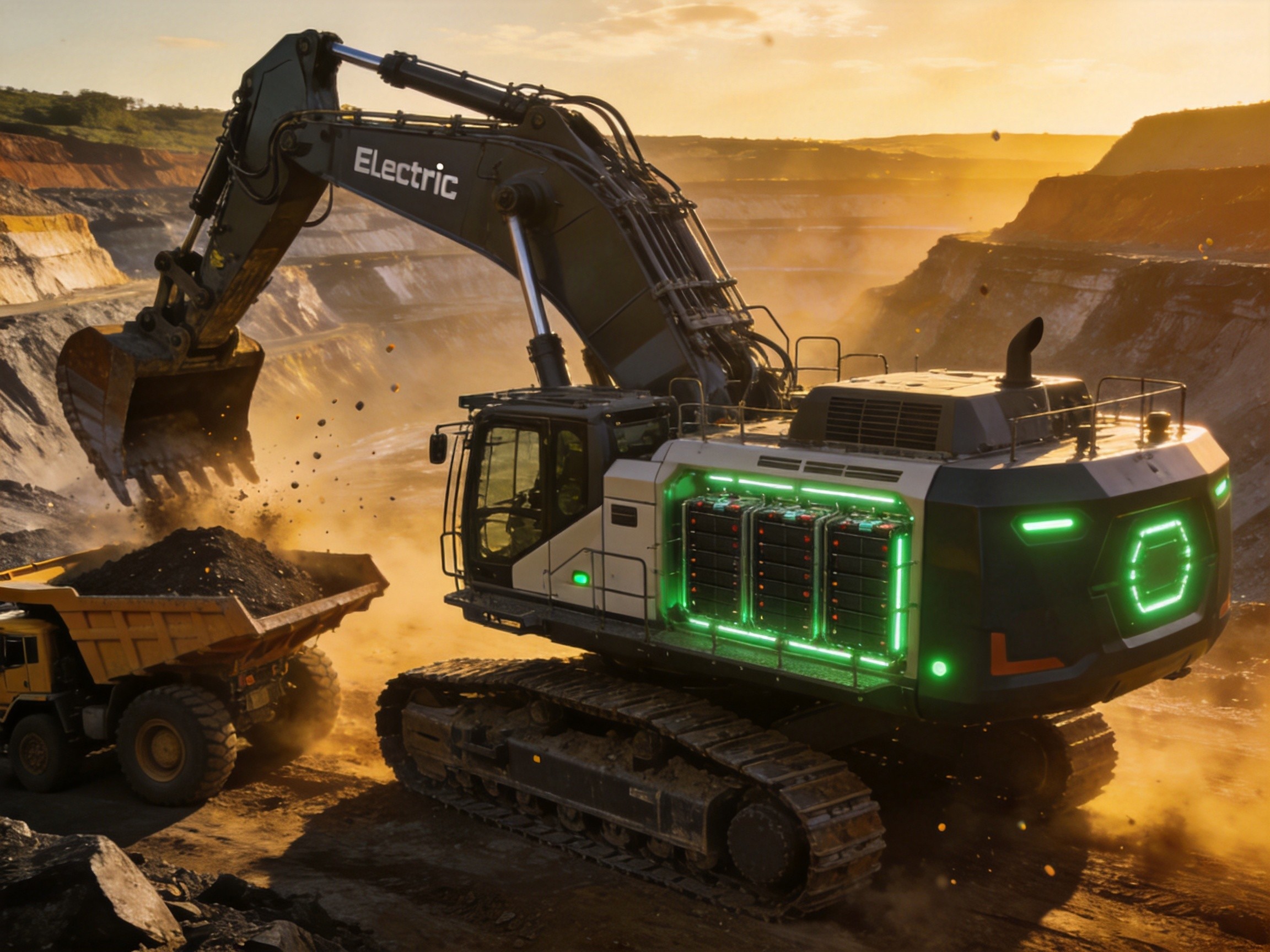
Modern electric excavators use lithium iron phosphate (LFP) batteries that offer:
- Cycle life: 2,000+ full charge/discharge cycles
- Safety: Superior thermal stability compared to NMC chemistries
- Capacity: 50-400 kWh depending on machine size
- Operating range: 4-8 hours of typical duty per charge
Charging Infrastructure
Charging solutions have evolved to meet construction site demands:
- Standard AC charging: Overnight charging from standard power outlets (8-12 hours)
- Fast DC charging: 1-2 hours to 80% capacity using dedicated chargers
- Mobile charging units: Trailer-mounted battery packs for remote sites
- Solar integration: Solar canopies and storage for off-grid construction sites
Performance Parity
Electric excavators now match or exceed diesel equivalents in key performance areas:
| Metric | Diesel | Electric |
|--------|--------|----------|
| Digging force | ★★★★★ | ★★★★★ |
| Swing speed | ★★★★★ | ★★★★★ |
| Hydraulic flow | ★★★★★ | ★★★★☆ |
| Fuel/Energy cost | ★★☆☆☆ | ★★★★★ |
| Noise level | ★★☆☆☆ | ★★★★★ |
| Emissions | ★☆☆☆☆ | ★★★★★ |
| Continuous runtime | ★★★★★ | ★★★☆☆ |
MINGLIFT's Electric Excavator Lineup
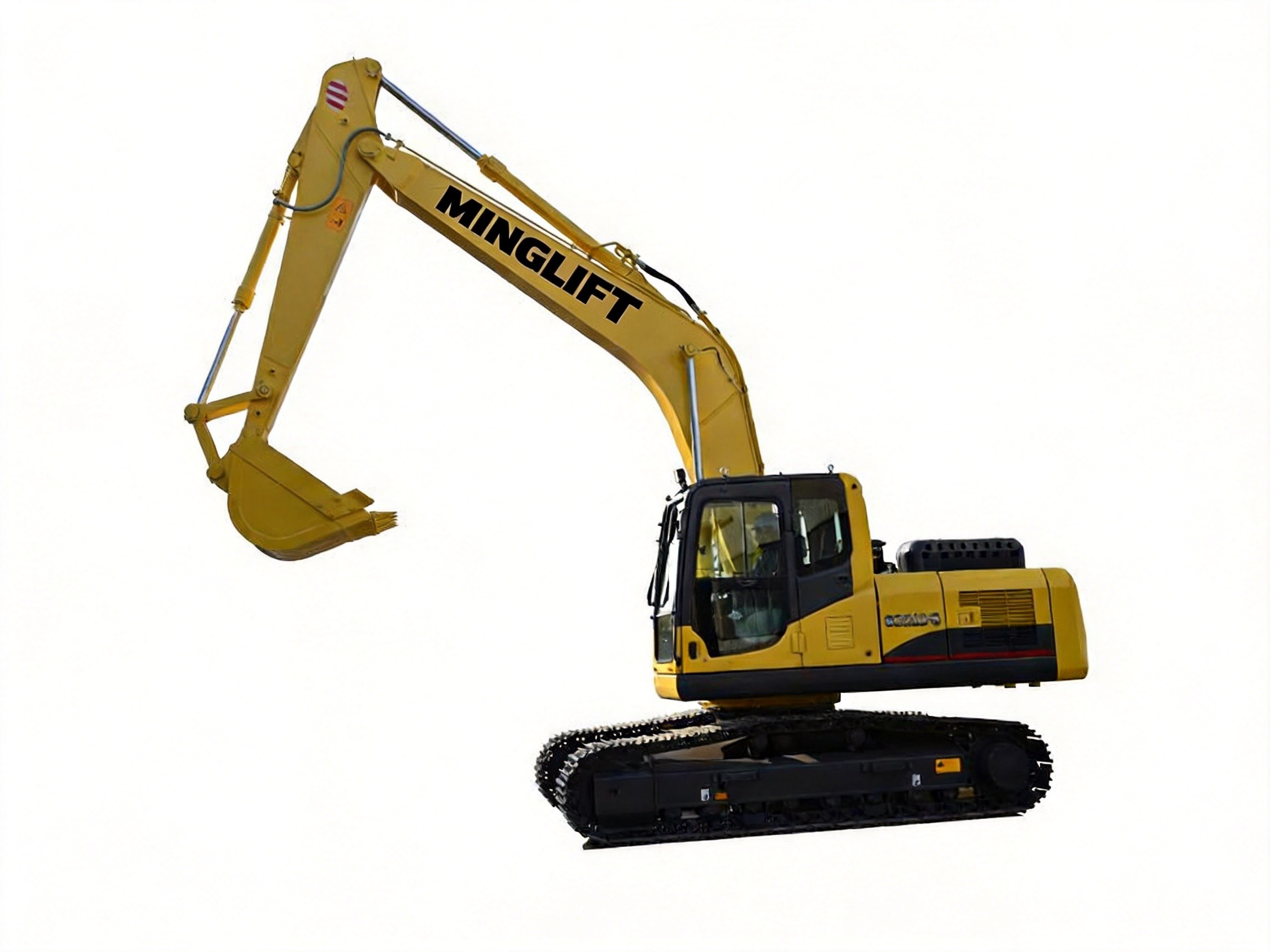
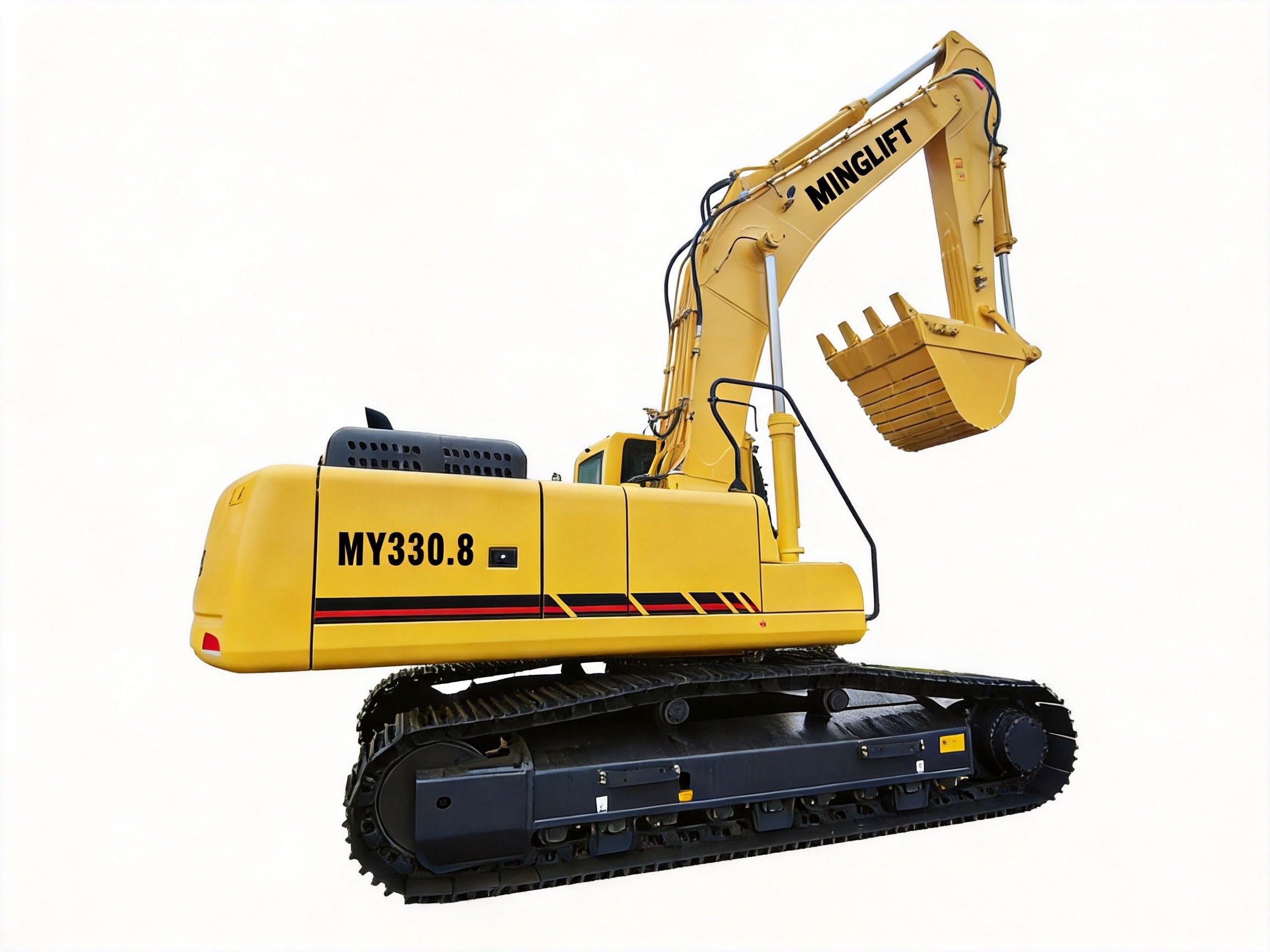
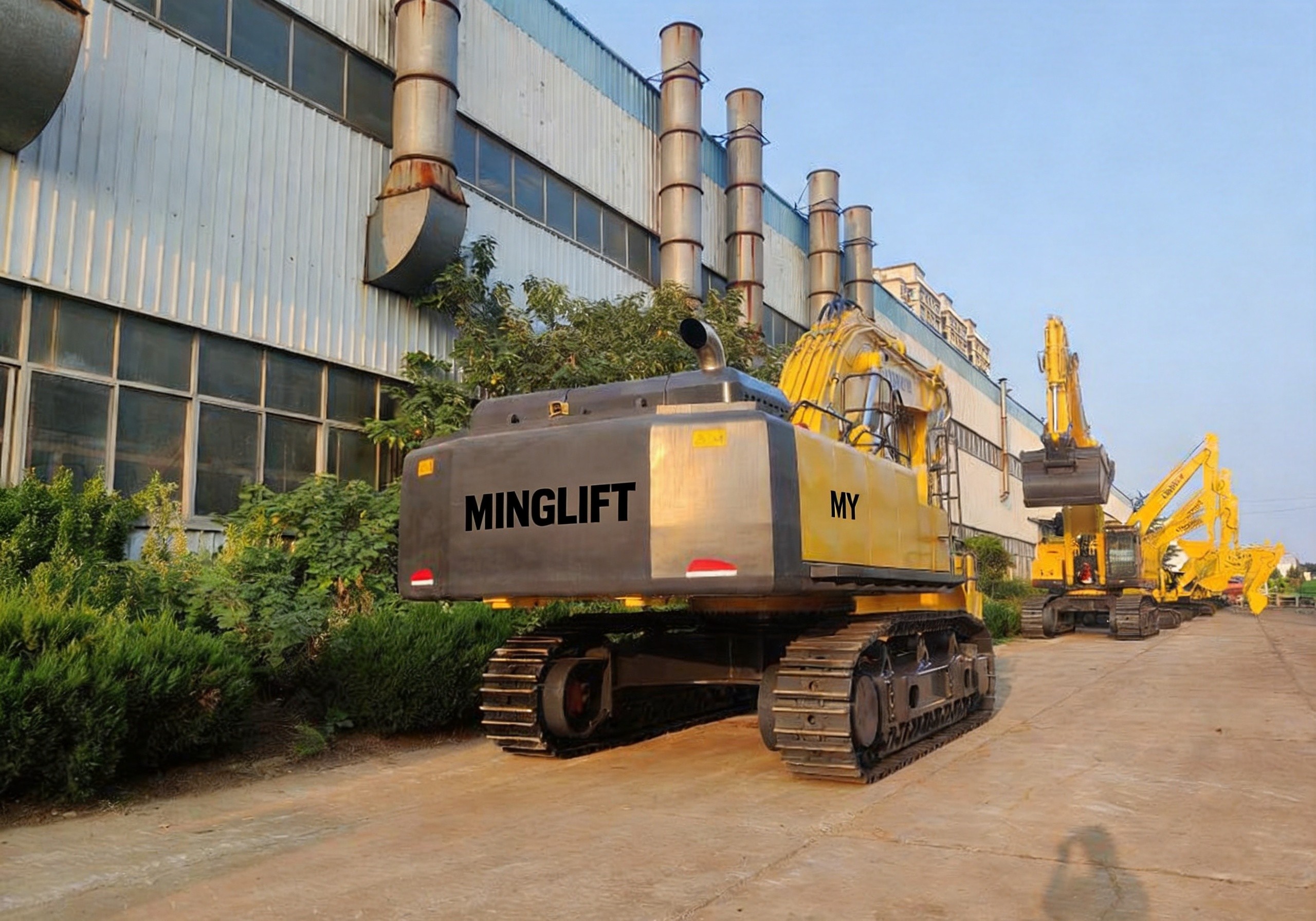
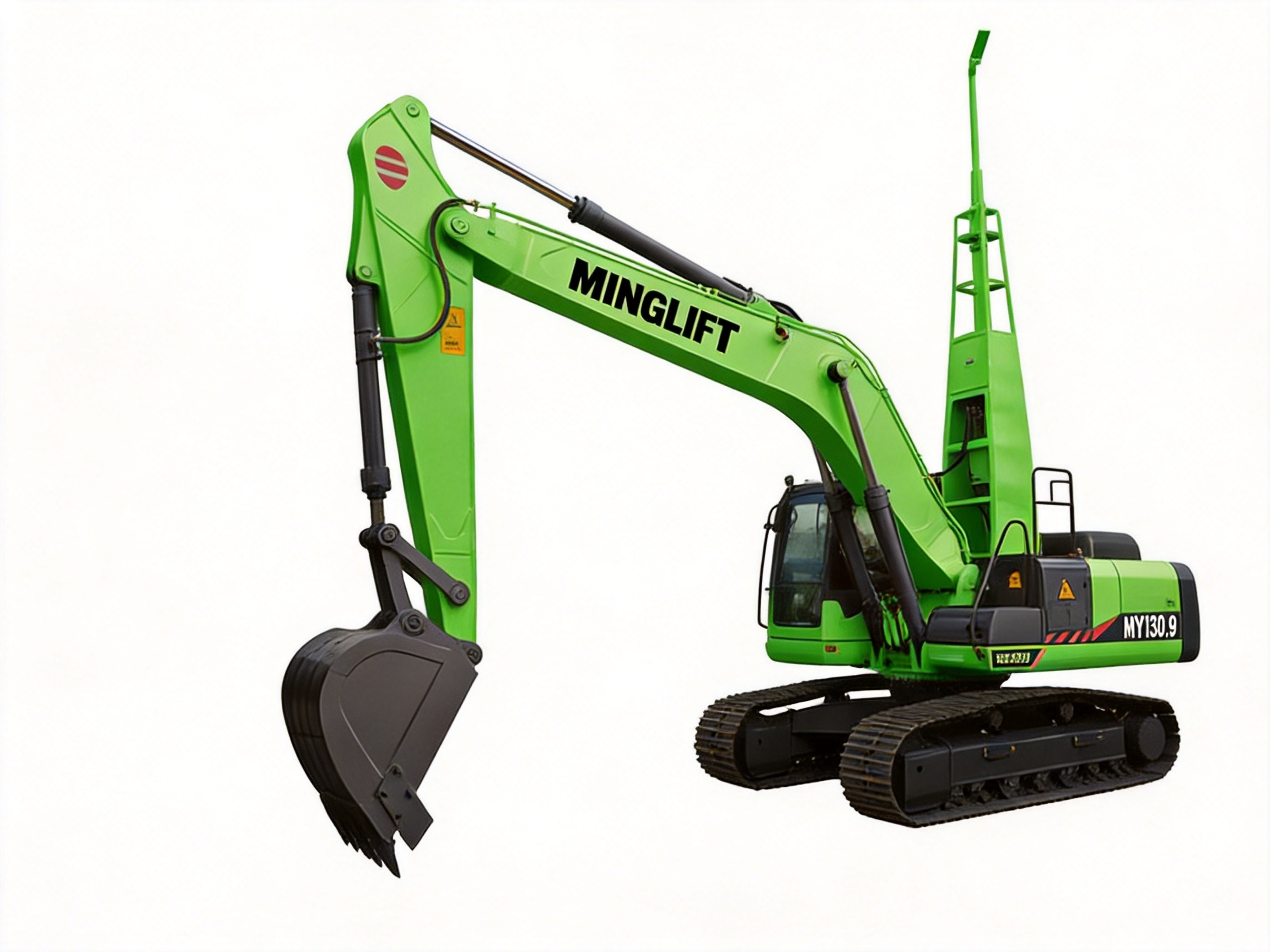
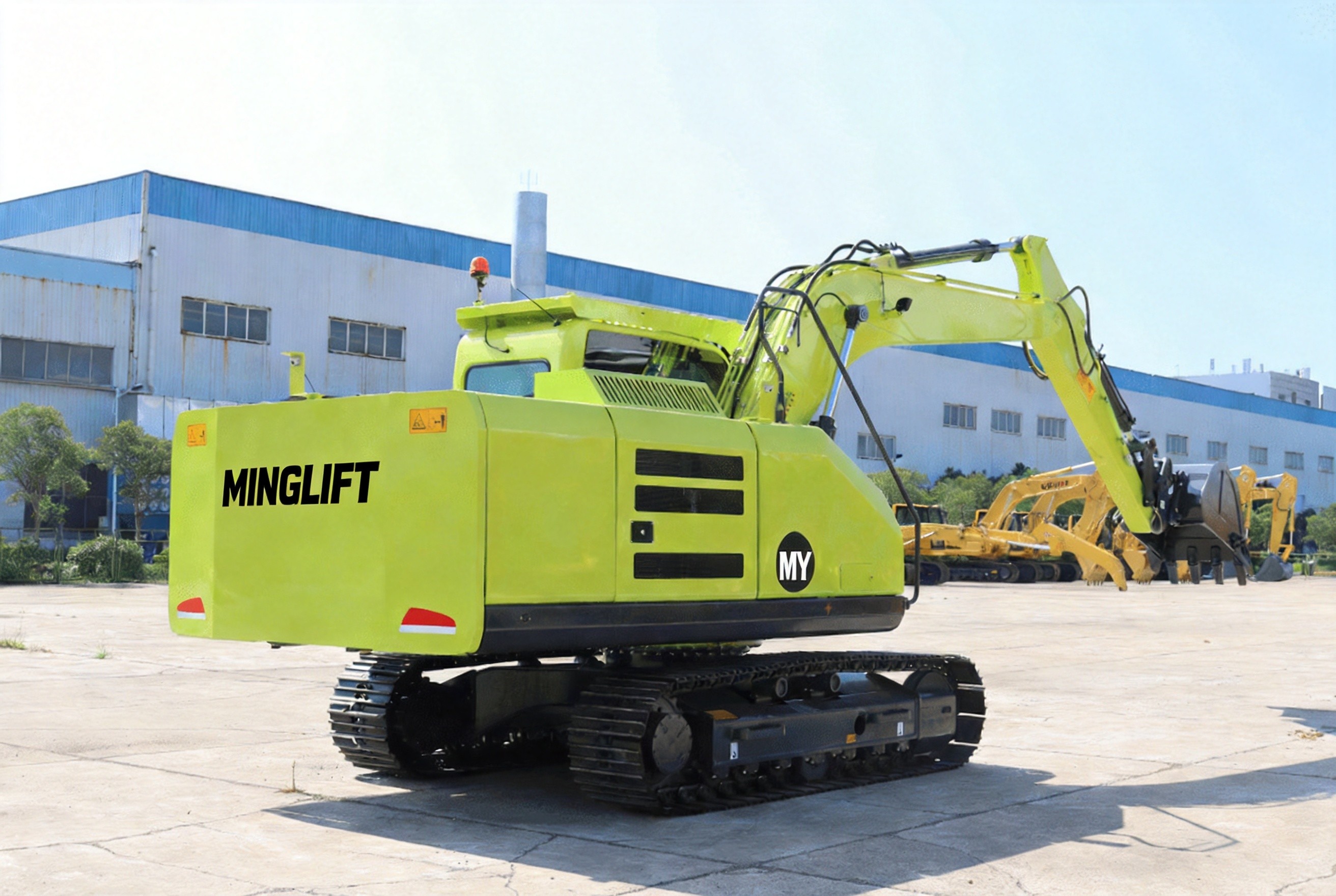
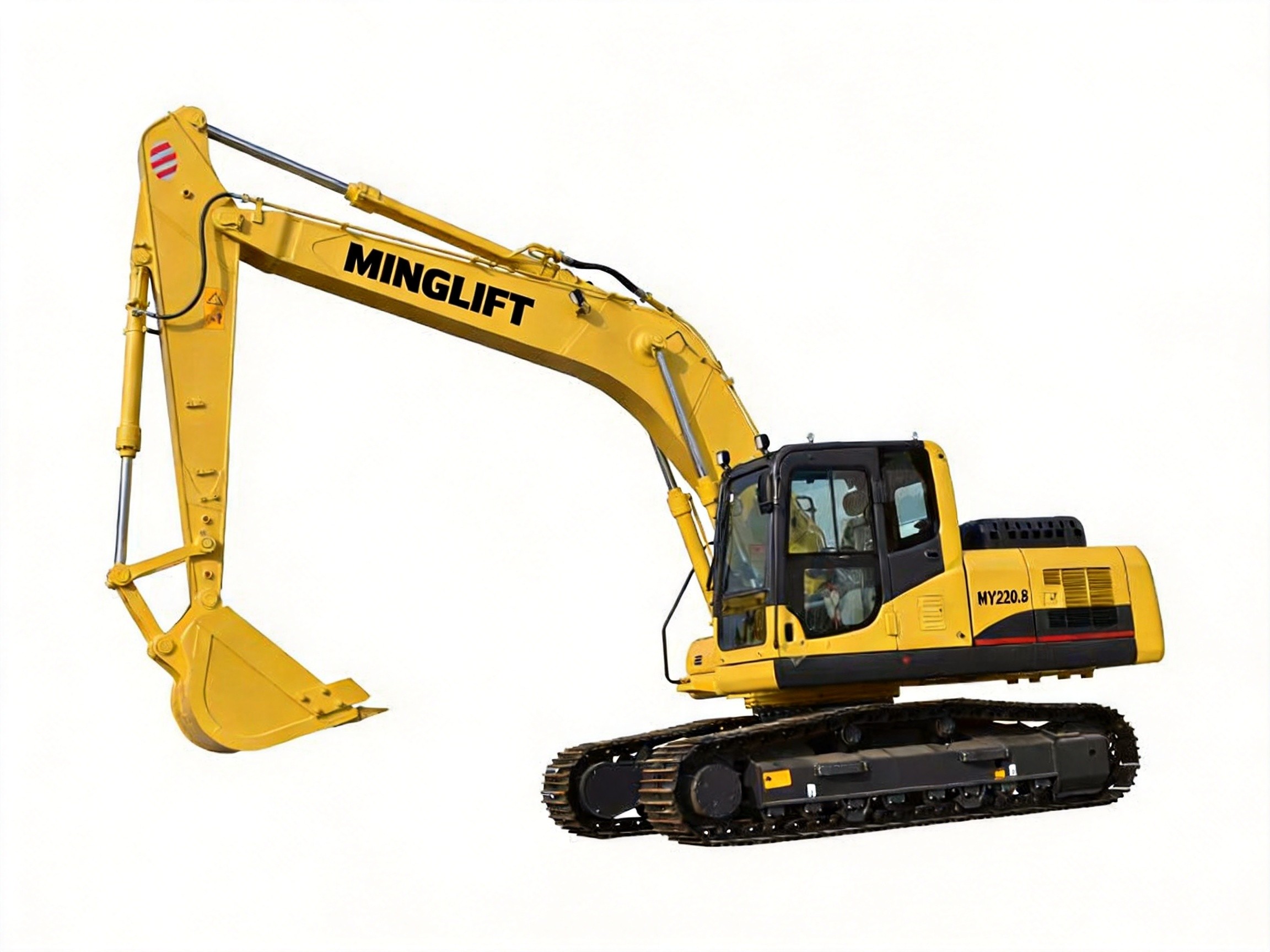
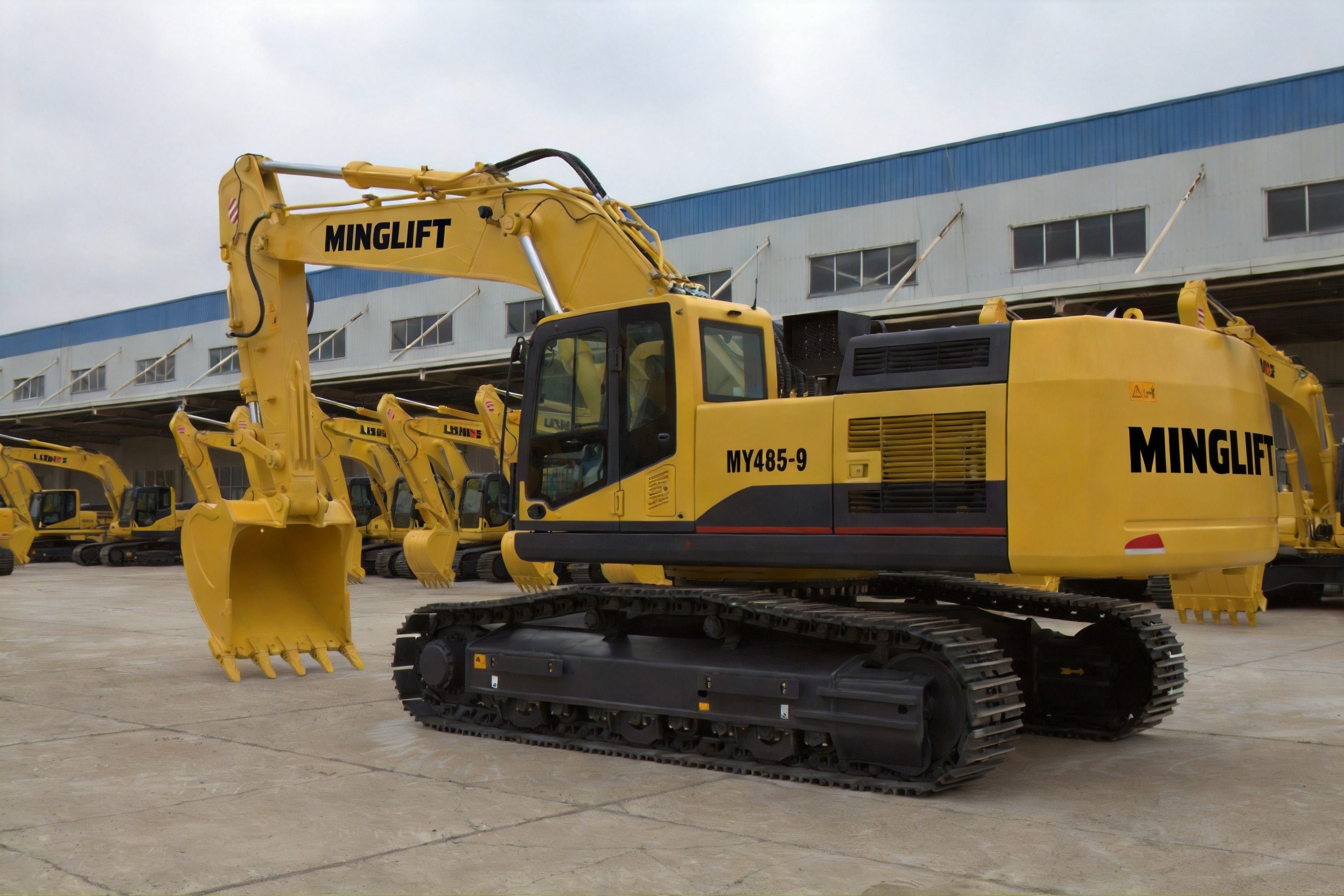
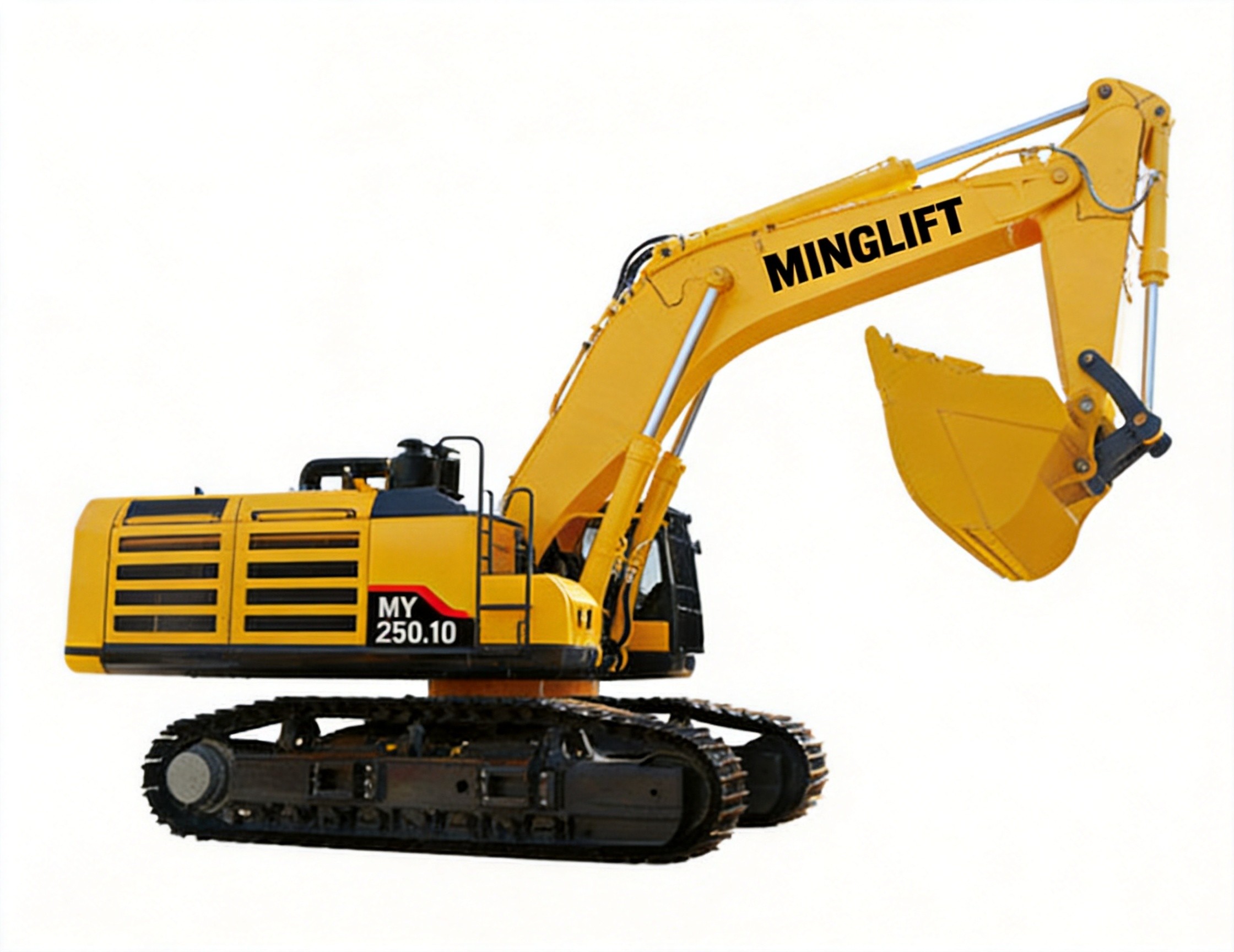
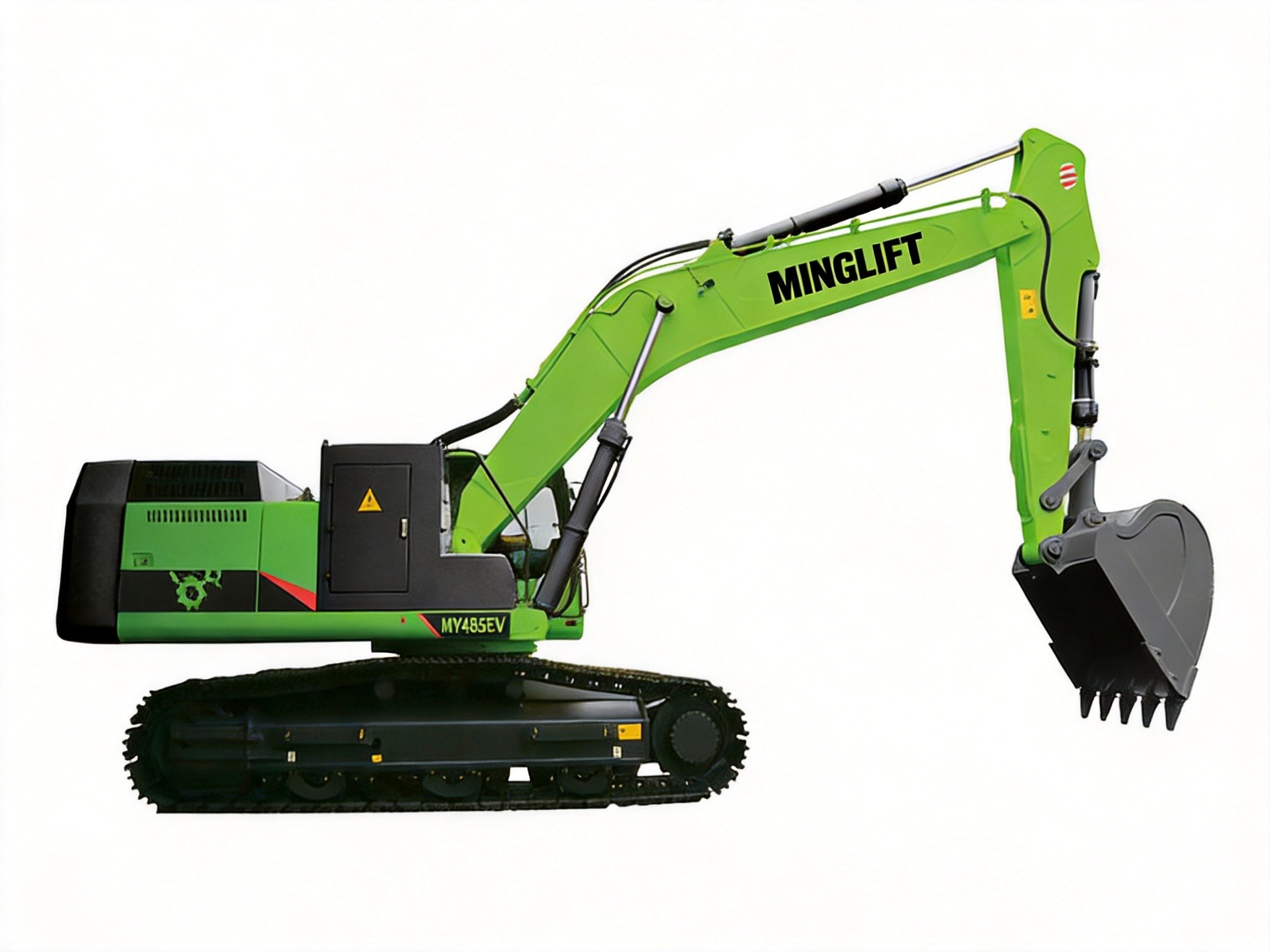
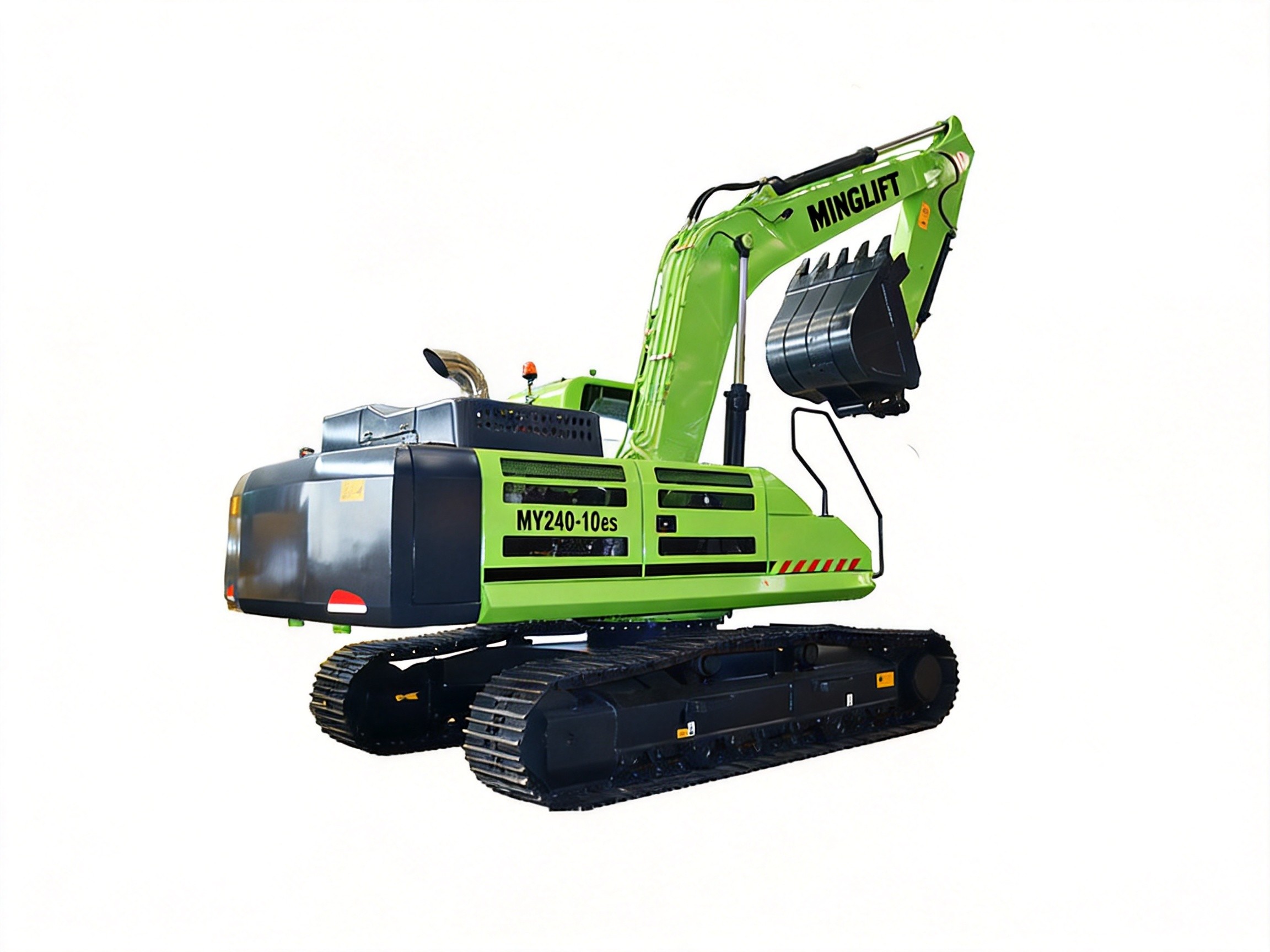
MINGLIFT is at the forefront of electric excavator technology with models designed for real-world construction applications:
- MY210EV: 21-ton electric excavator with 200 kWh battery, ideal for urban construction
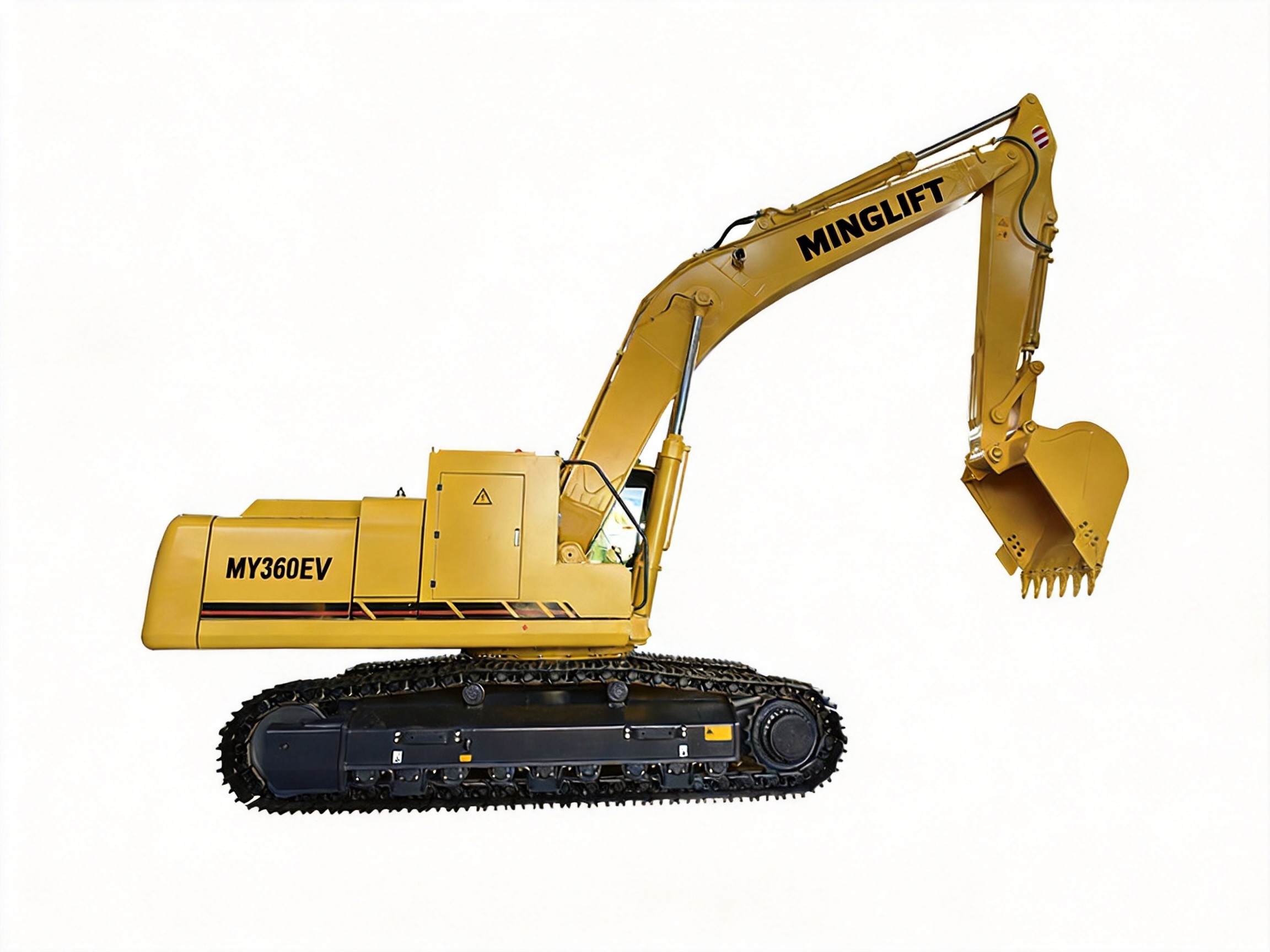
- MY360EV: 36-ton electric excavator with 400 kWh battery for heavy construction
- Custom configurations: Available for specialized applications
The Road Ahead
Industry projections suggest that electric excavators will represent:
- 2025: 5-8% of new excavator sales globally
- 2027: 15-20% of new sales, with 40%+ in Europe
- 2030: 30-40% globally, with 60%+ in regulated urban markets
Government regulations, corporate sustainability commitments, and improving economics are driving this transition faster than most industry observers predicted.
Conclusion
Electric excavators are not a future promise—they are a present reality. For contractors working in urban environments, facing emissions regulations, or seeking to reduce operating costs, electric excavators offer a proven, economically compelling alternative to diesel.
Contact MINGLIFT to learn how our electric excavator lineup can reduce your operating costs while meeting increasingly stringent environmental requirements.
Keywords: electric excavator, electric construction equipment, zero emission excavator, battery excavator, sustainable construction, MINGLIFT electric