




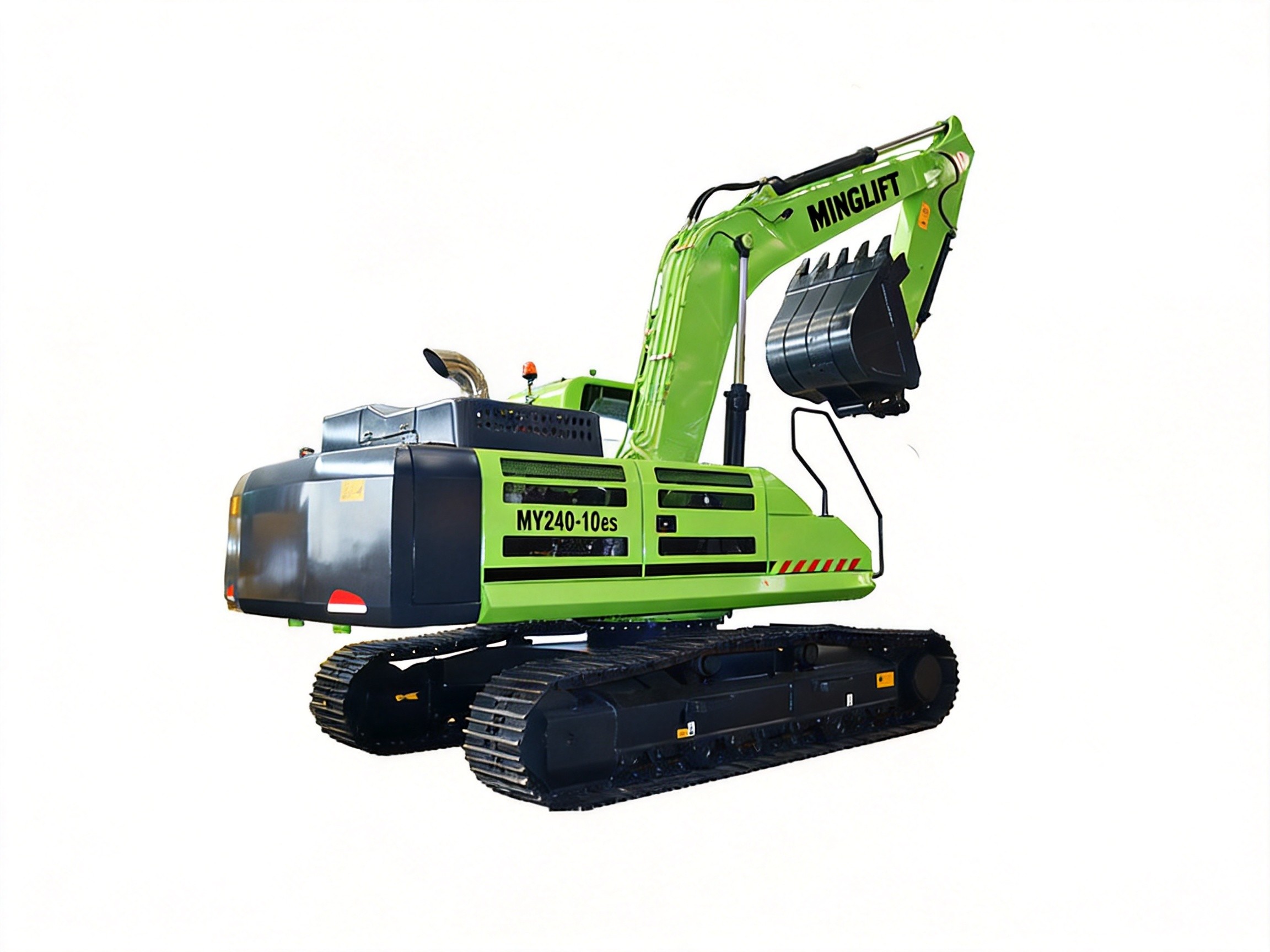

Excavator Safety Best Practices
Safety must be the foundation of every excavator operation. Construction and mining sites present numerous hazards, and excavators—powerful machines with significant reach and force—require rigorous safety protocols to protect operators, ground personnel, and the public.
Pre-Operation Safety
Operator Qualifications
- Certification: Ensure operators hold current, valid certifications for the specific machine class
- Medical fitness: Operators should meet physical requirements for vision, hearing, and reaction time
- Site-specific training: Familiarize operators with site-specific hazards, traffic patterns, and emergency procedures
- Machine familiarity: Operators should be trained on the specific make and model they will operate
Daily Safety Inspection
Before starting any work, complete a thorough inspection:
- Walk-around check: Inspect tracks, boom, arm, bucket, and all visible components
- Fluid leaks: Check for hydraulic, fuel, or coolant leaks that could create slip hazards or fire risks
- Safety devices: Test horn, backup alarm, lights, cameras, and emergency stops
- Cab condition: Ensure windows are clean, mirrors are adjusted, and seat belt is functional
- Fire extinguisher: Verify presence and charge of cab fire extinguisher
- First aid kit: Confirm first aid kit is stocked and accessible
Operational Safety Rules
Swing Radius Safety
The swing radius is the most dangerous zone around an excavator:
- Establish exclusion zones: Use barriers and signage to mark the maximum swing radius plus a safety margin
- Use spotters: When ground personnel must work near the machine, use dedicated spotters with clear communication protocols
- Never swing over people: Operators must never swing the boom or load over any person
- Swing brake check: Verify swing brake function before beginning work—failure to hold can cause unintended rotation
Underground Utility Protection
Striking underground utilities can cause injury, death, and massive damage:
- Always call before digging: Contact utility location services before any excavation
- Hand dig near utilities: Use hand tools within 1 meter of marked utilities
- Maintain safe distances: Follow local regulations for minimum distances from marked utilities
- Document utility locations: Record as-found locations of exposed utilities
Slope and Trench Safety
Working on or near slopes and in trenches presents special hazards:
- Slope limits: Never operate on slopes exceeding the manufacturer's specifications (typically 70% grade maximum)
- Spoil placement: Keep excavated material at least 1 meter from trench edges
- Trench shielding: Use trench boxes or shoring for trenches deeper than 1.5 meters
- Escape routes: Maintain ladders or ramps for trench egress every 7 meters
- Water management: Monitor for water accumulation and have pumping capacity available
Lifting Operations
Excavators are sometimes used for lifting—this requires special precautions:
- Rated capacity: Never exceed the machine's rated lift capacity at the specific radius
- Lifting attachments: Use only approved lifting eyes, slings, and shackles
- Load charts: Consult the manufacturer's load chart for the specific configuration
- Lift plans: Develop formal lift plans for critical lifts
- Tag lines: Use tag lines to control suspended loads
- Exclusion zones: Clear all personnel from below and around the lift area
Communication Protocols
Standard Signals
Establish and enforce standard hand signals:
- Stop: Arms extended horizontally, palms down
- Raise boom: Arm extended, index finger pointing up, circular motion
- Lower boom: Arm extended, index finger pointing down, circular motion
- Swing: Arm extended, pointing in desired direction
- Emergency stop: Arms crossed above head
Radio Communication
For complex operations or when visual contact is limited:
- Dedicated channel: Assign a specific radio channel for excavator operations
- Clear protocols: Use standardized phrases and require acknowledgment
- Backup signals: Establish backup visual signals in case of radio failure
- Regular checks: Test communication systems at the start of each shift
Environmental Hazards
Weather Conditions
- Wind: Stop operation when wind speeds exceed manufacturer limits (typically 35-45 km/h for large machines)
- Lightning: Cease operation and evacuate the cab during electrical storms
- Fog/poor visibility: Stop operation when visibility is insufficient to see ground personnel
- Extreme heat: Monitor hydraulic temperatures and take breaks as needed
- Extreme cold: Allow proper warm-up time; watch for ice on access steps
Ground Conditions
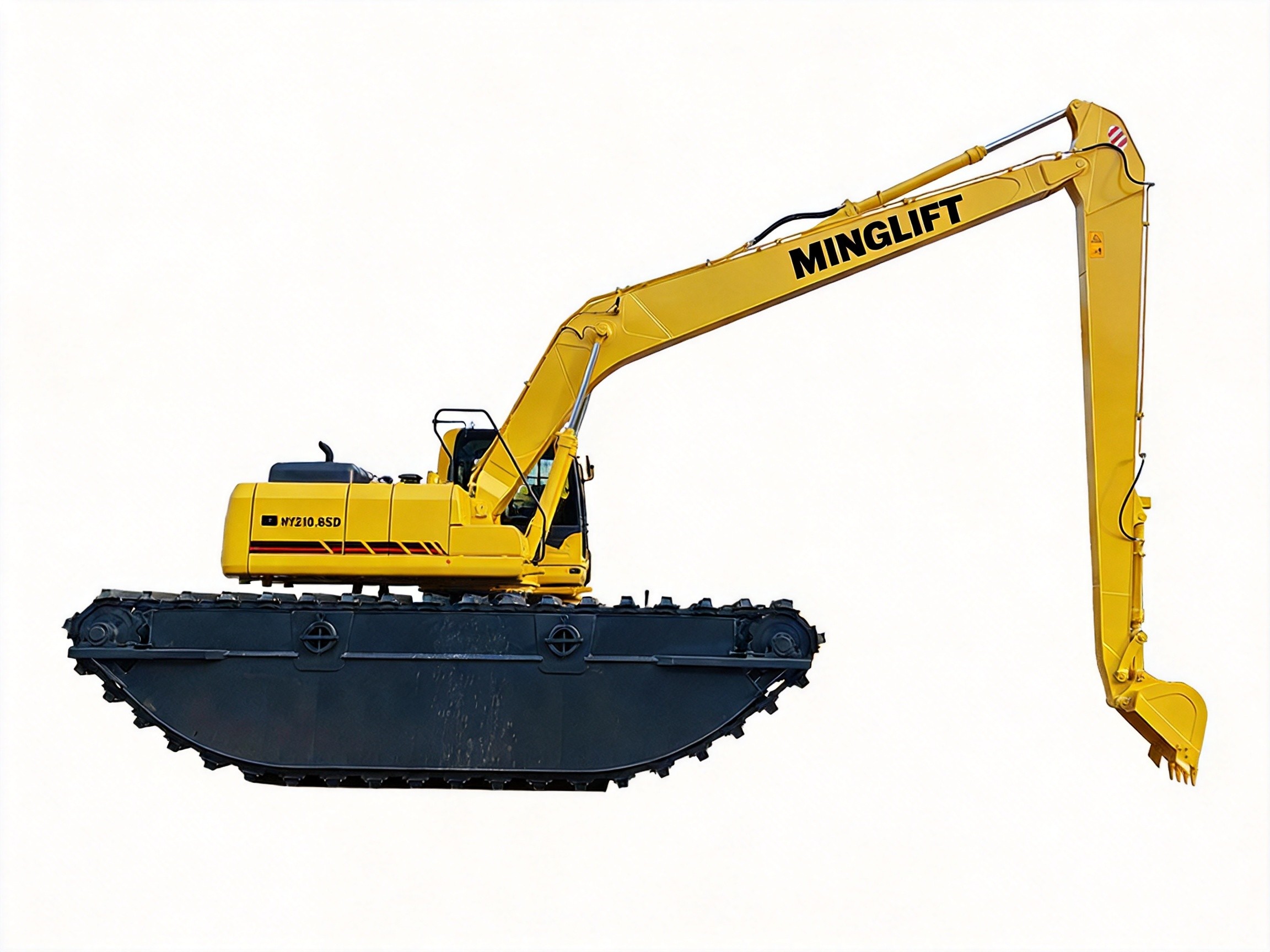
- Soft ground: Use swamp pads or wider track shoes on soft terrain
- Edge work: Maintain safe distances from excavation edges (minimum 1 meter or depth of cut, whichever is greater)
- Vibration effects: Be aware that vibration from the machine can destabilize nearby structures and slopes
- Water table: Monitor for rising water table during excavation
Emergency Procedures
Machine Fire
1. Stop all operations immediately
2. Lower the attachment to the ground
3. Shut down the engine
4. Evacuate the cab
5. Use fire extinguisher only if safe to do so
6. Call emergency services
Hydraulic Hose Failure
1. Stop operation immediately—high-pressure fluid can cause severe burns
2. Relieve hydraulic pressure by moving controls after engine shutdown
3. Do not attempt to touch or repair until system is fully depressurized
4. Replace hose with correct specification part
Personnel Injury
1. Stop machine immediately and secure the area
2. Provide first aid within your training level
3. Call emergency services
4. Do not move the injured person unless in immediate danger
5. Preserve the scene for investigation
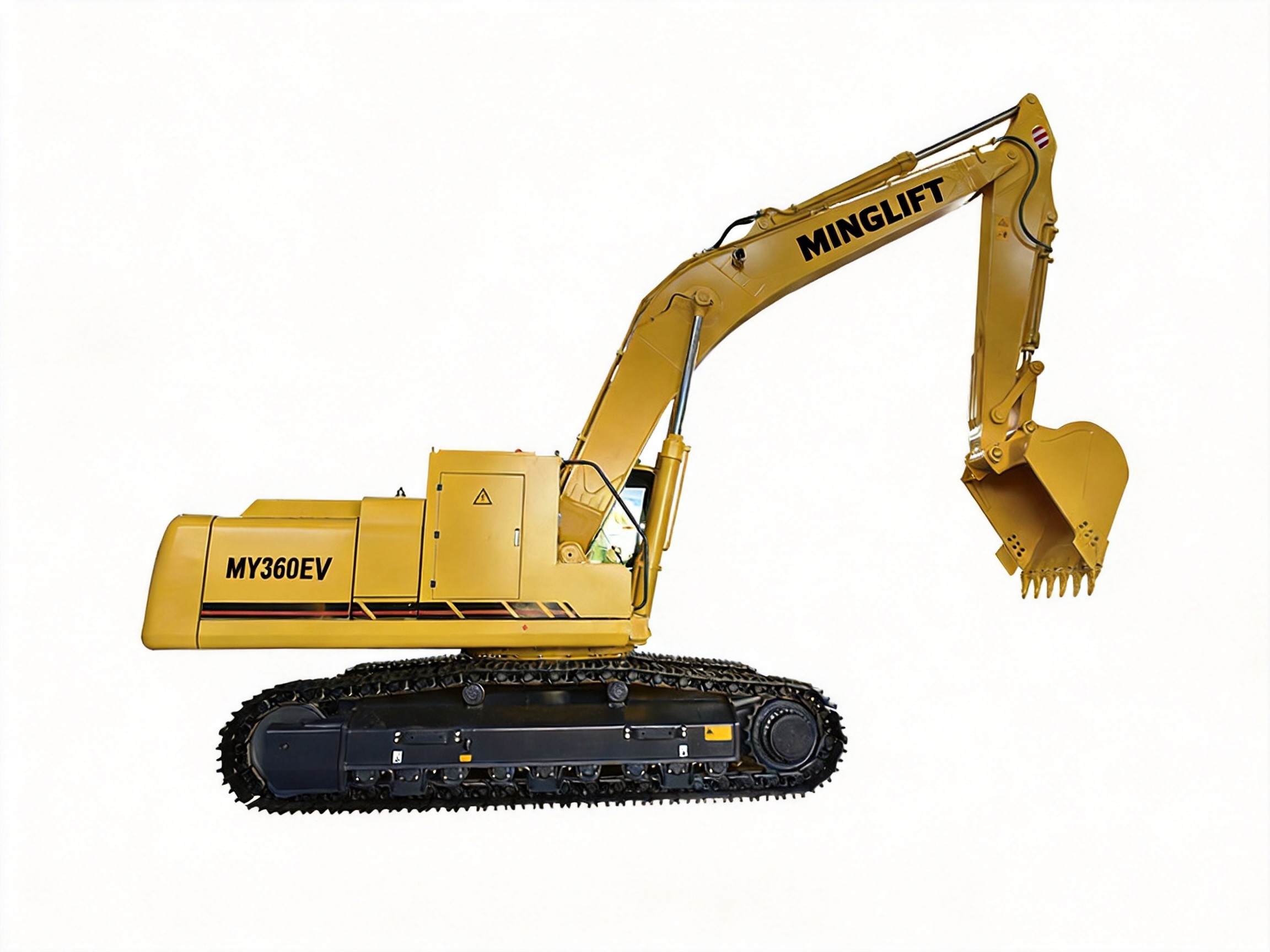
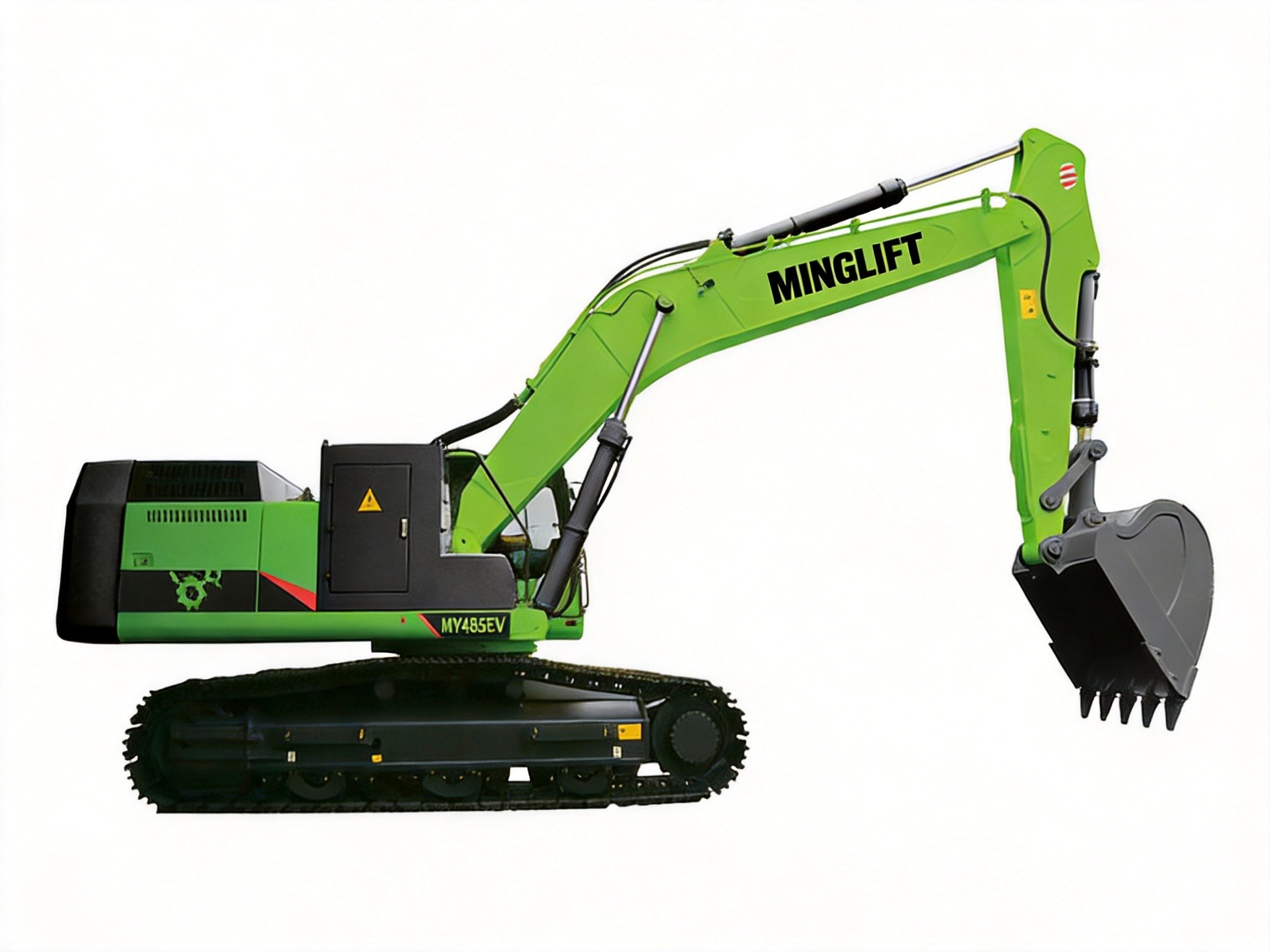
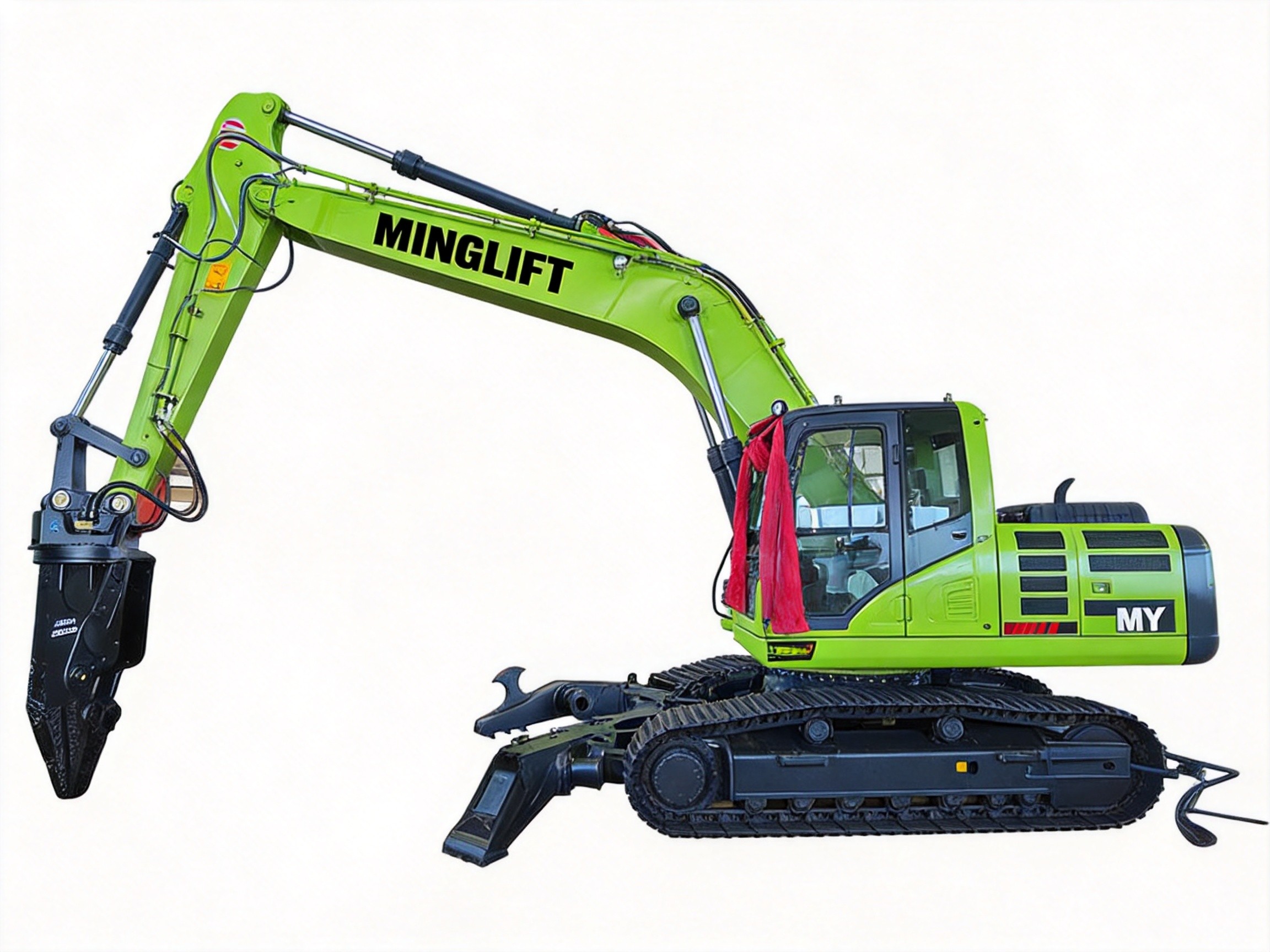
MINGLIFT Safety Features
All MINGLIFT excavators are equipped with comprehensive safety systems:
- ROPS/FOPS certified cabs: Protecting against roll-over and falling objects
- 360-degree camera systems: Providing complete visibility
- Proximity detection: Radar-based obstacle detection with audible and visual warnings
- Emergency stops: Multiple emergency shutdown locations
- Swing lock: Automatic swing lock when parking brake is engaged
- Load moment indicator: Prevents operation beyond safe working limits
- Falling object protection: Additional guarding for high-risk applications
Conclusion
Safety is not optional—it is the foundation of every successful excavator operation. By implementing rigorous safety protocols, providing comprehensive training, and maintaining a culture of safety awareness, you can protect your people and your investment.
Contact MINGLIFT for safety training programs, safety equipment options, and consultation on developing site-specific safety plans for your excavator operations.
Keywords: excavator safety, construction safety, excavator operation safety, mining safety, excavator safety training, MINGLIFT safety