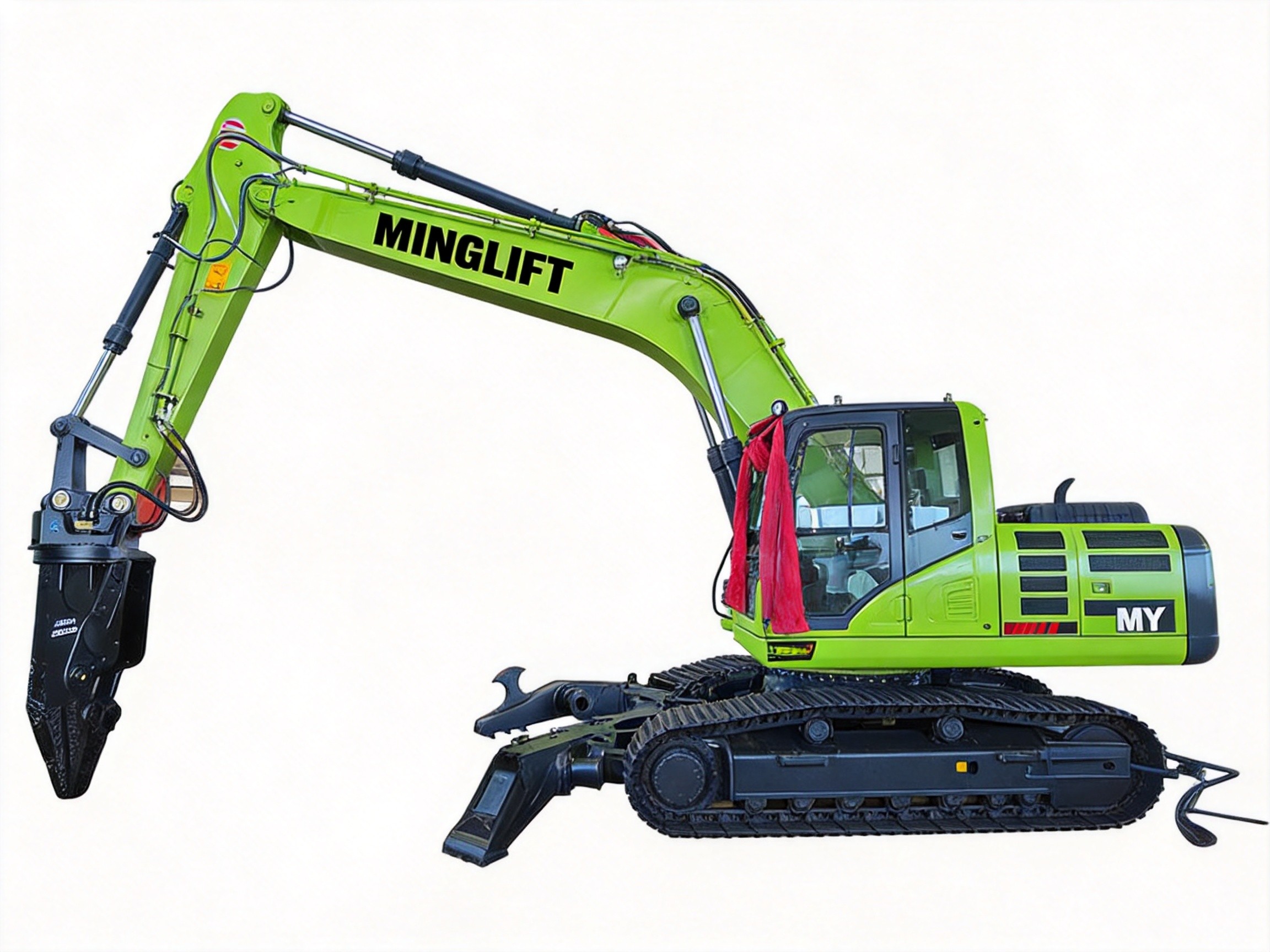
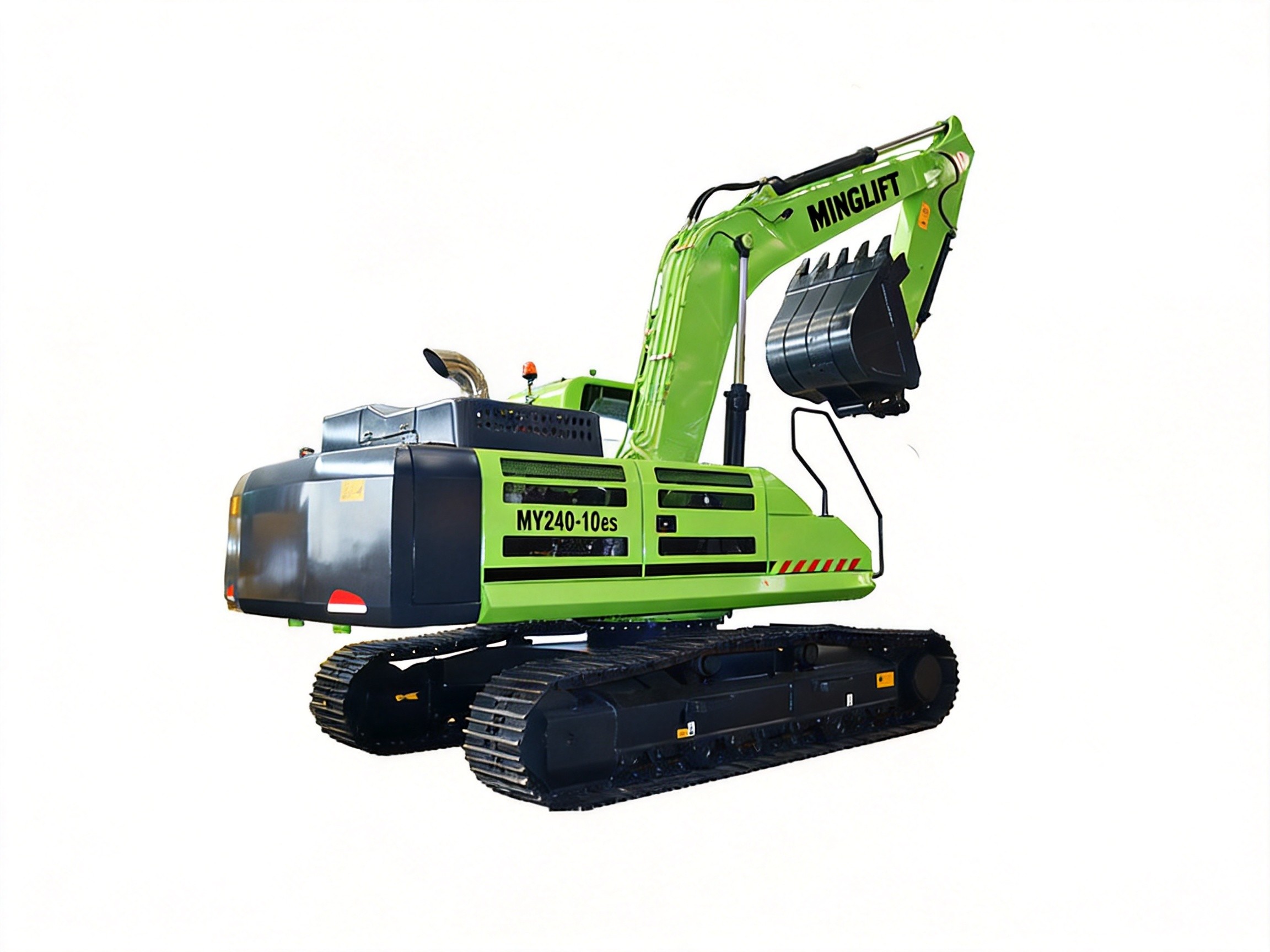
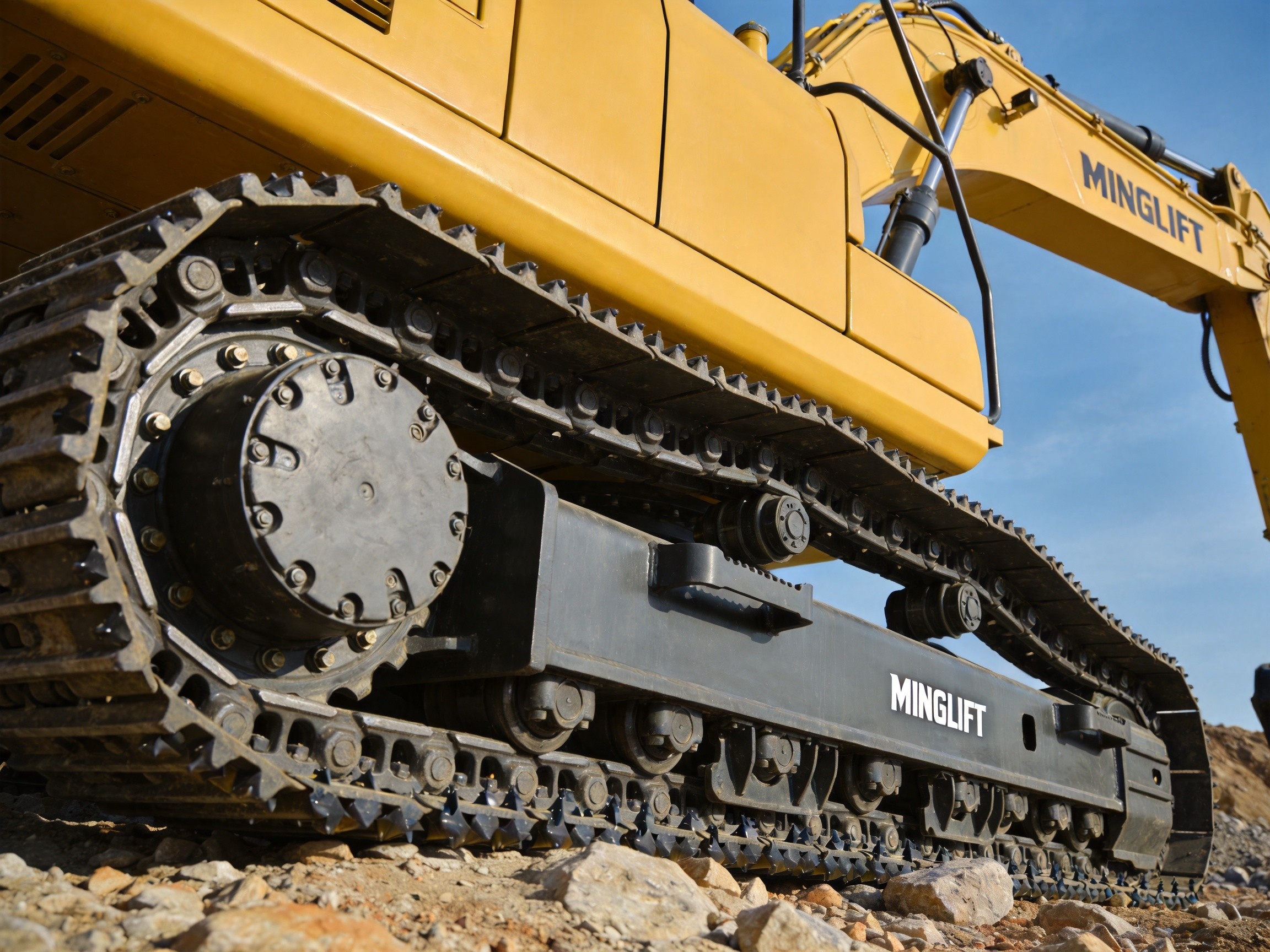
How to Choose the Right Excavator for Your Project
Selecting the perfect excavator requires careful consideration of multiple factors. Whether you're managing a large-scale mining operation, a commercial construction project, or a residential development, choosing the right machine can significantly impact your project's timeline, budget, and overall success.
Understanding Excavator Classes
Excavators are generally classified by their operating weight:
- Mini/Compact Excavators (1-6 tons): Ideal for residential construction, landscaping, utility work, and tight spaces. Easy to transport on standard trailers.
- Small Excavators (6-15 tons): Perfect for general construction, foundation work, and medium-duty trenching. Offer a good balance of power and maneuverability.
- Medium Excavators (15-35 tons): The workhorses of the construction industry. Versatile enough for most commercial projects while providing significant digging power.
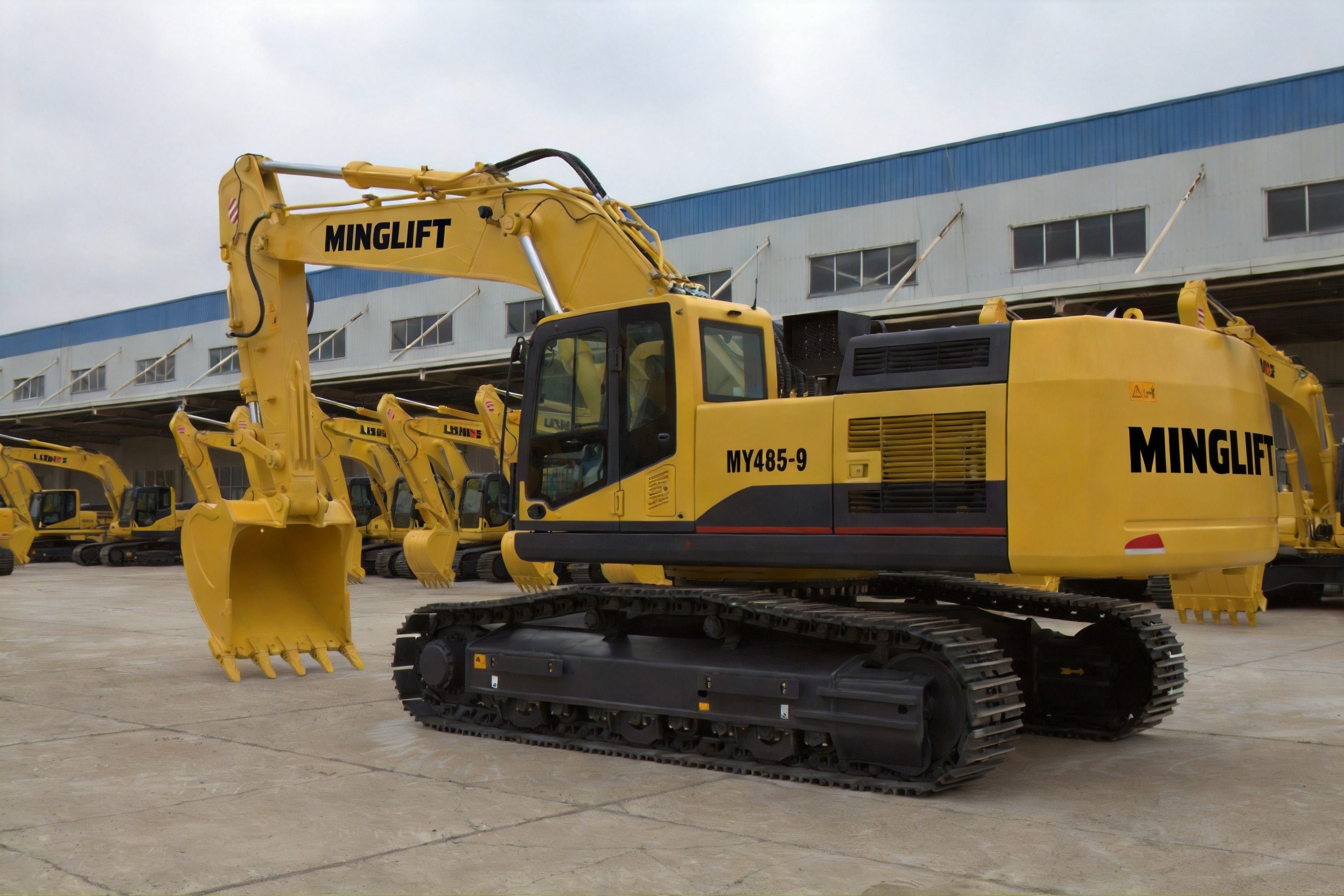
- Large Excavators (35-50 tons): Essential for major infrastructure projects, heavy earthmoving, and large-scale demolition.
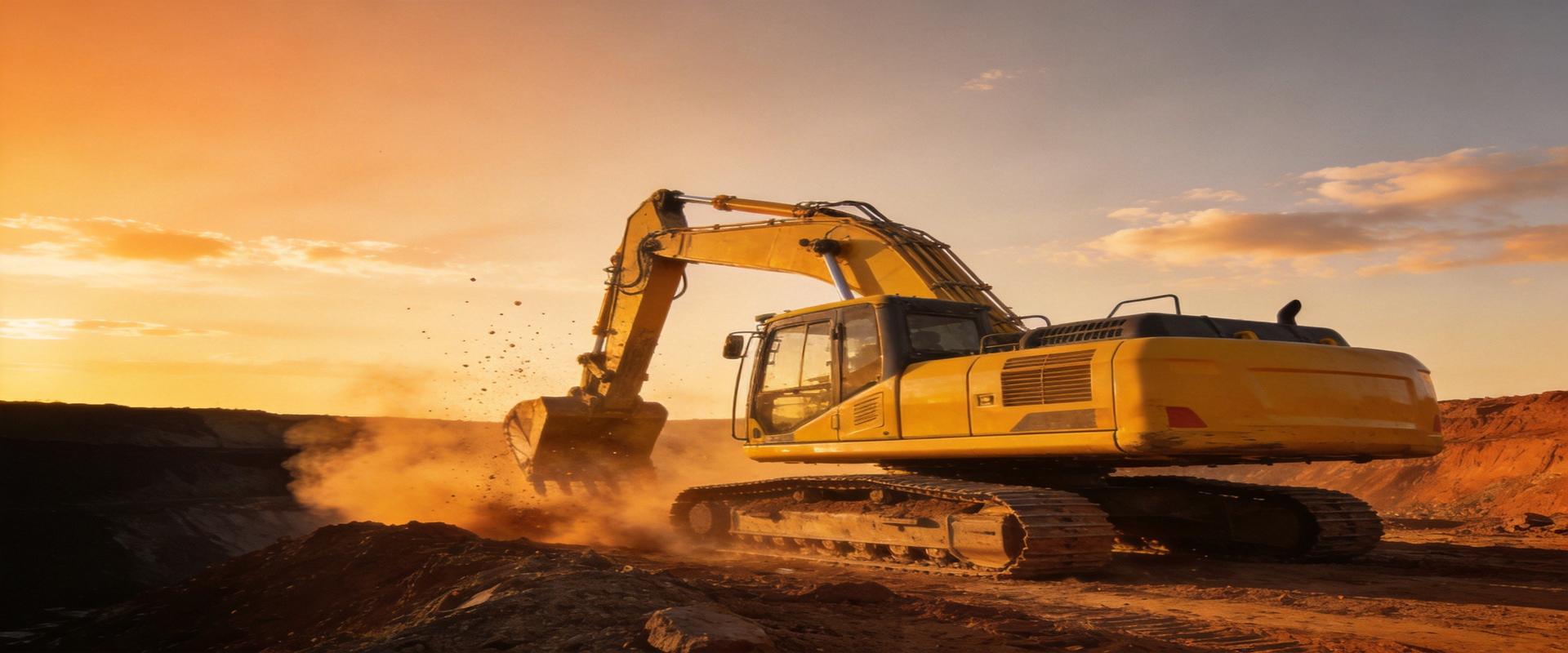
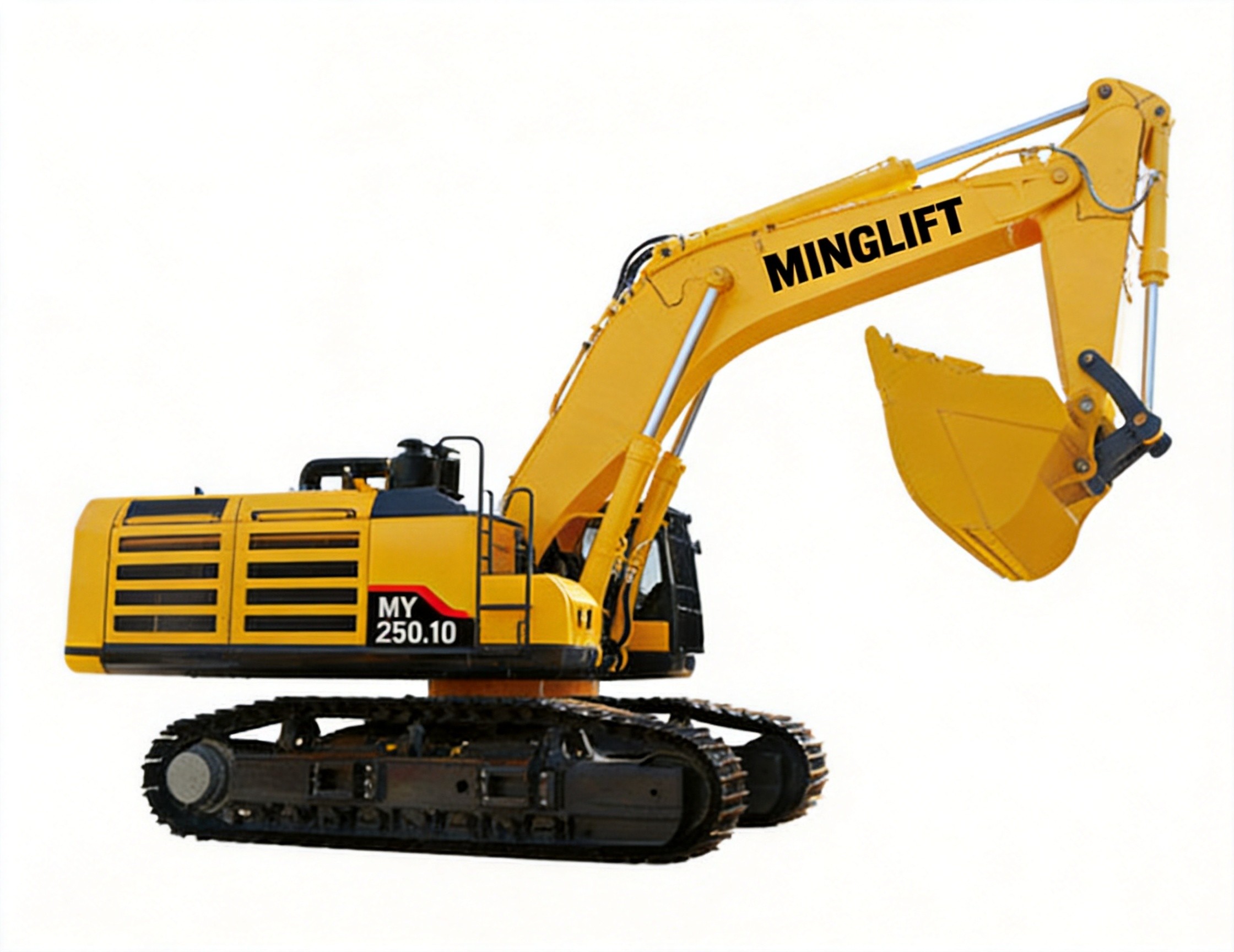
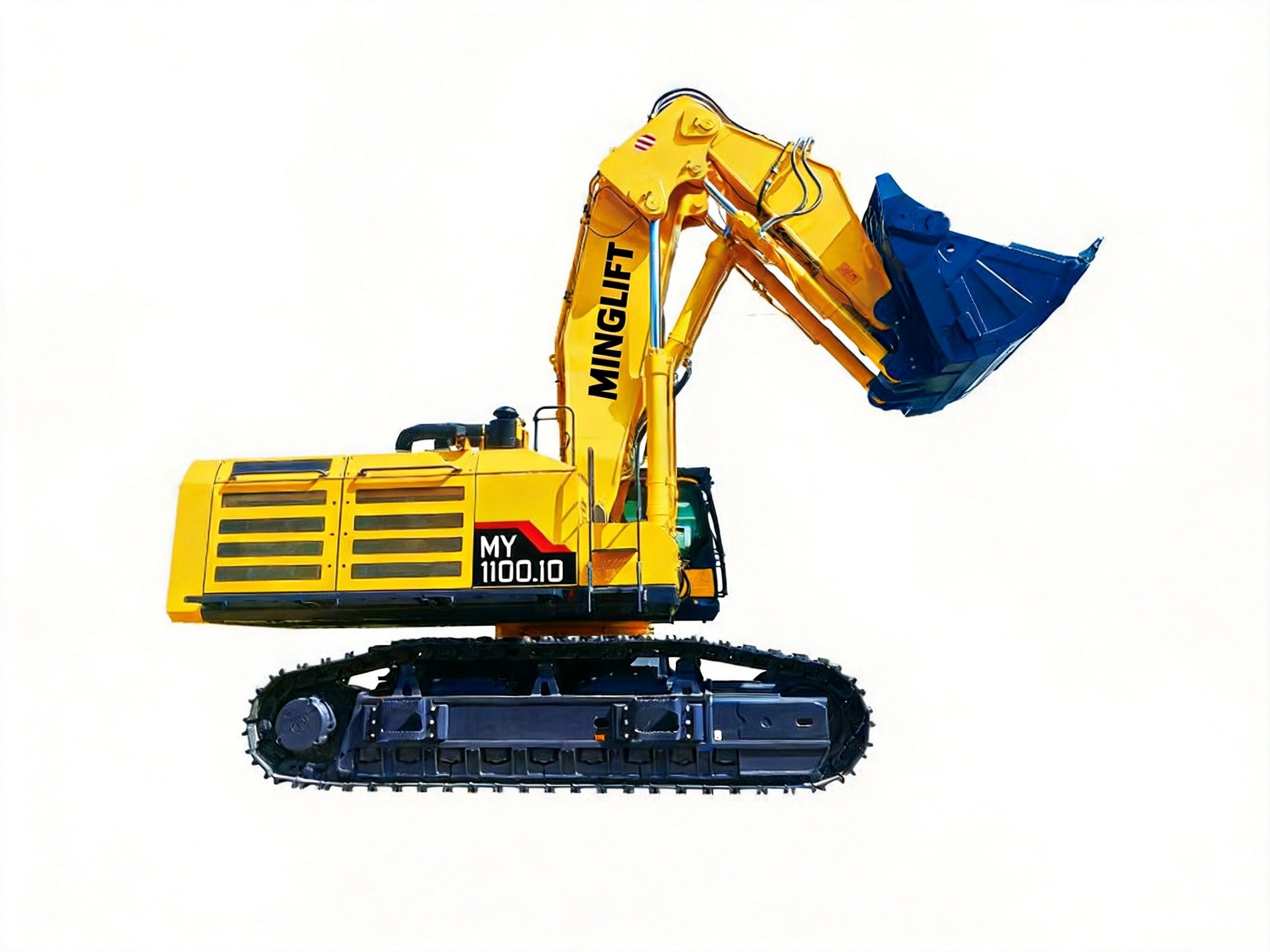
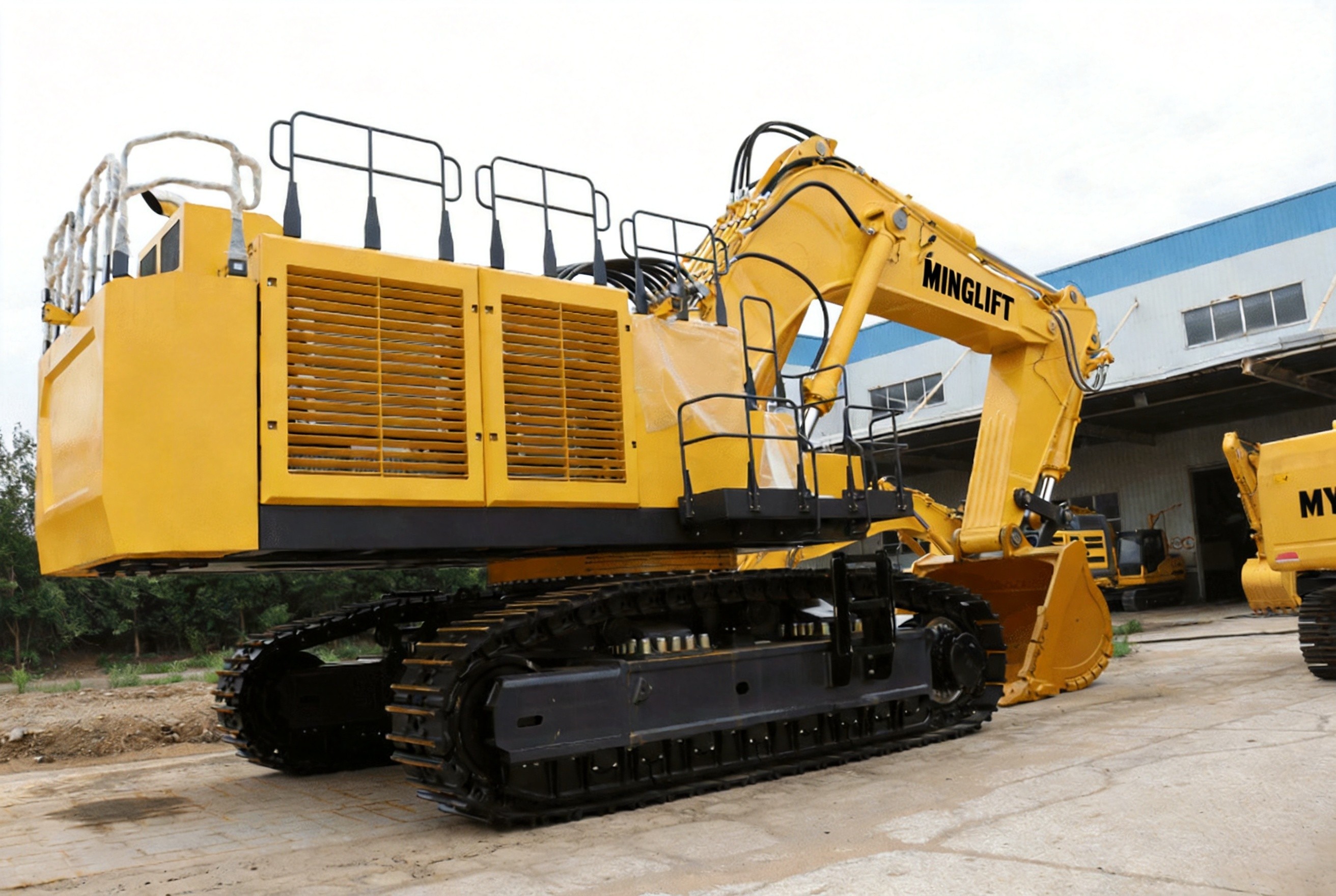
- Mining Excavators (50+ tons): Purpose-built for mining operations, quarry work, and extreme-duty applications requiring maximum digging force and bucket capacity.
Key Factors to Consider
1. Project Requirements
Before selecting an excavator, thoroughly analyze your project needs:
- Material type: Clay, rock, sand, and mixed soil all require different bucket configurations and digging forces
- Digging depth: Ensure the machine's maximum digging depth exceeds your requirements with some margin
- Reach requirements: Consider both digging reach and dumping height
- Lifting needs: If you need to lift pipes or other materials, check the machine's lift capacity charts
- Attachment compatibility: Consider whether you need quick couplers for buckets, breakers, grapples, or augers
2. Site Conditions
The physical environment where the excavator will operate plays a crucial role:
- Space constraints: Tight urban job sites may require compact or zero-tail-swing models
- Ground conditions: Soft or wet terrain may require wider tracks or specialized undercarriage configurations
- Altitude: High-altitude sites may require derated engines or electric alternatives
- Temperature extremes: Extreme cold or heat affects hydraulic performance and may require special fluid specifications
- Transport limitations: Consider road weight limits and whether the machine can be transported in a single load
3. Total Cost of Ownership
Look beyond the initial purchase price:
- Fuel efficiency: Modern excavators with advanced hydraulics can reduce fuel consumption by 15-25%
- Maintenance costs: Consider service interval lengths, parts availability, and ease of access for routine maintenance
- Resale value: Established brands with strong dealer networks typically hold value better
- Warranty coverage: Comprehensive warranties can significantly reduce ownership costs
- Operator productivity: Features like grade control, auto-idle, and work mode selection can improve daily output
4. Brand and Dealer Support
The quality of dealer support can be as important as the machine itself:
- Parts availability: Downtime is expensive—ensure parts are readily available in your region
- Service expertise: Technicians should be factory-trained on your specific model
- Rental availability: A dealer with a strong rental fleet can provide backup machines during major repairs
- Training programs: Operator and maintenance training maximize your equipment investment
MINGLIFT's Comprehensive Range
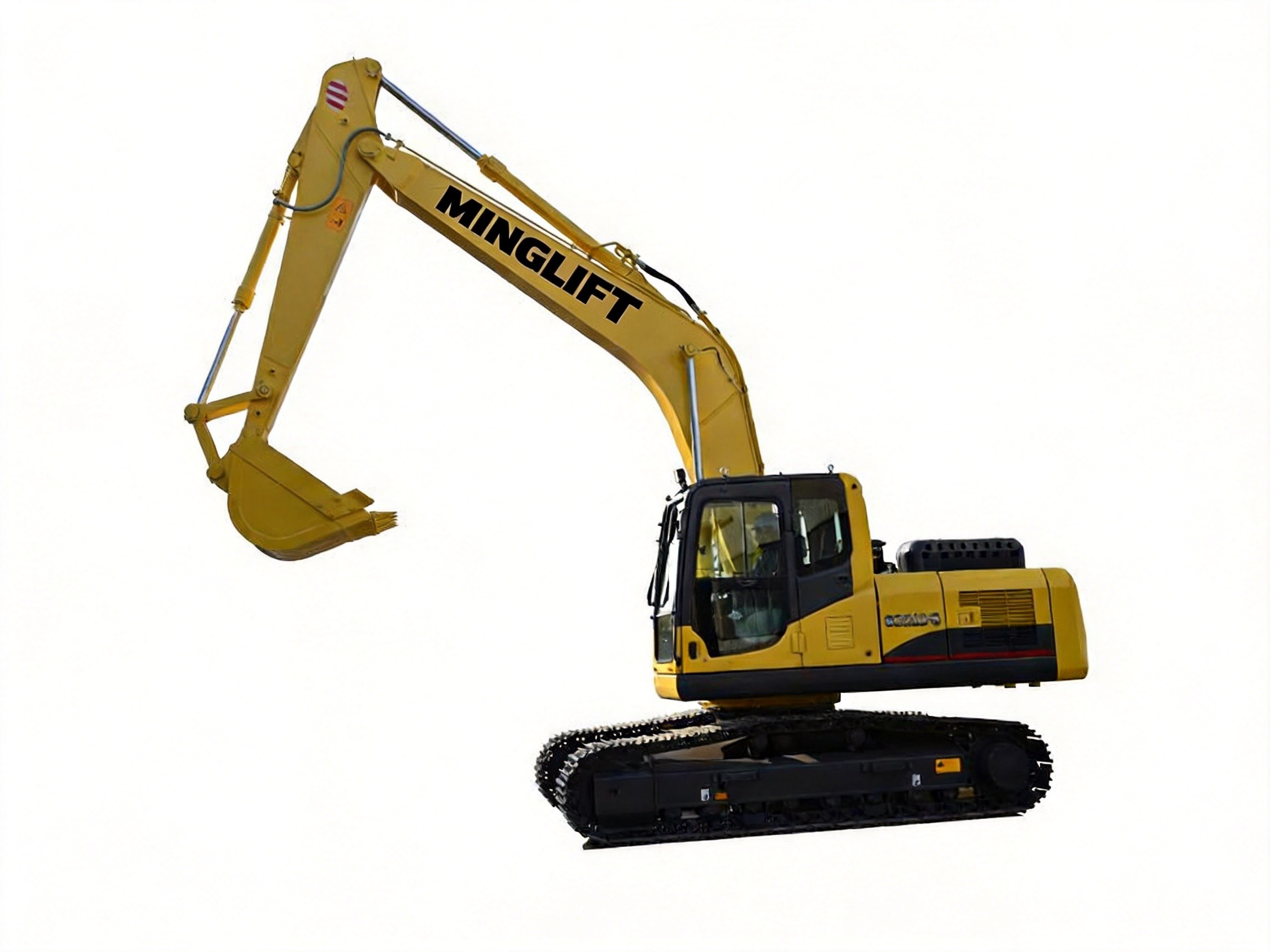
MINGLIFT offers excavators across all weight classes to match your specific needs:
| Model | Weight | Best For |
|-------|--------|----------|
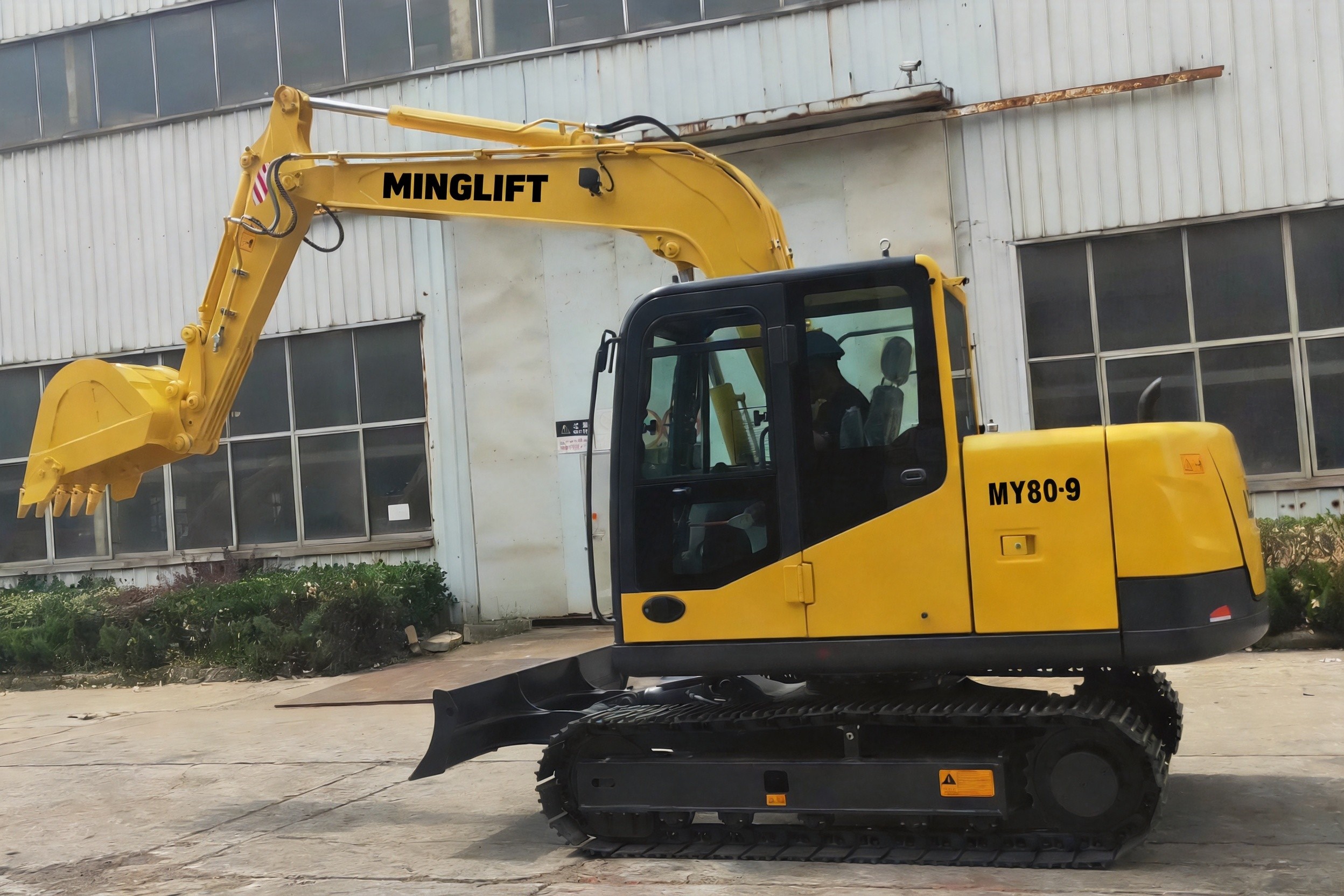
| MY80.9 | 8 tons | General construction, utilities |
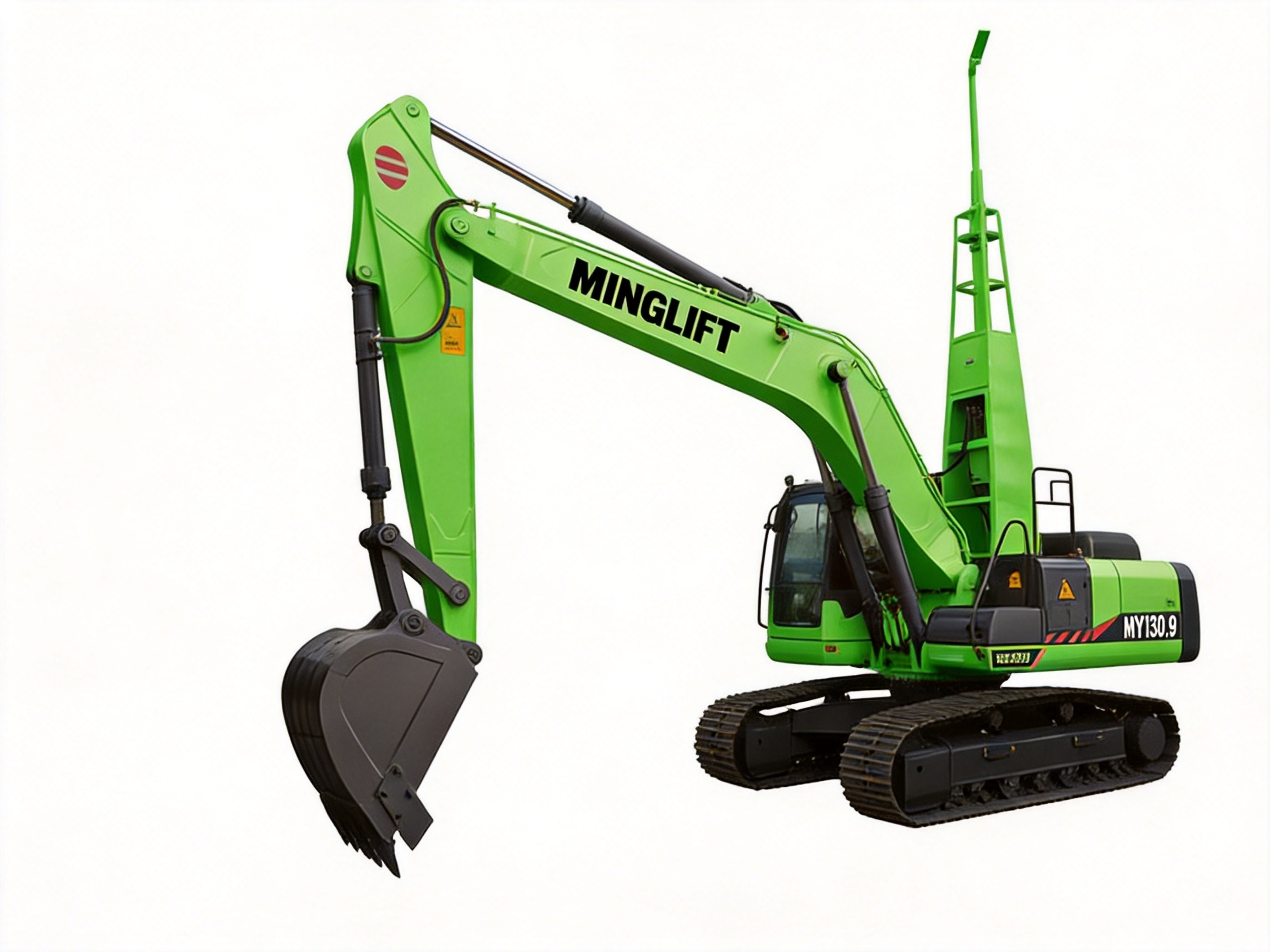
| MY130.8 | 13 tons | Commercial projects, foundation work |
| MY210.8 | 21 tons | Heavy construction, infrastructure |
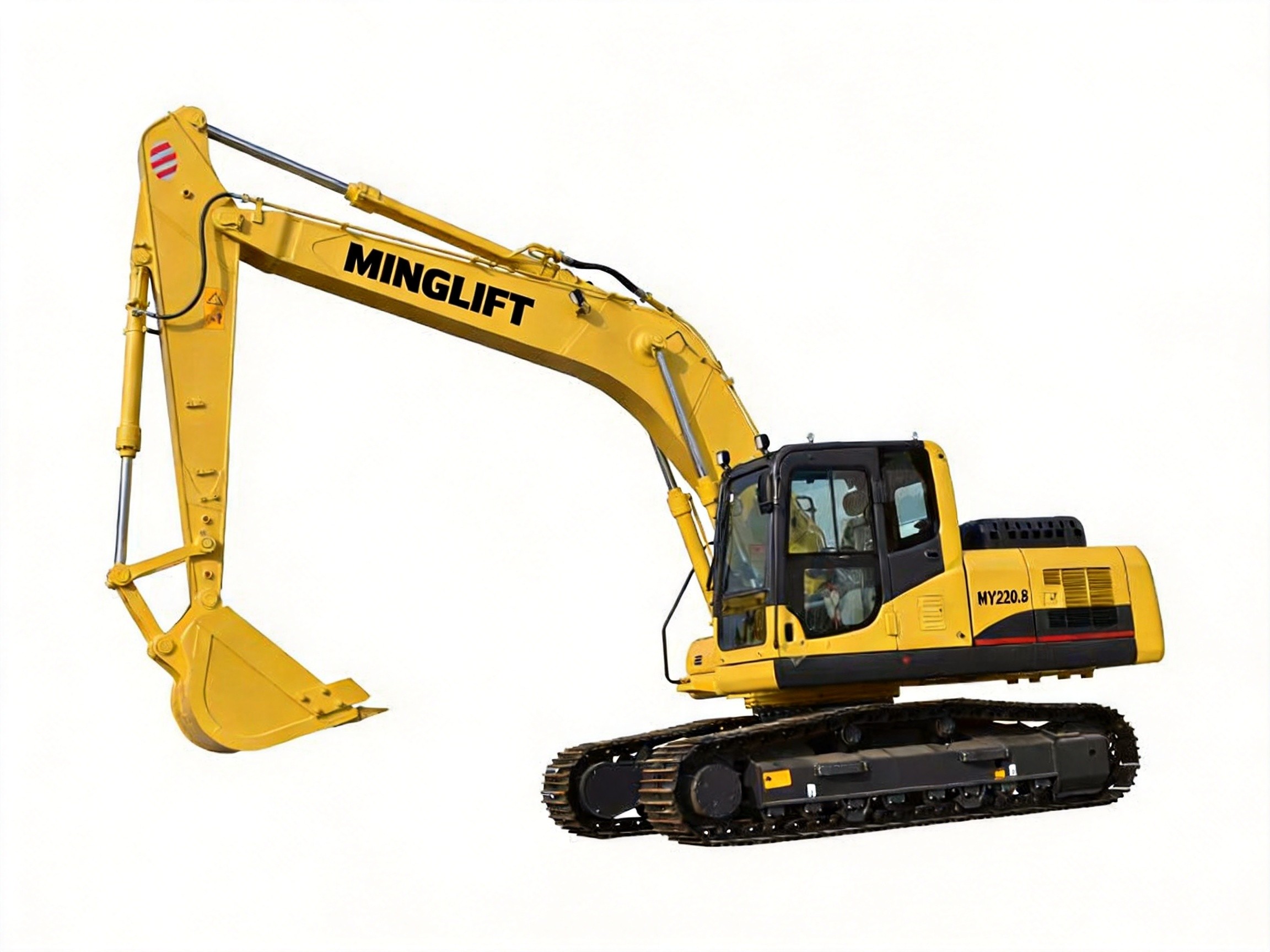
| MY220.8 | 22 tons | Large-scale earthmoving |
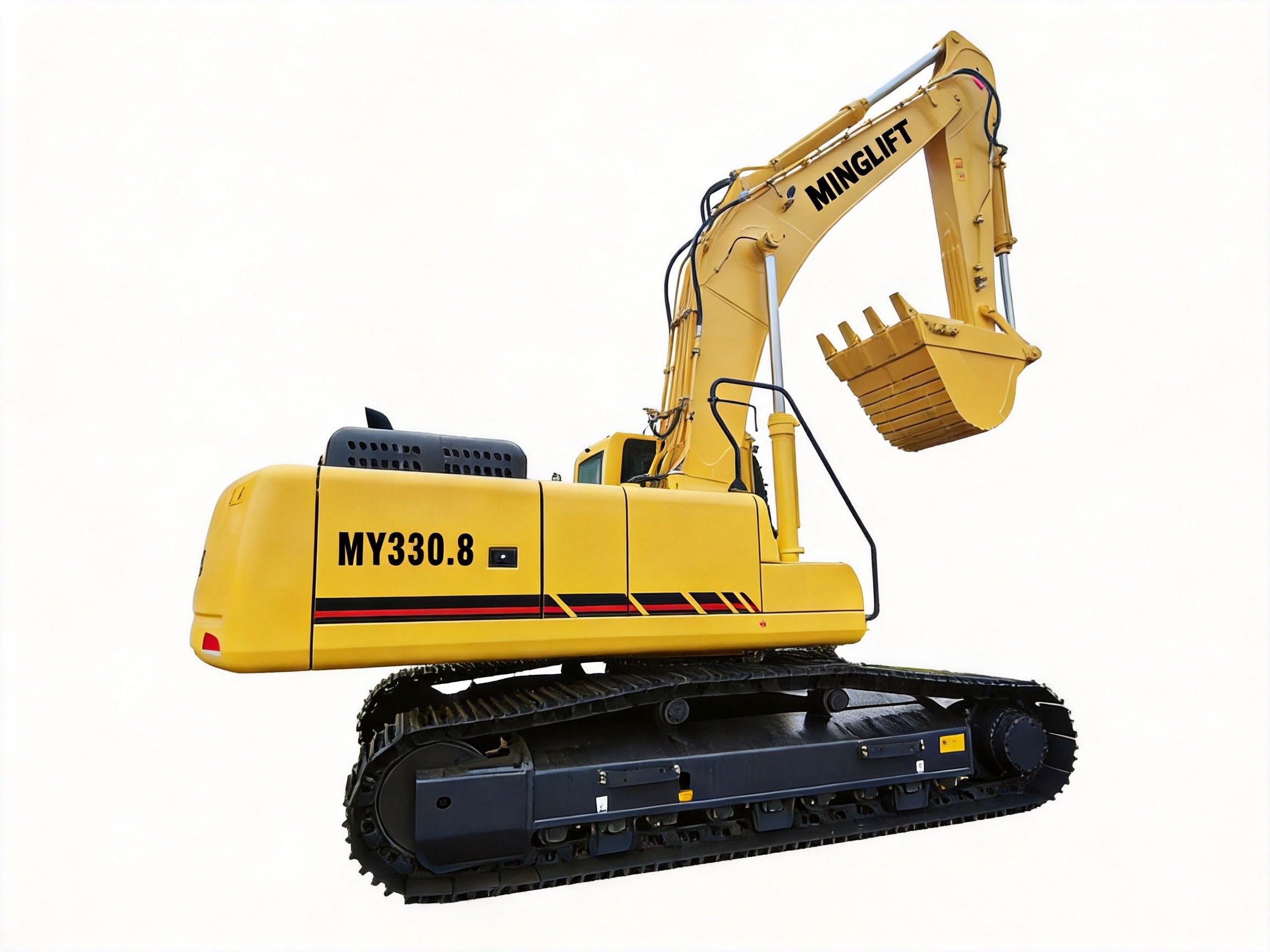
| MY360.8 | 36 tons | Major infrastructure, quarry work |
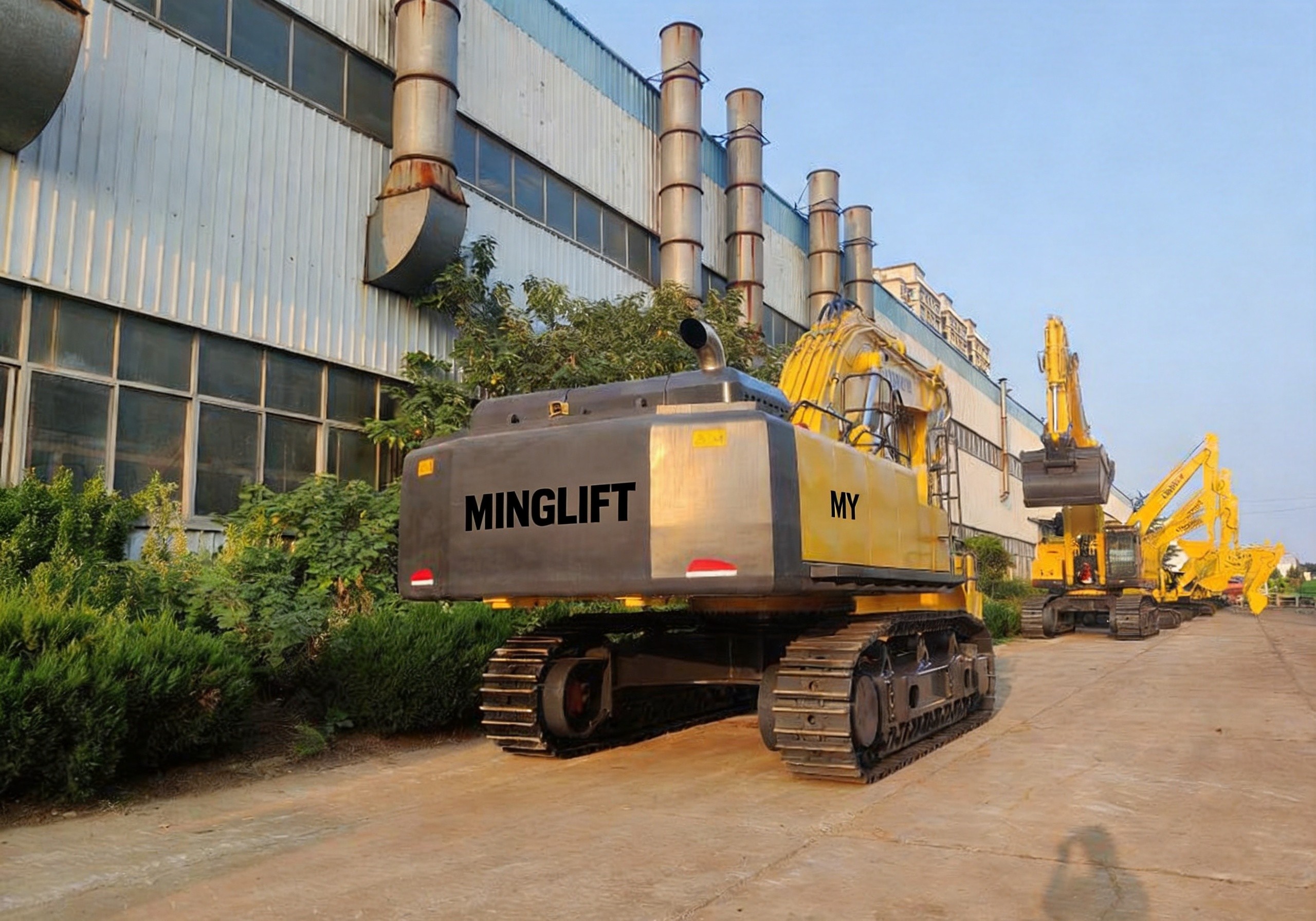
| MY750.10 | 75 tons | Mining, heavy quarry operations |
Making Your Decision
1. Define your primary application — What will the machine do 80% of the time?
2. Size appropriately — Bigger isn't always better; oversized machines waste fuel and reduce maneuverability
3. Evaluate technology — GPS grade control, telematics, and fuel-saving features pay for themselves
4. Test before buying — Request a demo to verify the machine meets your expectations
5. Calculate TCO — Model total cost of ownership over 5-7 years, not just purchase price
Conclusion
Choosing the right excavator is a strategic decision that affects your entire operation's efficiency. By carefully evaluating your project requirements, site conditions, and total cost of ownership, you can select a machine that delivers maximum value throughout its service life.
Contact MINGLIFT today to discuss your project requirements and get a personalized excavator recommendation from our experienced team.
Keywords: excavator buying guide, how to choose excavator, excavator size guide, construction equipment selection, MINGLIFT excavator